Why the Poodle Sits Second in Coren’s List
Many Poodle owners beam with pride when they hear their beloved companion is often ranked as the second most intelligent dog breed. Yet, sometimes that pride is mixed with a knowing sigh, because living with a super-smart dog isn't always a walk in the park! This guide is for every Poodle parent who has marveled at their dog's quick wit, perhaps been outsmarted by their furry genius, and wants to truly understand the depth of their Poodle's intelligence, as famously outlined by Dr. Stanley Coren.
Decoding Canine Intelligence: What Coren's Ranking Really Means
When we talk about "dog intelligence," it's not a single, simple concept. Just like humans, dogs display intelligence in various ways, and Dr. Stanley Coren's groundbreaking work helped us understand these nuances better. His ranking, which places the Poodle solidly at number two, isn't just about how quickly a dog learns "sit" or "stay." It delves into a broader spectrum of cognitive abilities.
It's easy to assume that "smartest dog" means a dog that can solve complex puzzles instantly or speak in full sentences (wouldn't that be something?). But Coren's research, primarily detailed in his book The Intelligence of Dogs, broke down canine intelligence into distinct categories, which really helps paint a fuller picture of what makes a Poodle so exceptional.
The Three Types of Dog Intelligence
Coren categorized dog intelligence into three main components: Instinctive Intelligence, Adaptive Intelligence, and Working & Obedience Intelligence. Understanding these distinctions is key to appreciating why the Poodle shines so brightly in his hierarchy.
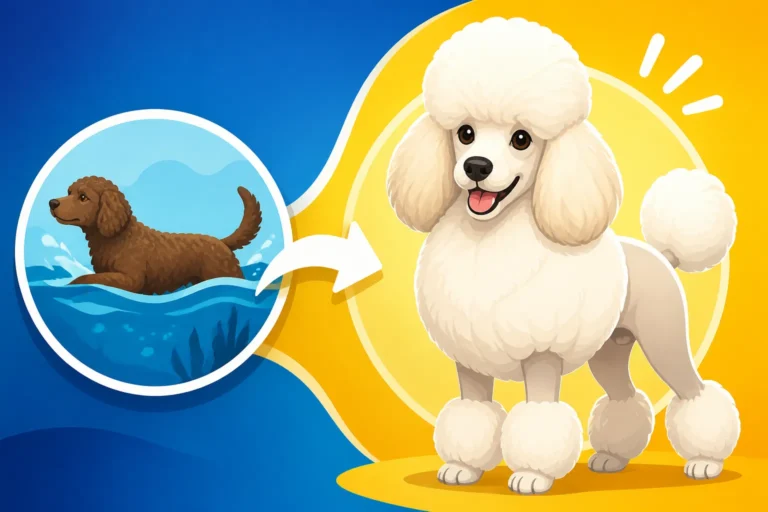
- Instinctive Intelligence: This refers to the specific talents a dog was bred for. Think about a Border Collie's innate ability to herd, a Labrador Retriever's drive to fetch, or a Bloodhound's incredible scenting capabilities. These aren't learned behaviors in the traditional sense; they're hardwired into the breed's DNA, passed down through generations for a specific purpose. For Poodles, their original purpose as water retrievers means they have strong instincts for fetching, swimming, and working closely with a handler in challenging environments.
- Adaptive Intelligence: This is all about a dog's ability to learn and solve problems on their own. It's the independent smarts, the "street smarts" if you will. This includes figuring out how to open a gate, unwrapping a new puzzle toy, or even devising a clever strategy to get an extra treat from the counter. It's about learning from experience, adapting to new situations, and using trial and error. This is where you see a Poodle truly thinking and strategizing.
- Working & Obedience Intelligence: This is the category Coren focused on most heavily for his famous ranking, and it's where the Poodle really excels. It measures how quickly a dog learns new commands from humans and how consistently they obey those commands. It's about trainability, responsiveness to instruction, and the desire to cooperate. This isn't just about being able to perform a trick; it's about understanding the command, remembering it, and executing it reliably, even when distractions are present.
How Coren Conducted His Study
You might wonder how Coren possibly ranked hundreds of breeds. Did he test them all in a lab? Not quite. His methodology was brilliantly practical, gathering data from the experts who work with dogs day in and day out: professional obedience judges and trainers.
He surveyed hundreds of these professionals, asking them to rate breeds based on two key criteria:
- Number of repetitions required to understand a new command: How many times did a dog typically need to hear and practice a new command before they understood what was being asked of them?
- Success rate of obeying a known command on the first try: Once a command was learned, how often would the dog respond correctly to that command on the very first attempt, without hesitation or needing a repeat?
The results were tabulated, and the breeds were ranked. The Poodle consistently scored incredibly high in both categories, cementing its place at number two, right behind the Border Collie. This method, while perhaps not a scientific laboratory experiment, leveraged the vast collective experience of thousands of hours spent training dogs, giving a very real-world assessment of What Coren Measured to Rank the Poodle.
The Poodle's Natural Aptitude for Working and Obedience
It's one thing to read about Coren's criteria, and another to see it in action with a Poodle. Their inherent traits perfectly align with what makes a dog excel in working and obedience intelligence. Poodles aren't just intelligent; they're often eager to demonstrate that intelligence, which is a powerful combination for trainability.
Rapid Learning and Retention
One of the most striking characteristics of a Poodle is how quickly they grasp new concepts. It's almost uncanny. Where some breeds might need dozens of repetitions, a Poodle often understands a new cue in just a handful. This isn't an exaggeration; it's a widely observed phenomenon among trainers and owners alike.
Think about teaching a new trick, like "weave" through your legs. For many dogs, this requires breaking it down into tiny steps, luring, and repeating. A Poodle, however, will often make the connection between the lure, the movement, and the verbal cue in perhaps five or six tries. This rapid acquisition means that Why Poodles Learn a Cue in Five Repetitions isn't just a fun fact; it's a testament to their cognitive efficiency. They don't just mimic; they process and understand the connection between action and reward remarkably fast. This quick learning also means they can build an extensive vocabulary of commands and tricks throughout their lives, making them incredibly versatile companions for various activities.
Eagerness to Please and Focus
Beyond just being smart, Poodles possess a unique combination of traits that make them exceptionally trainable: a profound eagerness to please their humans and an impressive ability to focus. This isn't just about being "good dogs"; it's about their inherent desire to interact, cooperate, and succeed in joint tasks.
Poodles form strong bonds with their families and often thrive on positive interaction and praise. This desire for connection makes them highly motivated to respond to commands, as they see it as a way to engage with and please their favorite people. They're not just doing it for the treat (though treats certainly help!); they're doing it for the connection and the positive feedback.
Furthermore, Poodles can exhibit remarkable focus, especially when engaged in an activity they enjoy. Whether it's a training session, a game of fetch, or practicing for a dog sport, they can often block out distractions and concentrate on the task at hand. This isn't to say every Poodle ignores a squirrel or a passing dog, but their baseline ability to remain engaged with their handler is a huge advantage in training. This intense focus, coupled with their intelligence, allows them to master complex sequences and perform with precision, which is crucial for advanced obedience or agility.
Beyond Obedience: Poodle's Adaptive and Instinctive Brains
While Coren's ranking heavily weighs working and obedience intelligence, it's important to remember that Poodles also excel in the other two categories: adaptive and instinctive intelligence. These aspects round out their complete cognitive profile, making them not just trainable, but truly intelligent in a holistic sense.
Problem-Solving Poodles and Adaptive Intelligence
Poodles aren't just good at following instructions; they're excellent at figuring things out for themselves. This is where their adaptive intelligence truly shines. Many Poodle owners can recount tales of their dogs outsmarting them, whether it's opening a child-proof gate, figuring out a complex puzzle feeder in minutes, or even strategically moving furniture to get to a forbidden treat.
My Standard Poodle, Winston, once learned to open the pantry door by jumping up and twisting the knob. It wasn't something I taught him; he observed, experimented, and figured it out on his own after noticing where the treats came from! This kind of independent problem-solving can be both impressive and, occasionally, a bit frustrating when it works against your household rules. This capacity for creative solutions demonstrates What a Poodle Solves a Problem. If a Poodle gets bored, they're not content to just lie there; they'll find something to do, and it might not be what you had in mind. That's Why a Bright Poodle Gets Bored and needs constant mental engagement. You might find a clever Poodle opening cabinets or even turning on faucets if left to their own devices too often.
The Hunting Dog Instinct
It’s easy to forget that beneath all that fancy hair, the Poodle is a robust, athletic hunting dog, originally bred to retrieve waterfowl from icy European lakes. The name "Poodle" itself comes from the German word "Pudel," meaning "to splash in water." This heritage speaks volumes about their instinctive intelligence.
This isn't a fluffy companion animal bred solely for looks; Poodles were working dogs, requiring intelligence, strength, and resilience. Their powerful retrieving drive means they naturally want to carry things, fetch, and interact with objects. You might notice your Poodle loves bringing you specific toys, or even the mail, without explicit training. This is their The Poodle's Retrieving Instinct coming to the surface. Their strong swimming abilities are another nod to their past, as many Poodles take to water with an almost inherent joy and confidence. These instincts are still very much alive in modern Poodles, regardless of their size or whether they ever see a hunting blind. They carry within them the ancient wisdom of their working ancestors.
Living with a High-Intelligence Poodle
So, you have a Poodle, and now you understand why they're considered so intelligent. But what does that mean for daily life? Owning a highly intelligent dog is a unique experience, full of rewards, but also with its own set of challenges. It's not always easy, but it's certainly never dull!
The Double-Edged Sword of Smart Dogs
While Poodle intelligence is a wonderful trait, it can also be a double-edged sword. A smart dog is a dog that needs a job, a purpose, or at the very least, consistent mental engagement. If a Poodle's brilliant mind isn't channeled into productive activities, they can become bored, and a bored Poodle is often a mischievous Poodle.
They might develop destructive habits, excessive barking, or even anxiety if they don't have enough to do. They can become masters of counter-surfing, escape artists, or architects of elaborate schemes to get your attention (or your sandwich). This isn't malice; it's simply a highly intelligent creature seeking stimulation. Why Intelligence Makes a Poodle Harder to Live With is a common lament from owners who underestimated the need for mental exercise. They don't just need a walk; they need to think. This might manifest as them learning to open cabinets or turning on the water faucet if left without enough to do. Many Poodle owners quickly realize that What a Poodle Does When Its Brain Is Idle often involves inventing "fun" activities that might not align with household rules.
Providing Sufficient Mental Stimulation
The key to a happy, well-adjusted, and manageable Poodle is to provide consistent and varied mental stimulation. This goes beyond physical exercise; it's about engaging their sharp minds daily. Think of it as intellectual workouts for your dog.
Here are some ways to keep your Poodle's brain buzzing:
- Obedience and Trick Training: Poodles thrive on learning. Regular, short training sessions (even just 10-15 minutes a day) where you teach new commands or polish existing ones can be incredibly fulfilling for them. Training a Poodle That Outthinks You means you need to stay one step ahead, making training dynamic and engaging.
- Puzzle Toys and Interactive Feeders: Ditch the plain bowl for at least one meal a day. Puzzle toys, snuffle mats, and slow feeders make your Poodle work for their food, turning mealtime into a mental game. Brands like Chewy offer a fantastic selection of these, from beginner level to advanced, ensuring you can find something that challenges your Poodle.
- Dog Sports: Poodles excel in a wide array of dog sports, thanks to their intelligence, athleticism, and eagerness to work. Consider options like agility, obedience, rally, dock diving, or even tracking and scent work. These activities provide both physical and mental exercise, and a strong bond with you. Dog Sports a Poodle Excels At are many and varied, so you're bound to find one that suits both of you.
- Scent Games: Capitalize on their natural hunting instincts with scent work. Hide treats or their favorite toy and have them sniff it out. This is a low-impact, high-reward activity that engages their brain and their nose. Scent Games That Stretch a Poodle's Mind are easy to set up at home and incredibly tiring for them.
- "Jobs" Around the House: Give your Poodle simple tasks, like helping you "carry" the mail (a soft toy in their mouth, perhaps?), or finding specific items. Even fetching your slippers on cue can be a rewarding mental exercise for them.
By understanding the unique intelligence of your Poodle and proactively providing appropriate mental outlets, you'll find yourself with a contented, well-behaved companion who continually amazes you with their smarts. Just remember, a Poodle’s brain is a muscle that needs exercising, just like their body!
| Type of Intelligence | Description | Poodle Example |
|---|---|---|
| Instinctive Intelligence | Innate ability to perform tasks the breed was bred for. | Natural retrieving of thrown objects; love for swimming and water; alert and observant demeanor. |
| Adaptive Intelligence | Ability to learn from experience, solve problems, and adapt to situations. | Figuring out how to open a gate or unwrap a complex puzzle toy; strategizing to get attention. |
| Working & Obedience Intelligence | How quickly a dog learns commands and consistently obeys them. | Rapidly learning new cues (often in <5 repetitions); high success rate in responding to commands. |
Disclaimer
This article is for general informational purposes only and does not constitute professional advice. Laws, prices and regulations vary by location and change over time. Consult a qualified professional for guidance on your specific situation.