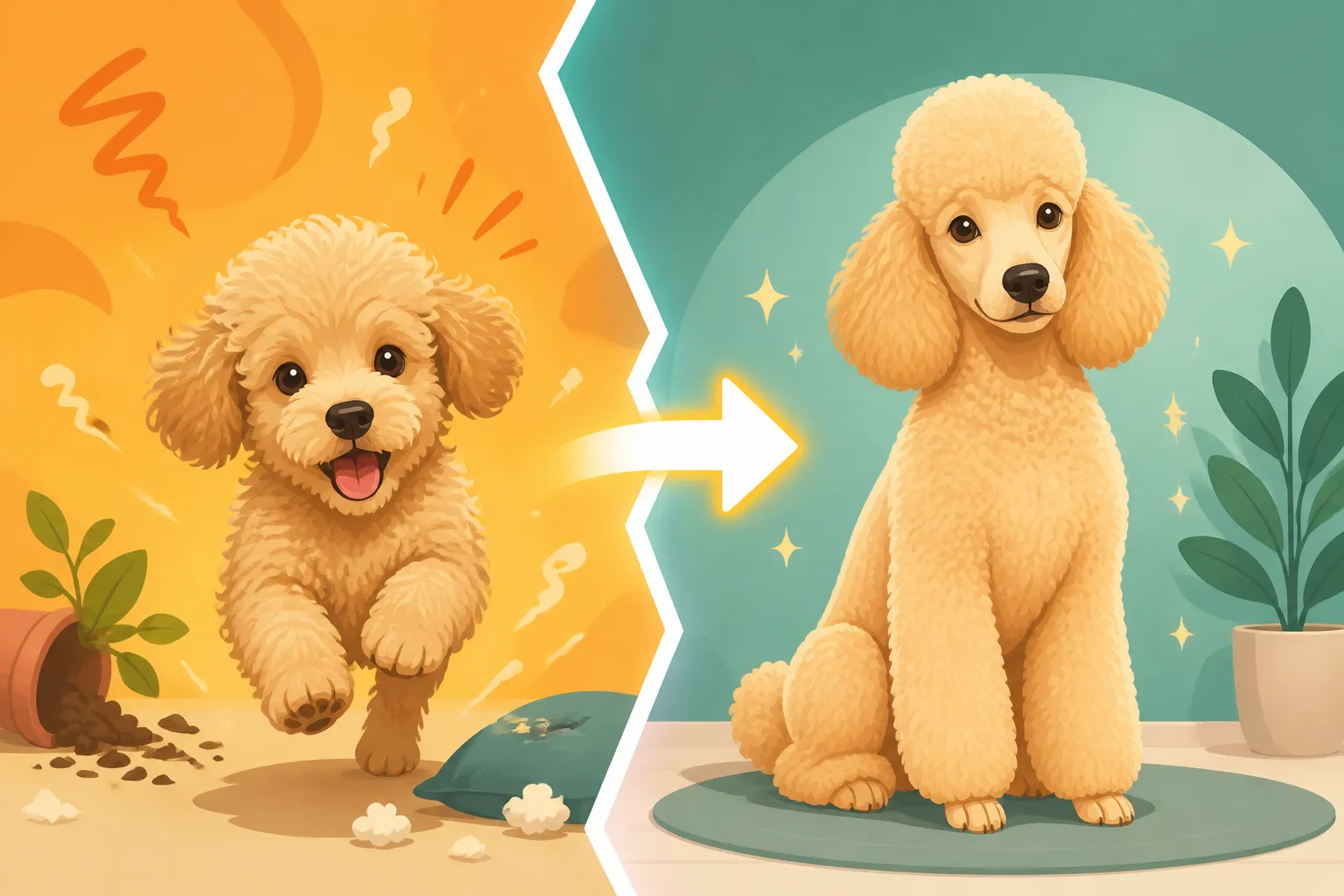
When a Poodle’s Adolescence Ends
It can feel like you've brought home a clever, charming puppy, only for it to transform into a furry, rebellious teenager overnight. Many Poodle owners find themselves bewildered by sudden lapses in training, bursts of boundless energy, and an independent streak that seems to come out of nowhere. This guide will delve into the complexities of Poodle adolescence, helping you understand when this challenging but ultimately rewarding phase typically concludes and what to expect along the way.
Understanding Poodle Adolescence: More Than Just a Growth Spurt
Poodle adolescence isn't just about physical growth; it's a complex developmental stage where your dog is experiencing profound hormonal shifts, brain development, and a push for independence. It's often the period where owners scratch their heads, wondering what happened to their perfectly behaved puppy. Think of it as the canine equivalent of human teenagers, complete with mood swings, boundary-testing, and an often-baffling mix of clinginess and aloofness.
The Physical Markers of Adolescent Poodles
While Poodles mature physically at different rates depending on their size, the adolescent period generally begins when they start to resemble their adult form, but their behavior is still very much that of a juvenile. For a Toy Poodle, this might mean they've hit most of their adult height and weight by 6-8 months, but a Standard Poodle might still be growing well into their second year. During this time, you'll see them fill out, gaining muscle mass, and their coat will undergo significant changes, often thickening and becoming more prone to matting as the puppy coat transitions to the adult one. This physical development often precedes the full emotional and mental maturity.
It's common for Poodle owners to notice that their lanky, gangly puppy starts to "even out" during this stage. Legs that seemed too long suddenly fit their body, and their chests broaden. However, even if they look like miniature adults, their internal world is still in flux. This mismatch between looking grown-up and acting like a kid can be a significant source of frustration for owners who expect adult behavior from an adult-sized dog. You might find yourself saying, "You're too big for that!" even though their brain is still playing catch-up. For more on how their size affects their development, you might find When a Standard Poodle Stops Growing helpful.
The Brain's Role in Adolescent Behavior
The real driver of adolescent Poodle behavior lies in their developing brain. Just like in human teenagers, the frontal lobe – responsible for impulse control, planning, and decision-making – is still very much under construction. This means your Poodle might know the "stay" command perfectly in a quiet living room, but completely blow you off when a squirrel darts across the park. Their ability to regulate emotions is also immature, leading to heightened reactions to stimuli that they might have calmly ignored as a young puppy.
This developmental stage can manifest as sudden bursts of energy, sometimes called "zoomies," where they seem to forget all their manners and just run wild. It can also lead to increased boldness, where they might try to explore new things or challenge boundaries they previously accepted. Poodles, being highly intelligent, might even use their smarts to test how far they can push you. This isn't defiance for the sake of it, but rather a normal part of their brain figuring out the world and their place in it. Understanding that their brain isn't fully formed can help you approach these challenging behaviors with more patience and consistency.
Behavioral Shifts During Poodle Adolescence
Adolescence is a time of considerable behavioral upheaval for many Poodles. The sweet, compliant puppy can suddenly seem to develop selective hearing, an endless appetite for mischief, and a newfound disregard for household rules. These shifts are normal, but they can be incredibly frustrating if you're not prepared.
The Rebellious Phase and Training Regressions
One of the most common and disheartening aspects of Poodle adolescence is the sudden onset of training regressions. Your Poodle who was once perfectly house-trained might have an accident indoors. Their recall, which was rock-solid, might suddenly vanish the moment something more interesting appears. This isn't because they've forgotten their training; rather, it's due to those developing brains and surging hormones overriding their learned behaviors. They're more easily distracted, more impulsive, and more keen to explore their independence.
During this phase, it's crucial not to punish your Poodle for these "failures," as it can damage your relationship and make them fearful. Instead, go back to basics. Revisit puppy training fundamentals, practice commands in less distracting environments, and gradually increase the challenge. Use high-value treats and praise to reinforce desired behaviors. Consistency is your best friend here. If you're struggling with specific training aspects, our article Training the Second Smartest Dog Breed offers some excellent insights into working with a Poodle's keen mind. Sometimes, it feels like they are deliberately ignoring you, but often, they are simply overwhelmed by their own developing senses and urges.
Increased Energy and Chewing Habits
Poodle adolescents often seem to have an inexhaustible supply of energy. While Poodles of all sizes need regular exercise, a teenage Poodle might demand even more physical and mental stimulation to stay out of trouble. Without sufficient outlets, that energy can quickly turn into destructive behaviors like excessive chewing, digging, or relentless barking. This isn't just a physical need; their brains are also craving engagement.
You might find yourself needing to increase walk times, introduce new games, or explore dog sports like agility or obedience. Puzzle toys and interactive feeders can also be a lifesaver, keeping their intelligent minds occupied. If your Poodle has developed a penchant for chewing on inappropriate items, make sure they have a wide variety of appropriate chew toys. You can find many durable options for different Poodle sizes, from tough rubber toys to mental stimulation puzzles, available on platforms like Chewy. Providing these outlets proactively can save your furniture and your sanity.
Social Dynamics and Boundary Testing
As Poodles mature through adolescence, their social dynamics can also shift. They might become more confident, or conversely, a bit more wary of new people or dogs. This is a critical period for continued socialization, but done in a controlled and positive manner. They're figuring out their place in the world and within your family, which can involve testing boundaries with you and other household members.
This might look like pushing past you at the door, jumping on guests, or trying to claim prime spots on the sofa. Consistency in enforcing house rules is paramount. Everyone in the household needs to be on the same page about what is and isn't acceptable. This also applies to their interactions with other dogs; some Poodles might try to assert themselves more, while others might become more shy. Paying close attention to their body language and intervening appropriately can prevent negative experiences from solidifying into problematic habits. Check out A Poodle Meeting the Children of the House for tips on managing interactions in a family setting.
When Does Poodle Adolescence Finally End?
The million-dollar question for many Poodle owners is, "When will this phase be over?" The answer, frustratingly, isn't a precise date on the calendar. It varies based on several factors, most notably size, but there are general age ranges and key indicators that suggest your Poodle is moving into full adulthood.
Age Ranges for Different Poodle Sizes
While individual Poodles are unique, we can offer some general timelines for when adolescence typically tapers off for each size:
- Toy Poodles: Due to their smaller size and faster physical maturity, Toy Poodles often reach emotional and mental maturity earlier than their larger counterparts. You might see the end of peak adolescence around 12-18 months of age, though some may still have lingering "teen" behaviors up to two years.
- Miniature Poodles: Miniature Poodles fall in the middle, typically finishing adolescence between 18 months and 2 years. They have a slightly longer developmental curve than Toys, but not as extended as Standards.
- Standard Poodles: As the largest Poodle variety, Standard Poodles have the longest adolescence. It's not uncommon for them to exhibit adolescent behaviors until they are 2, and sometimes even 3 years old. This prolonged period can be a real test of patience for owners, as they are dealing with a large, strong, and intelligent dog who still behaves like a goofy teenager.
It's important to remember these are averages. Some Poodles might be early bloomers, while others are late developers. Think of these ranges as guidelines rather than strict deadlines.
Signs of Emerging Maturity
So, how do you know when your Poodle is finally leaving those rebellious teen years behind? You'll start to notice a shift towards more consistent, predictable, and settled behavior.
Here are some key indicators:
- Increased Calmness: Your Poodle will likely become less frantic and more relaxed in various situations. They might still have bursts of energy, but they'll settle down more easily and spend more time calmly observing or resting.
- Improved Impulse Control: Those "selective hearing" moments will become less frequent. They'll be better able to resist distractions and respond to commands more reliably, even in stimulating environments. Their decision-making will improve, and they'll think before they act.
- Greater Focus and Consistency: Training will feel less like a battle and more like a partnership. They'll maintain focus for longer periods and their learned behaviors will be more consistent across different settings. This is where those Poodle Obedience and Rally Titles start looking very achievable!
- Self-Regulation: They'll be better at managing their own emotions and energy levels. Less frantic barking, less destructive chewing, and a general sense of being more "together." This often comes with an increased ability to handle being alone, which can be a huge relief for Poodles prone to Separation Anxiety in a Velcro Poodle.
- Reduced Testing of Boundaries: While an adult Poodle will still occasionally try to get away with things, the constant, almost badgering, testing of rules typically diminishes. They understand the rules and largely adhere to them.
Observing these subtle but consistent changes over time will give you a good indication that your Poodle is transitioning from a spirited adolescent to a well-adjusted adult.
The Role of Genetics and Environment
While size plays a significant role, genetics and environment also heavily influence the duration and intensity of Poodle adolescence. A Poodle from a line known for early maturity might settle sooner, while one from a more high-drive, energetic lineage might take longer. Similarly, the environment you provide — the consistency of training, the amount of mental and physical stimulation, and your general household routine — can either prolong or shorten the perception of adolescence.
A Poodle living in an environment with clear rules, plenty of exercise, and consistent positive reinforcement often navigates adolescence more smoothly. Conversely, a Poodle with inconsistent boundaries or insufficient stimulation might appear to be stuck in a perpetual adolescent state. This is why it's so important to continue with training, enrichment, and a strong routine throughout this period, even when it feels like you're not making progress. Remember, your Poodle is always learning, and how you guide them through these challenging months will shape the adult dog they become. Think of all the durable toys and puzzles you can get from retailers like Chewy to keep their smart brains busy through this phase!
Supporting Your Poodle Through Adolescence
Navigating Poodle adolescence requires patience, consistency, and a deep understanding of what your dog is going through. It's a phase that can test even the most dedicated owner, but with the right approach, you can guide your Poodle towards becoming a confident, well-behaved adult.
Consistency is Key: Re-establishing Boundaries
During adolescence, your Poodle will undoubtedly test every boundary you've ever set. It's their natural way of exploring their world and understanding where they fit in. This isn't personal; it's just dog behavior. The most critical thing you can do is maintain absolute consistency with your rules and expectations. If jumping on guests was a no-go as a puppy, it still needs to be a no-go for your adolescent Poodle. If they were never allowed on the sofa, don't let them on now, even just this once. Every lapse in consistency tells your clever Poodle that the rules are negotiable.
Revisit basic obedience commands frequently. Short, positive training sessions several times a day can reinforce good habits. Don't be afraid to go back to "kindergarten" if needed. If your Poodle's house-training has regressed, treat them like a puppy again – frequent potty breaks, positive reinforcement for going outside, and supervising them indoors. Remember that Poodles are intelligent, and while that intelligence can lead to them testing you, it also means they can learn quickly if you're clear and consistent. For more on dealing with common adolescent behaviors, our piece on Why a Clever Poodle Still Has Accidents might resonate.
Mental and Physical Stimulation: Keeping Them Engaged
An under-stimulated adolescent Poodle is a destructive Poodle. Their developing brains and bodies need significant outlets for their energy and intelligence. Simply letting them out into the yard for a few minutes isn't enough; they need interaction, challenges, and purpose. Daily exercise should include not just walks, but also opportunities to run, play, and explore. For a Standard Poodle, this might mean long hikes or off-leash play in a safe area, while a Toy Poodle might thrive on vigorous indoor play sessions and shorter, sniff-heavy walks.
Beyond physical exercise, mental stimulation is paramount for Poodles. They love to learn and solve problems. Incorporate puzzle toys, scent games, and new tricks into their daily routine. Consider enrolling in advanced obedience classes, rally, or even beginner agility. These activities not only burn energy but also strengthen your bond and build their confidence. Rotating toys, offering different types of chews, and engaging in interactive play (like fetch or hide-and-seek) can keep them from getting bored and turning to destructive behaviors. You can find a huge selection of engaging toys, from durable KONGs to treat-dispensing gadgets, on Chewy to keep those busy brains happy.
Patience and Understanding: Acknowledging the Phase
Perhaps the most important thing you can offer your adolescent Poodle is boundless patience and understanding. It's easy to get frustrated when your once-perfect puppy suddenly acts out, but remember that this is a temporary, albeit challenging, developmental phase. They aren't trying to be difficult on purpose; their brains are genuinely wired differently during this time. Getting angry or using harsh corrections can damage your relationship and make them more anxious or shut down, especially given their Poodle Temperament and Sensitivity.
Instead, try to see the world from their perspective. When they're being overly boisterous, redirect their energy to an appropriate outlet. When they're not listening, calmly guide them back to the task. Celebrate small victories, like a successful recall or a moment of calm relaxation. This period is a prime opportunity to deepen your bond by being their consistent, benevolent leader. Remember that the Poodle you have now is still a work in progress, and with your guidance, they will blossom into a magnificent adult companion. Our guide Reading Pain in a Sensitive Poodle emphasizes the importance of understanding your Poodle's subtle cues, which is particularly vital during this transitional stage.
| Poodle Size | Typical Start of Adolescence | Peak Adolescent Behavior | General End of Adolescence | Key Behavioral Changes |
|---|---|---|---|---|
| Toy Poodle | 5-7 months | 7-12 months | 12-18 months | Training regressions, increased energy, independent streak. |
| Miniature Poodle | 6-8 months | 8-16 months | 16-24 months | Boundary testing, selective hearing, increased need for mental stimulation. |
| Standard Poodle | 7-9 months | 9-24 months | 2-3 years | Prolonged rebelliousness, intense energy, testing of all rules. |
Remember, these are general guidelines, and individual Poodles may vary significantly based on genetics, environment, and individual personality.
Disclaimer
This article is for general informational purposes only and does not constitute professional advice. Laws, prices and regulations vary by location and change over time. Consult a qualified professional for guidance on your specific situation.