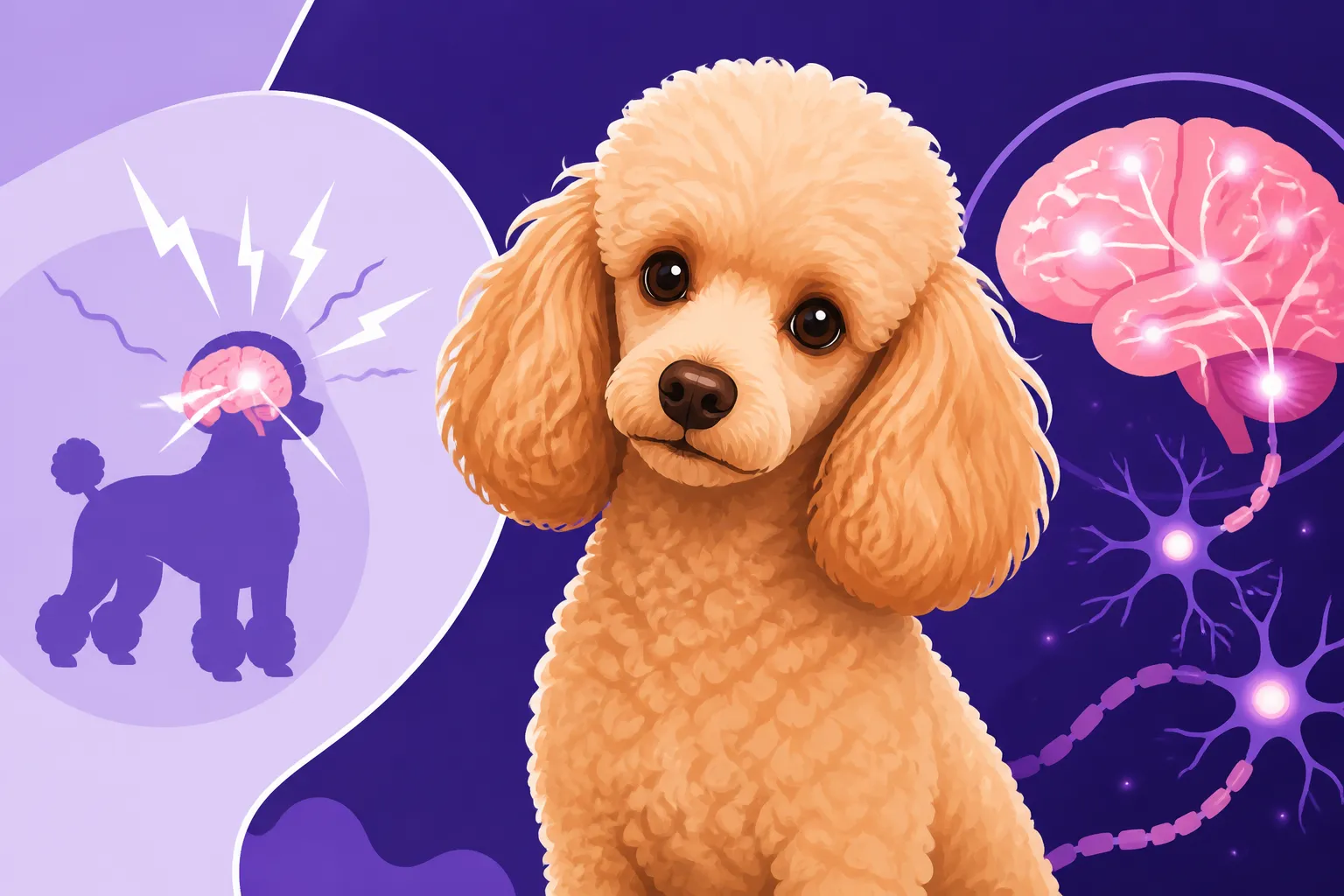
Idiopathic Epilepsy in Miniature Poodles
Few things are as terrifying and heartbreaking for a poodle parent as witnessing their beloved companion suffer a seizure. The sudden loss of control, the shaking, the vacant stare – it’s a moment that can make even the most seasoned dog owner feel utterly helpless. If your Miniature Poodle has recently experienced such an episode, or if you're living with a diagnosis already, you're not alone in feeling worried and overwhelmed. This comprehensive guide is here to shed light on idiopathic epilepsy in Miniature Poodles, helping you understand this complex condition, recognize its signs, navigate diagnosis, and explore effective management strategies to ensure your furry friend lives the fullest, happiest life possible.
Understanding Idiopathic Epilepsy in Miniature Poodles
Idiopathic epilepsy is a frustrating diagnosis because, at its core, "idiopathic" means we don't know the exact cause. It's primary epilepsy, meaning the seizures aren't the result of another underlying brain condition, like a tumor, infection, or structural defect. Instead, it's thought to be largely genetic, an inherited predisposition that causes abnormal electrical activity in the brain.
What Exactly Is Idiopathic Epilepsy?
Think of your poodle's brain as a complex electrical system. In idiopathic epilepsy, there are occasional, sudden bursts of uncontrolled electrical activity, like a short circuit, which disrupt normal brain function. These bursts manifest as seizures. Unlike secondary epilepsy, which is caused by identifiable issues like kidney disease, liver shunts, or exposure to toxins, idiopathic epilepsy starts spontaneously, usually between six months and five years of age in Miniature Poodles. It's a diagnosis of exclusion – meaning your vet will need to rule out every other possible cause before arriving at this conclusion. This can be a long and sometimes expensive road, leaving many owners feeling anxious as they search for answers.
For Miniature Poodles, this condition is more than just a random occurrence; there's a recognized genetic component. While the specific genes haven't all been definitively isolated, breed-specific studies and observations have strongly linked idiopathic epilepsy to certain lines within the Miniature Poodle population. This is why a reputable breeder will be transparent about the health history of their breeding dogs and their ancestors, especially regarding neurological conditions. Understanding the genetic predispositions of breeds, like Why Poodle Health Splits by Size, is incredibly important for prospective owners.
Why Miniature Poodles are Particularly Susceptible
Miniature Poodles, along with several other breeds like Beagles, Labrador Retrievers, and Golden Retrievers, are known to have a higher incidence of idiopathic epilepsy. It's simply "in their genes," so to speak, making them genetically predisposed to developing the condition. This doesn't mean every Miniature Poodle will have seizures, of course, but the likelihood is elevated compared to some other breeds.
The reason for this breed-specific susceptibility is complex and still being researched. It’s believed to involve multiple genes rather than a single dominant or recessive one, making it harder to predict and eliminate through selective breeding. This genetic lottery can be incredibly tough on families, as you might have done everything right – chosen a fantastic breeder, provided excellent care – and still find yourself facing this challenging diagnosis. It highlights the importance of asking a breeder about the health of their line, including any instances of seizures, when considering a puppy. This kind of information is often uncovered through extensive genetic testing, a critical part of What a Poodle Breeder Must Test For.
The Frustrating Lack of a Clear Cause
One of the most disheartening aspects of an idiopathic epilepsy diagnosis is the inherent "unknown." You want answers, a clear reason why your beloved poodle is suffering, and a definitive path to resolution. But with idiopathic epilepsy, there isn't a simple, singular cause to point to or a specific "fix." This can lead to a profound sense of helplessness and frustration.
It means that rather than treating an underlying illness, you're managing a symptom – the seizures themselves. This management often involves a process of trial and error with medications, carefully observing your poodle for triggers, and meticulously tracking seizure activity. The lack of a clear "why" can make it feel like you're fighting an invisible enemy, and it’s completely understandable to feel overwhelmed by this ambiguity.
Recognizing the Signs: What a Seizure Looks Like
Understanding what a seizure entails is crucial for any poodle owner, especially if you suspect your Miniature Poodle might be predisposed or has already had an episode. Seizures aren't always the dramatic, full-body convulsions you might imagine; they can range from subtle twitches to intense, prolonged events.
The Phases of a Seizure
A typical seizure, particularly a generalized or "grand mal" seizure, usually unfolds in three distinct phases:
- Pre-Ictal Phase (Aura): This is the period before the seizure begins, and it can last anywhere from a few seconds to several hours, or even days. Your poodle might show subtle behavioral changes. They might become restless, anxious, seek comfort from you, or seem confused. Some dogs might hide, become excessively clingy, or even drool more than usual. This phase isn't always noticeable to owners, but if you're attuned to your poodle's sensitive nature, you might pick up on these cues. Remember, Poodles are incredibly perceptive, and often Why a Sensitive Poodle Hides Illness until it's undeniable.
- Ictal Phase (The Seizure Itself): This is the actual seizure event. For a generalized seizure, it often involves a sudden collapse, stiffening of limbs, uncontrolled paddling motions, salivation, chomping of the jaw, and sometimes loss of bladder or bowel control. The dog is unconscious and unaware of its surroundings. These episodes typically last from a few seconds to a few minutes. While it feels like an eternity when you're watching it, most seizures are relatively short. It's important to note the start and end times accurately, as duration is a key piece of information for your vet.
- Post-Ictal Phase: After the seizure subsides, your poodle won't immediately snap back to normal. This post-ictal phase can last minutes, hours, or even days, and is often characterized by disorientation, confusion, temporary blindness, aimless wandering, excessive hunger or thirst, or extreme exhaustion. They might walk into furniture, seem unresponsive to their name, or just collapse into a deep sleep. This can be just as distressing as the seizure itself, as your usually bright and alert Miniature Poodle seems utterly lost. Patience and a quiet, safe space are paramount during this recovery period. Observing Reading Pain in a Sensitive Poodle can help you understand their discomfort during this time.
Different Types of Seizures
While generalized seizures are the most commonly recognized, seizures can present in various forms:
- Generalized Seizures (Grand Mal): As described above, these affect both sides of the brain and involve full-body convulsions, loss of consciousness, and autonomic signs like salivation. They are the most dramatic and frightening to witness.
- Focal Seizures (Partial Seizures): These originate in only one part of the brain and can be much harder to identify. They might involve localized twitching of a single limb, facial muscles, or eyelids. Your poodle might snap at imaginary flies, appear to be chewing gum, or have dilated pupils. Consciousness might be impaired, but not always lost. They can also manifest as behavioral changes like sudden aggression, fear, or excessive licking of an area. Sometimes, focal seizures can "generalize" and spread to become a full-blown grand mal seizure.
Being able to describe these specific behaviors to your vet is incredibly helpful. Many owners find it useful to record a short video of the seizure if it's safe to do so, as this provides invaluable information for diagnosis. The timing of these events, or When Poodle Seizures First Appear, can also give your vet clues as to the type and potential cause.
Subtle Signs You Might Miss
Because seizures aren't always obvious convulsions, it's easy to miss subtle indications, especially in the pre-ictal or focal phases. A Miniature Poodle, being a bright and often sensitive breed, might internalize these feelings or express them in ways that seem like normal quirks.
For example, an otherwise well-behaved poodle might suddenly snap or growl without provocation. They might stare blankly into space for a few seconds, shake their head repeatedly, or suddenly become very clumsy. Some dogs will suddenly seem ravenously hungry or thirsty after what you think was a normal afternoon, but which might have actually been a very subtle seizure. Keeping a detailed log of any unusual behaviors, even those you initially dismiss, can be crucial for your vet. This kind of careful observation is especially important with Miniature Poodles, as their small size can sometimes make subtle signs harder to notice than in larger breeds.
Diagnosis and Differentiating from Other Conditions
Getting an idiopathic epilepsy diagnosis isn't a quick or straightforward process. Because "idiopathic" means there's no known cause, your veterinary team first has to rule out every other possible reason for the seizures. This systematic elimination is crucial to ensure your Miniature Poodle receives the correct treatment.
The Diagnostic Process: Exclusion, Blood Tests, Imaging
When your Miniature Poodle experiences a seizure, the first step is always an emergency vet visit to stabilize them, especially if the seizure is prolonged or multiple seizures occur in a short period (cluster seizures). Once stable, the diagnostic journey begins.
Your vet will start with a thorough physical examination and a detailed neurological exam. They'll ask you a lot of questions about the seizure itself – duration, type of movements, recovery time, and any behaviors leading up to or following the event. A complete medical history, including any potential exposure to toxins or recent illnesses, is vital.
Next, a series of comprehensive blood tests will be ordered. These typically include:
- Complete Blood Count (CBC): Checks for infection, inflammation, anemia.
- Biochemistry Panel: Evaluates organ function (liver, kidneys), electrolytes, and blood sugar levels. Issues with these can sometimes cause seizures (e.g., severe hypoglycemia or liver shunts).
- Thyroid Panel: Thyroid disease, like Thyroid Disease in Poodles, can sometimes present with neurological symptoms.
- Bile Acid Tests: Helps rule out portosystemic shunts, a liver condition that can cause toxins to build up and affect the brain.
If blood tests come back normal, the next step often involves advanced imaging, specifically Magnetic Resonance Imaging (MRI) of the brain, sometimes combined with a Cerebrospinal Fluid (CSF) tap. These procedures are usually performed by a veterinary neurologist and require general anesthesia. The MRI allows the specialist to visualize the brain's structure, looking for tumors, inflammation, stroke, or other abnormalities. The CSF tap helps rule out infections or inflammatory diseases of the brain and spinal cord.
Only when all these tests – blood work, imaging, and CSF analysis – come back within normal limits, and there's no other identifiable cause for the seizures, can a diagnosis of idiopathic epilepsy be made. It's a diagnosis of exclusion, which means paying for a Vet Spend on a Poodle With No Diagnosis until all possibilities are exhausted.
Ruling Out Other Causes
The extensive diagnostic process is critical because many other conditions can mimic epileptic seizures. These are often categorized as secondary epilepsy or symptomatic epilepsy.
Common conditions your vet will want to rule out include:
- Metabolic Disorders: As mentioned, severe low blood sugar (hypoglycemia), liver disease (like a portosystemic shunt), kidney failure, or electrolyte imbalances can all trigger seizures. These are often treatable once identified.
- Toxins: Exposure to certain household chemicals (e.g., antifreeze, slug bait), pesticides, human medications, or toxic plants can cause acute seizures. Your vet will ask about anything your poodle might have ingested.
- Brain Tumors: Especially in older Miniature Poodles, brain tumors can develop and cause seizures. An MRI is essential for identifying these.
- Inflammatory Brain Diseases (Meningoencephalitis): These can be infectious (bacterial, fungal, viral) or non-infectious (autoimmune). Conditions like Granulomatous Meningoencephalitis (GME) are sometimes seen in small breeds and require specific immunosuppressive treatment, not just anti-epileptic drugs.
- Head Trauma: A severe head injury can lead to seizures.
- Strokes: Less common but possible, a stroke can also cause neurological signs including seizures.
The thoroughness of this diagnostic workup is paramount. It ensures that you aren't simply treating symptoms while a potentially curable or manageable underlying condition goes unchecked.
Why a Thorough Vet Visit is Crucial
It cannot be stressed enough: a comprehensive veterinary evaluation is the cornerstone of managing seizures. Self-diagnosing based on internet searches or anecdotes can be dangerous, potentially delaying crucial treatment for a serious underlying condition. Your regular veterinarian is your first point of contact, but they may recommend referral to a veterinary neurologist for the advanced imaging and specialist interpretation needed to confirm idiopathic epilepsy.
This initial, in-depth evaluation not only helps achieve an accurate diagnosis but also establishes a baseline for your poodle's health. Future monitoring will rely on these initial blood values and observations. Plus, discussing your concerns and observations with a professional helps ease your mind and provides you with a clear action plan. They can also advise on proactive steps, like Genetic Panels for the Three Poodle Sizes, which may provide further insights into inherited conditions.
Managing Epilepsy: Treatment Options and Strategies
Once idiopathic epilepsy is diagnosed, the focus shifts to management. This is a lifelong commitment, as there's no cure for idiopathic epilepsy, but with the right approach, many Miniature Poodles can live full, happy lives with well-controlled seizures.
When to Start Medication
Deciding when to start anti-epileptic drugs (AEDs) is a critical conversation between you and your vet. It's not always initiated after the very first seizure. Generally, medication is considered when:
- Seizures are frequent: If your Miniature Poodle is having more than one seizure every 6-8 weeks.
- Seizures are severe or prolonged: If the seizures last longer than 5 minutes or involve severe post-ictal disorientation.
- Cluster seizures occur: When multiple seizures happen within a 24-hour period.
- Status epilepticus occurs: A seizure lasting over 30 minutes, or multiple seizures without full recovery in between, which is a life-threatening emergency.
- There's an increasing frequency or severity: If the seizures are becoming worse over time.
For some owners, the emotional impact of even infrequent seizures is enough to warrant starting medication, especially when witnessing the frightening effects on their sensitive Miniature Poodle. Your vet will weigh the risks and benefits of starting medication, considering potential side effects against the impact of uncontrolled seizures on your poodle's quality of life. Knowing about Medication for an Epileptic Poodle beforehand can help you prepare for this discussion.
Common Anti-Epileptic Drugs (AEDs) and Their Side Effects
Several medications are commonly used to manage epilepsy in dogs, often in combination. The goal is to find the lowest effective dose to minimize side effects while controlling seizures. This often takes time and careful monitoring.
| Medication Type | Common Name(s) | Primary Action | Common Side Effects | Monitoring |
|---|---|---|---|---|
| Barbiturates | Phenobarbital | Depresses CNS, raises seizure threshold | Sedation, ataxia (wobbliness), increased thirst/appetite, liver toxicity (long-term) | Regular blood tests for liver enzymes and phenobarbital levels |
| Bromides | Potassium Bromide, Sodium Bromide | Stabilizes neuronal membranes | Sedation, ataxia, increased thirst/appetite, pancreatitis (rare), skin eruptions (rare) | Regular blood tests for bromide levels and electrolytes |
| Add-on AED | Keppra (Levetiracetam) | Modifies neurotransmitter release | Generally mild: mild sedation, transient gastrointestinal upset; often well-tolerated | Less frequent blood monitoring needed; requires frequent dosing |
| Add-on AED | Zonisamide | Blocks sodium and calcium channels | Sedation, ataxia, gastrointestinal upset; sulfa drug, so rare allergic reactions | Regular blood tests for kidney function and zonisamide levels |
- Phenobarbital: This is often the first-line drug due to its effectiveness and relatively low cost. However, it can cause sedation, increased thirst and appetite, and long-term liver damage. Regular blood tests are essential to monitor liver function and ensure therapeutic drug levels.
- Potassium Bromide (KBr): Often used in conjunction with phenobarbital or for dogs with liver issues, KBr can also cause sedation, increased thirst/appetite, and hind limb weakness. It takes several months to reach stable levels in the body.
- Levetiracetam (Keppra): This drug is generally well-tolerated with fewer side effects, making it a good choice for dogs that don't tolerate other AEDs or as an add-on. The main drawback is that it often needs to be given every 8 hours, which can be challenging for owners.
- Zonisamide: Another good option for add-on therapy, Zonisamide is often given twice a day and is generally well-tolerated, though it can cause some gastrointestinal upset or sedation.
Finding the right medication and dosage is a balancing act. Your vet will start with a conservative dose and gradually increase it, monitoring your poodle's seizure activity and watching for side effects. It’s a marathon, not a sprint, and communication with your veterinary team is vital. Don't be afraid to voice your concerns about side effects or if you feel your poodle isn't responding adequately.
Non-Pharmacological Approaches
While medication is the cornerstone of epilepsy management, complementary therapies can play a supportive role, though it's crucial to discuss these with your vet before incorporating them.
- Dietary Management: Some anecdotal evidence suggests that diets high in medium-chain triglycerides (MCTs) may help some epileptic dogs by providing an alternative energy source for the brain. Specific veterinary prescription diets designed for cognitive support sometimes include MCTs. However, dietary changes should always be supervised by your vet, as abrupt changes can sometimes trigger seizures.
- Supplements: Omega-3 fatty acids are known for their anti-inflammatory and neuroprotective properties and might be beneficial. Antioxidants are also sometimes recommended. Again, discuss dosages and specific products with your vet.
- CBD (Cannabidiol) Oil: The use of CBD oil for canine epilepsy has gained significant attention. While research is ongoing, some studies show promise in reducing seizure frequency in some dogs, especially when used in conjunction with traditional AEDs. However, the market is largely unregulated, and product quality varies wildly. If considering CBD, ensure you use a high-quality product from a reputable source, with third-party testing for purity and potency. Always consult your vet first, as CBD can interact with other medications your poodle might be taking. Current legal restrictions and varying vet opinions on CBD mean that clear guidance is still evolving.
These non-pharmacological approaches are typically seen as adjunctive therapies, meaning they complement, rather than replace, traditional anti-epileptic medications. The goal is always to improve your Miniature Poodle's quality of life and reduce seizure activity safely.
Living with an Epileptic Miniature Poodle
Receiving an epilepsy diagnosis for your Miniature Poodle changes things, but it absolutely doesn't mean the end of a happy life together. It means adapting, learning, and developing new routines to ensure your poodle's safety and well-being.
Creating a Safe Environment During Seizures
When a seizure strikes, your immediate priority is to keep your poodle safe. Here's how you can prepare and react:
- Stay Calm: It's easier said than done, but remaining calm allows you to think clearly and help your poodle.
- Protect from Injury: Move any furniture or sharp objects away from your poodle. If they are on a bed or sofa, gently move them to the floor to prevent falls. Do not try to restrain them or put anything in their mouth – they won't swallow their tongue, and you risk being bitten.
- Time the Seizure: Note the exact start and end times. This information is critical for your vet.
- Observe and Document: Pay attention to the type of movements, eye movements, salivation, and if they lose bladder/bowel control. A video recording can be immensely helpful if it's safe to take one.
- Keep Cool: Dogs can overheat during prolonged seizures. If the seizure lasts more than a couple of minutes, apply cool, damp cloths to their paws and groin area.
- Post-Ictal Care: Once the seizure stops, speak to your poodle gently. They will likely be confused and disoriented. Offer water if they seem thirsty. Guide them carefully to a quiet, dark place where they can recover without being disturbed. Avoid loud noises or too much stimulation. Your poodle will likely need to sleep off the effects.
Having a plan in place, and even practicing a mental walkthrough, can make a huge difference in how you react in the moment.
Tracking Seizures and Communicating with Your Vet
Effective long-term management hinges on meticulous tracking and open communication with your veterinary team. You'll become your poodle's primary seizure diary keeper and observer.
- Seizure Log: Keep a detailed log for every seizure. Include:
- Date and time (start and end).
- Duration.
- Type of seizure (generalized, focal, etc.).
- Observed signs (paddling, drooling, vocalization, loss of bladder/bowel control).
- Post-ictal behavior and duration.
- Any potential triggers (stress, changes in routine, specific sounds, storms).
- Medication changes or doses given.
Many smartphone apps are available specifically for tracking pet seizures, which can make this process easier and allow you to quickly share data with your vet. Regular check-ins with your vet, even if phone calls, are crucial to discuss any changes in seizure frequency, duration, or your poodle's response to medication. They may also discuss Poodle Lifespan Across the Three Sizes in the context of their specific condition and age.
The Emotional Toll on Owners and Coping Strategies
Living with an epileptic dog can be incredibly stressful and emotionally draining. The constant worry, the fear of the next seizure, and the guilt you might feel if you can't control them perfectly are all valid emotions. Many owners experience anxiety, sadness, and even PTSD-like symptoms after witnessing a severe seizure.
- Acknowledge Your Feelings: It's okay to feel overwhelmed, sad, or scared. Don't bottle up these emotions.
- Seek Support: Connect with other owners of epileptic dogs. Online forums, social media groups, and local support networks can provide a safe space to share experiences and advice. Knowing you're not alone can be incredibly comforting.
- Educate Yourself: The more you understand about epilepsy, the more empowered you'll feel. This guide is a start, but continue to read reliable sources and ask your vet questions.
- Self-Care: Remember to take care of yourself. The emotional burden can be heavy, so make sure you're getting enough rest, eating well, and engaging in activities that bring you joy. You can't pour from an empty cup.
- Financial Planning: Managing a chronic condition like epilepsy can be costly, especially with medication, regular vet visits, and potential emergency care. Exploring pet insurance options early, even before a diagnosis, can be incredibly helpful. Providers like Healthy Paws offer various plans, and while pre-existing conditions typically aren't covered, ensuring coverage for other potential issues can be a lifesaver. It’s wise to understand Poodle Insurance Premiums by Size and Age when budgeting. Even if insurance isn't an option, setting aside an emergency fund or looking into veterinary financing options can reduce stress. Planning for expenses like Saving Ahead for a Poodle Emergency is crucial.
Prognosis and Quality of Life
The good news is that with appropriate management, many Miniature Poodles with idiopathic epilepsy can have an excellent quality of life. The goal of treatment isn't always to stop seizures entirely, but rather to reduce their frequency, severity, and duration to a point where they are manageable and don't significantly impact your poodle's well-being.
Your vet will monitor your poodle's response to medication and make adjustments as needed. It can sometimes take months to find the ideal drug combination and dosage. Some dogs may experience a honeymoon period where seizures are well-controlled, only for them to return later, requiring further medication adjustments.
While lifelong medication is typical, most Miniature Poodles with idiopathic epilepsy can still enjoy walks, playtime, cuddles, and all the things that make them wonderful companions. Regular veterinary check-ups, consistent medication administration, and your watchful eye will be key to their continued health and happiness. It’s a journey, but one you embark on together, ensuring your beloved poodle lives their best life despite the challenges.
Disclaimer
The information provided in this article is for general informational purposes only and is not a substitute for professional veterinary advice. Always consult with a qualified veterinarian for any health concerns or before making any decisions related to your pet's health or treatment plan.