When a Poodle’s Addison’s Stops Responding
It’s truly disheartening when you’ve been meticulously managing your beloved Poodle’s Addison’s disease, following every vet instruction to the letter, only to start seeing those familiar, worrying symptoms creep back. You feel a knot in your stomach, wondering if all your hard work has been for naught, or worse, if something more serious is at play. This guide is here to walk you through what happens when Addison’s treatment seems to falter, helping you understand the reasons why and what steps you can take with your vet to get your Poodle back on track.
Understanding Addison's Disease in Poodles
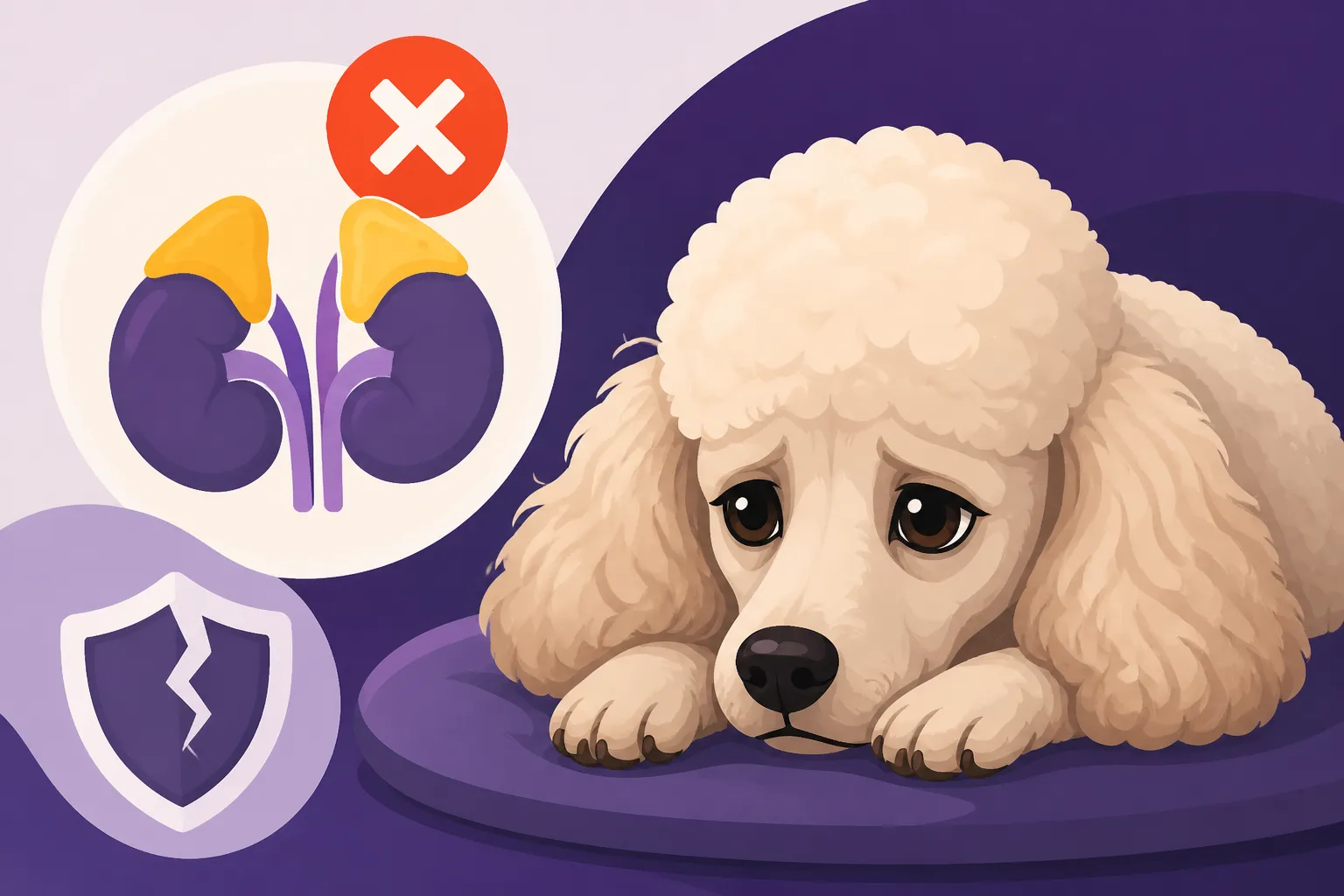
Addison's disease, or hypoadrenocorticism, is often called the "great imitator" or "great pretender" because its symptoms can mimic so many other conditions. For Poodle owners, especially those with Standard Poodles who are genetically predisposed, learning about this illness is a crucial part of responsible pet ownership. It’s an endocrine disorder where the adrenal glands, located near the kidneys, don't produce enough vital hormones, primarily cortisol and aldosterone.
A Quick Refresher on Adrenocortical Insufficiency
Cortisol is a stress hormone, crucial for managing blood sugar, reducing inflammation, and regulating metabolism. Aldosterone, on the other hand, is key for balancing electrolytes—sodium and potassium—which are essential for heart and kidney function. When these hormones are deficient, your Poodle's body can't cope with stress, regulate blood pressure, or maintain proper fluid balance. It’s like the body’s internal thermostat and control panel are malfunctioning.
Imagine your Poodle suddenly becomes lethargic, doesn't want to eat, vomits, or has diarrhea. These are classic, albeit vague, signs that can pop up with many illnesses. But with Addison’s, these symptoms tend to wax and wane, making diagnosis tricky. Many owners might initially think their Poodle is just having an off day or is perhaps Poodle Addison's Mistaken for Sulking. This cyclical nature is a hallmark of the disease, and it’s why getting a definitive diagnosis, typically through an ACTH stimulation test, is so important. Once diagnosed, the goal is to replace the missing hormones.
The Usual Management Protocol and Expected Outcomes
Successfully managing Addison’s disease typically involves lifelong medication. For mineralocorticoid replacement (aldosterone), dogs usually receive injections of desoxycorticosterone pivalate (DOCP), often brand names like Zycortal, every 25 to 30 days. This injection helps to regulate those critical electrolyte levels. For glucocorticoid replacement (cortisol), prednisone is often prescribed, usually at a low daily dose that might be adjusted during times of stress. The beauty of modern veterinary medicine is that with consistent treatment, most Poodles with Addison's disease can live completely normal, full lives.
The relief you feel after a diagnosis and seeing your Poodle return to their vibrant self after starting treatment is immense. You get into a routine: monthly vet visits for the injection, daily pill administration, and careful monitoring for any changes. You learn to watch for subtle cues and become attuned to your Poodle’s baseline. Generally, owners can expect their Poodle to regain energy, appetite, and a healthy weight, truly thriving despite the condition. Most Poodles on a stable treatment plan won't experience recurring crises, but it’s vital to understand that this isn’t always a straight line.
Why Poodle Addison's Is the Great Pretender
Even with a confirmed diagnosis and a stable treatment plan, Addison's disease can still throw curveballs. It truly earns its moniker as the "great pretender." The very nature of the disease, affecting so many bodily functions in subtle and varied ways, means that even a well-managed Poodle can present with symptoms that look like anything but Addison's acting up again. This can be incredibly frustrating for owners and challenging for veterinarians, as you're trying to discern if it's the Addison's or something entirely new.
For example, a Poodle might suddenly develop a new gastrointestinal upset. Is it a dietary indiscretion? A virus? Or is the Addison’s medication no longer cutting it? The symptoms can be so non-specific—lethargy, vomiting, diarrhea, lack of appetite, shaking, weakness, or even collapse—that it requires a keen eye and often, repeat diagnostic testing. This is why when you start noticing a regression in your Poodle's health, even if they're on medication, it's never a moment to self-diagnose or delay a vet visit. Your vet will need to Diagnosing Addison's in a Standard Poodle again, looking for clues that might indicate a change in the disease’s progression or the effectiveness of the current treatment.
Recognizing Signs of Unresponsive Addisonian Crisis
It's terrifying to see your Poodle, who was doing so well, suddenly start declining again. You might find yourself second-guessing every decision, every meal, every walk. The key is to be observant and know what to look for, so you can act quickly. Early detection of unresponsiveness can make a world of difference in your Poodle's outcome.
Subtle Changes in Behavior and Appetite
Often, the first hints that your Poodle’s Addison’s treatment might be faltering are incredibly subtle. You know your Poodle best, and you’ll notice shifts that others might miss. Maybe they're not greeting you with the same enthusiastic bounce they usually do, or they seem a bit more withdrawn than usual. Perhaps their favorite toy doesn’t elicit the usual excitement. You might notice they're sleeping more or just generally seem "off."
Appetite changes are also a common early warning. They might pick at their food, refusing a meal they usually gobble down, or show a general disinterest in treats. Water intake might fluctuate—either drinking excessively or not enough. These might seem like minor issues, but in a Poodle with Addison's, they are red flags. It's not just "Poodles sulking" as some might assume; it could be a physiological sign that something is amiss. Keeping a journal of your Poodle’s daily behavior, appetite, and energy levels can be incredibly helpful in spotting these subtle regressions early.
Worsening Physical Symptoms Despite Medication
If the subtle signs are missed or progress, you might start noticing a return or worsening of the more overt physical symptoms you initially dealt with. Vomiting and diarrhea, which might have been completely resolved with medication, could reappear. This isn't just an occasional upset stomach; it’s persistent or recurrent gastrointestinal distress. Your Poodle might seem unusually weak, stumbling, or having difficulty standing up. Their muscles might feel soft, and they may appear to have lost weight, even if their diet hasn't changed.
Another concerning sign is a change in thirst and urination. Excessive drinking (polydipsia) and frequent urination (polyuria) can indicate electrolyte imbalances. While these can also be signs of other serious conditions like kidney disease or diabetes, in an Addisonian Poodle, they warrant immediate attention. You might also notice shivering, muscle tremors, or a cold body temperature even in a warm environment. These are all indicators that the body isn’t properly regulating itself, and the existing medication regimen may no longer be adequate. For instance, sometimes Thyroid Disease in Poodles can coexist with Addison's, creating a complex clinical picture that requires careful differentiation.
Emergency Signs of an Addisonian Crisis
When Addison's disease goes truly unchecked or treatment fails catastrophically, it can lead to an acute Addisonian crisis, which is a life-threatening emergency. This is when your Poodle's body systems begin to shut down due to severe hormone deficiencies and electrolyte imbalances. The signs of a crisis are dramatic and demand immediate veterinary intervention.
Your Poodle might collapse suddenly, become unresponsive, or extremely weak to the point of being unable to stand. They may exhibit severe vomiting and bloody diarrhea. Their heart rate can become abnormally slow (bradycardia), and their pulse weak. Gums might appear pale and capillary refill time will be slow. If you suspect an Addisonian crisis, do not wait. Rush your Poodle to the nearest emergency veterinary clinic. Every minute counts. While unrelated, symptoms like these can be just as critical as Emergency Signs of Poodle Bloat, requiring the same rapid response. Knowing these critical signs can literally save your Poodle's life.
Common Reasons for Treatment Failure
It's easy to jump to the conclusion that your Poodle is just "resistant" to treatment, but usually, there's a specific reason why their Addison's might seem unresponsive. Pinpointing this cause is the first step toward getting them stable again.
Inconsistent Medication Administration or Dosage Issues
The most common reason for treatment failure, and often the easiest to fix, is issues with medication administration. Let’s be honest, life gets busy. Forgetting a daily prednisone pill or being late for a monthly DOCP injection can happen. Even slight inconsistencies can disrupt the delicate hormonal balance an Addisonian Poodle needs. Perhaps a family member misunderstood the dosing instructions, or the pill accidentally got spit out without you noticing.
Beyond simple inconsistencies, the dosage itself might become insufficient. A Poodle's body can change over time due to growth, aging, or other metabolic shifts. The initial dose that worked perfectly might no longer be enough to adequately replace the missing hormones. This is particularly true for glucocorticoids like prednisone, which often need to be adjusted, especially during periods of stress. For the monthly DOCP injections, the 25-30 day interval isn't a hard and fast rule for every dog; some Poodles might metabolize the drug faster and need their injections slightly more frequently, or perhaps a higher dose. This is why regular follow-up blood work to monitor electrolytes (sodium and potassium) is so important for Lifelong Treatment for an Addisonian Poodle, as it guides these critical adjustments.
Concurrent Health Conditions Masking or Worsening Symptoms
Addison’s disease can be a primary concern, but Poodles, like any breed, are susceptible to other health issues. When another condition develops, it can complicate the picture significantly. A secondary illness might either mask the typical signs of Addison’s, making it harder to recognize a crisis, or it could actively worsen your Poodle’s overall health, leading to a breakdown in Addisonian management. For example, a severe gastrointestinal infection could lead to profound dehydration and electrolyte imbalances, mimicking an Addisonian crisis even if the Addison’s itself is well-controlled.
Conditions like kidney disease, pancreatitis, or even certain cancers can put immense stress on the body, increasing the need for cortisol. If the current prednisone dose isn’t enough to cover this increased demand, your Poodle could enter a relative Addisonian crisis. Diabetes, heart conditions, or other autoimmune diseases can also contribute to a general decline in health, making your Poodle more vulnerable. It’s a frustrating puzzle for both you and your vet. This is where comprehensive diagnostics become crucial, going beyond just electrolyte checks to look at the whole picture. When a Poodle's Addison's stops responding, it’s not always the Addison’s alone that is the culprit; often, another co-existing health issue is at play, demanding a holistic diagnostic approach.
Increased Stressors Triggering a Crisis
One of the primary functions of cortisol is to help the body cope with stress. When an Addisonian Poodle isn't producing enough cortisol naturally, and their medication isn't adequately compensating, any significant stressor can push them into crisis. These stressors aren't always obvious; they can range from physical to emotional. A new pet in the house, a house move, a change in routine, an unfamiliar boarding situation, or even a severe thunderstorm can be enough to tip the scales.
Physical stressors are equally important. Surgery, even a routine dental cleaning, can be a major physiological challenge. A minor injury, an allergic reaction, or a bout of kennel cough can also trigger a crisis if the Poodle isn't "stress dosed" properly. Stress dosing involves temporarily increasing the glucocorticoid medication (like prednisone) during anticipated or actual stressful events. This is a critical part of Stress Dosing a Poodle With Addison's and is something every Addisonian Poodle owner should discuss thoroughly with their vet. If your Poodle encounters a significant stressor and isn't adequately dosed, their Addison's treatment might appear to stop responding, when in reality, their body just needed more support to handle the challenge.
Diagnostic Steps for Re-evaluating Treatment
When your Poodle’s Addison’s seems to be going off the rails, you need concrete answers. This means working closely with your veterinarian to systematically re-evaluate their condition and treatment. It’s not about blame; it’s about getting to the bottom of the problem.
Comprehensive Blood Work and Electrolyte Monitoring
The cornerstone of re-evaluating an Addisonian Poodle is often a fresh set of comprehensive blood tests. The most telling indicators are usually the electrolyte levels, specifically sodium and potassium. In a well-controlled Addisonian Poodle, these levels should be within normal ranges. If the potassium is elevated and the sodium is low, it’s a strong sign that the mineralocorticoid replacement (DOCP) is insufficient or wearing off. Your vet will also look at the sodium-to-potassium ratio, which is often dramatically low in Addisonian dogs.
Beyond electrolytes, a full blood panel will check for other red flags. Kidney values (BUN, creatinine) can indicate dehydration or kidney compromise, which can either mimic or complicate Addison’s. Liver enzymes might be elevated if there’s a concurrent issue or if medications are affecting the liver. A complete blood count (CBC) can reveal anemia (common in chronic illness), infection, or stress leukograms. For instance, a lack of a stress leukogram (high neutrophils, low lymphocytes, low eosinophils) can be another subtle clue that the body isn’t producing enough cortisol, even if the Poodle is unwell. All these pieces of information help your vet How a Vet Confirms Poodle Addison's again, or confirms that the current regimen is no longer working.
ACTH Stimulation Test Revisited
Even if your Poodle was definitively diagnosed with Addison’s disease, a repeat ACTH stimulation test might be necessary when treatment appears to fail. This test directly measures the adrenal glands' ability to produce cortisol in response to a synthetic hormone (ACTH). If your Poodle is on prednisone, this medication will interfere with the test results, so it usually needs to be stopped for a period before the test, or a specific glucocorticoid like dexamethasone, which doesn't interfere, may be used temporarily.
The ACTH stim test helps your vet confirm a few things:
- Confirmation of diagnosis: In rare cases, an initial diagnosis might have been incorrect, or perhaps your Poodle has atypical Addison's, where only cortisol is deficient, not aldosterone.
- Assessment of glucocorticoid need: It helps determine if the current prednisone dose is adequate. If the Poodle’s post-ACTH cortisol levels are still very low, it indicates persistent adrenal insufficiency despite current therapy, or perhaps the prednisone isn't being absorbed properly.
- Ruling out secondary Addison’s: This form of Addison’s is much rarer and involves a problem with the pituitary gland, not the adrenal glands directly. The ACTH stim test can help differentiate.
A repeat ACTH stim test provides clear, objective data on the adrenal gland’s function and helps guide adjustments to both mineralocorticoid and glucocorticoid dosages.
Imaging and Other Tests to Rule Out Complicating Factors
When blood tests and a repeat ACTH stim don't provide a clear answer, or if your vet suspects a concurrent illness, further diagnostic imaging or specialized tests may be necessary. An abdominal ultrasound can be invaluable for visualizing the adrenal glands themselves (which are typically small or atrophied in Addisonian dogs), but more importantly, it can rule out other organ diseases. For example, issues with the kidneys, liver, or pancreas could be causing symptoms that mimic Addison’s unresponsiveness.
X-rays might be used to check for internal bleeding, fluid accumulation in the chest or abdomen, or other systemic issues. Urinalysis helps assess kidney function, hydration status, and rule out urinary tract infections. In some cases, if certain neurological symptoms are present, or if an atypical presentation of Addison’s is suspected, your vet might recommend advanced imaging like an MRI or consultation with an internal medicine specialist. These comprehensive steps are vital to ensure that when your Poodle's Addison's stops responding, you're not missing a hidden co-morbidity that needs its own attention. It's a thorough process, but it's essential to give your Poodle the best chance at recovery. Many owners find robust pet insurance, such as through a provider like Healthy Paws, invaluable during these comprehensive and often costly diagnostic phases.
Adjusting the Treatment Plan and Long-Term Management
Once the reason for your Poodle’s Addison’s becoming unresponsive is identified, the good news is that adjustments can almost always be made. It might take a bit of trial and error, but the goal is always to restore their quality of life.
Fine-Tuning Medication Dosages
This is often the first and most direct course of action. Based on blood test results, particularly the electrolytes, your vet will adjust the dose or frequency of the DOCP injections. If potassium is still too high and sodium too low, a higher dose of DOCP might be prescribed, or the injection interval shortened from 30 days to perhaps 28 or even 25. Close monitoring in the weeks following such a change is critical to ensure the new regimen is effective and doesn’t overcorrect.
For glucocorticoids (prednisone), adjustments are also common. If your Poodle is experiencing recurring lethargy, weakness, or general malaise, their baseline prednisone might need to be slightly increased. If they are showing signs of stress (even without a specific external stressor), the stress-dosing protocol might need to be made more liberal. The vet might also consider different types of glucocorticoids or a different administration schedule. It’s a delicate balance; too much prednisone can lead to side effects like excessive thirst, urination, increased appetite, panting, and even long-term issues like Cushing's disease, while too little leaves them vulnerable. Regular check-ups and open communication with your vet are paramount to finding that "sweet spot" in medication.
Incorporating Stress Management Techniques
Since stress is a major trigger for Addisonian crises, integrating effective stress management into your Poodle’s daily life is crucial, especially if treatment is faltering. This isn't just about medication; it's about creating an environment that supports their well-being. Look for ways to minimize abrupt changes in routine. If you know a stressful event is coming (like a vet visit, grooming appointment, or travel), discuss Stress Dosing a Poodle With Addison's with your vet beforehand to preemptively increase their prednisone.
Enrichment activities can also help reduce stress and anxiety. Puzzle toys, regular walks, consistent training, and predictable routines provide mental stimulation and a sense of security. Consider calming aids if your Poodle is particularly anxious, such as thunder shirts, pheromone diffusers (like Adaptil), or even natural calming supplements (always consult your vet first). For extremely anxious Poodles, behavioral training with a positive reinforcement trainer can teach them coping mechanisms for stressful situations. A calm environment, consistent routine, and proactive stress dosing are powerful tools in preventing Addison's treatment from becoming unresponsive.
Exploring Alternative or Adjunctive Therapies
While traditional medication is the cornerstone of Addison's management, some owners look into adjunctive therapies to support their Poodle's overall health and potentially mitigate some symptoms. It's crucial to understand that these should never replace prescribed veterinary medications, but rather complement them under strict veterinary guidance. Supplements like omega-3 fatty acids can support skin and coat health, which can sometimes be affected by chronic conditions. Probiotics can aid gut health, especially if your Poodle experiences chronic gastrointestinal upset.
Some holistic veterinarians might suggest dietary changes or herbal supplements, but the efficacy and safety of these for Addison's disease can vary, and they can sometimes interact negatively with prescribed medications. Always disclose everything you give your Poodle to your primary vet. They need the full picture to ensure everything is working in harmony. For instance, if your Poodle is prone to Poodle Allergies and Skin Reactions, addressing these effectively can reduce overall body stress and improve their comfort, indirectly supporting Addison’s management. A thoughtful, integrated approach ensures that when a Poodle's Addison's stops responding, you have multiple avenues to explore for improvement.
Prognosis and Support for Your Poodle
Finding out your Poodle’s Addison’s treatment isn’t working as expected can be incredibly stressful and emotionally draining. But it’s important to remember that most Poodles, even after an episode of unresponsiveness, can return to a good quality of life with careful management and persistent care.
What to Expect When Treatment Adjustments Are Made
After your vet has identified the issue and adjusted the treatment plan, it's not usually an instant fix. It can take some time for your Poodle's body to re-regulate itself. You might see gradual improvements over days or even a couple of weeks, rather than a dramatic overnight change. Electrolyte levels will need to be re-checked regularly after a medication adjustment—often within a week or two, then again after another month—to ensure the new dosage is stable.
During this period, expect to be extra vigilant. Continue to monitor your Poodle’s appetite, energy levels, thirst, urination, and any recurring symptoms. Keep detailed notes to share with your vet, as your observations are invaluable. Your vet might also want to see your Poodle more frequently for physical exams and follow-up blood work until they are consistently stable. It's a period that requires patience and dedication, but seeing your Poodle slowly regain their vitality is incredibly rewarding.
The Importance of Consistent Veterinary Care
The journey with an Addisonian Poodle, especially one who has experienced treatment unresponsiveness, is a marathon, not a sprint. Consistent and proactive veterinary care is the absolute cornerstone of their long-term health. This means sticking to scheduled injections, blood tests, and check-ups, even when your Poodle seems perfectly fine. These routine visits allow your vet to catch subtle changes before they escalate into a crisis.
Regular communication with your veterinary team is also vital. Don't hesitate to call if you notice anything unusual, even if it seems minor. Your vet is your partner in managing this disease, and their expertise is invaluable. They can also offer advice on specific concerns, such as how to handle potential emergencies, what signs to watch for, and even provide guidance on Monthly Medication Costs for an Addisonian Poodle and how to budget for them. Having a trusted vet who knows your Poodle’s history inside and out is truly a lifeline. Organizations like Healthy Paws can provide excellent support in ensuring your Poodle has access to consistent, high-quality veterinary care throughout their life.
Maintaining Quality of Life for an Addisonian Poodle
Ultimately, the goal is for your Addisonian Poodle to live a happy, comfortable, and fulfilling life. Even with a chronic condition like Addison’s, a high quality of life is absolutely achievable. This involves more than just medication; it encompasses their physical comfort, mental well-being, and emotional health. Ensure they have a comfortable bed, opportunities for appropriate exercise tailored to their energy levels, and plenty of mental stimulation. Caring for an Aging Poodle also means being mindful of other age-related issues that might arise and how they interact with Addison's.
Pay attention to their emotional state. Poodles are sensitive dogs, and dealing with chronic illness can take a toll. Provide plenty of affection, positive reinforcement, and a stable, loving home environment. Watch for any signs of discomfort or pain, as Poodles are notoriously good at Reading Pain in a Sensitive Poodle. By being attuned to both their physical and emotional needs, and working diligently with your vet, you can help your Poodle thrive, even when their Addison's demands extra attention and care. It’s a commitment, but the love and companionship they bring are immeasurable.
Disclaimer
The information provided in this guide is for informational purposes only and does not constitute veterinary medical advice. Always consult with a qualified veterinarian for any health concerns or before making any decisions about your Poodle's care or treatment plan.