What a Vet Checks on a Toy Poodle Puppy
Bringing home a tiny Toy Poodle puppy is an absolute joy, but it can also come with a fair bit of anxiety. These little bundles of fluff are so delicate, and it’s natural to worry about every sneeze or skipped meal. The first veterinary check-up for your new Toy Poodle isn't just a formality; it's a critical step in establishing a baseline for their health and catching any potential issues early. This guide is here to walk you through exactly what your vet will be looking for, from their tiny nose to their little tail, so you feel prepared and confident.
The All-Important First Wellness Check-Up
When you bring your new Toy Poodle puppy in for their first veterinary visit, the veterinarian isn't just going to give them a quick once-over. This initial appointment is a comprehensive wellness check designed to evaluate every aspect of your puppy's health, ensuring they've had the best start possible and identifying anything that might need attention. It's often the longest visit, as it covers so much ground and gives you plenty of time to ask questions about your tiny companion.
Think of it like a full physical for a human baby – thorough, gentle, and absolutely essential. Your vet will take their time, allowing your puppy to get comfortable with the environment and the new hands touching them. They understand that a vet visit can be overwhelming for a young pup, so they'll usually move slowly, offering praise and treats to make it a positive experience.
General Physical Examination
The physical examination starts with a general impression. Your vet will observe your puppy's overall demeanor. Are they bright, alert, and curious? Or are they lethargic, withdrawn, or showing signs of discomfort? They'll watch how your puppy walks, looking for any limping, stiffness, or awkward movements in their gait. A healthy puppy should be active and well-coordinated, even if a little wobbly on new flooring. They'll also assess your puppy's body condition score, which is a visual and tactile assessment of their fat reserves. For a tiny Toy Poodle, maintaining a healthy weight is crucial, as they can quickly become underweight if not eating properly or overweight if overfed, both of which can lead to health problems.
Next, the vet will move on to a hands-on examination of their coat and skin. Poodles have that gorgeous, non-shedding coat, but it can also hide a lot. The vet will comb through it, looking for any signs of external parasites like fleas or ticks, especially if your puppy came from a less-than-ideal environment. They'll also check for any skin irritations, redness, bumps, or puppy acne, which can sometimes appear on their delicate skin. Every inch of that soft, curly coat will be gently parted to ensure there are no hidden issues.
The vet will then gently palpate your puppy’s abdomen. This involves carefully feeling their belly to check for any tenderness, swelling, or enlarged organs. A healthy puppy’s abdomen should be soft and non-painful. This is a crucial step to check for things like intestinal loops, which could indicate a hernia, or signs of inflammation. They’ll also feel the lymph nodes in your puppy’s neck, armpits, and groin. These small glands are part of the immune system, and swelling can sometimes indicate an infection or other underlying health concern.
Vital Signs and Basic Observations
Taking your puppy's vital signs is a fundamental part of the check-up. The vet will take their temperature, typically rectally. A normal temperature for a dog is between 100.5 and 102.5 degrees Fahrenheit (38.1 and 39.2 degrees Celsius). Anything outside this range could indicate an infection, stress, or other issue needing further investigation. It’s a quick process, but it provides valuable information about your puppy’s internal state.
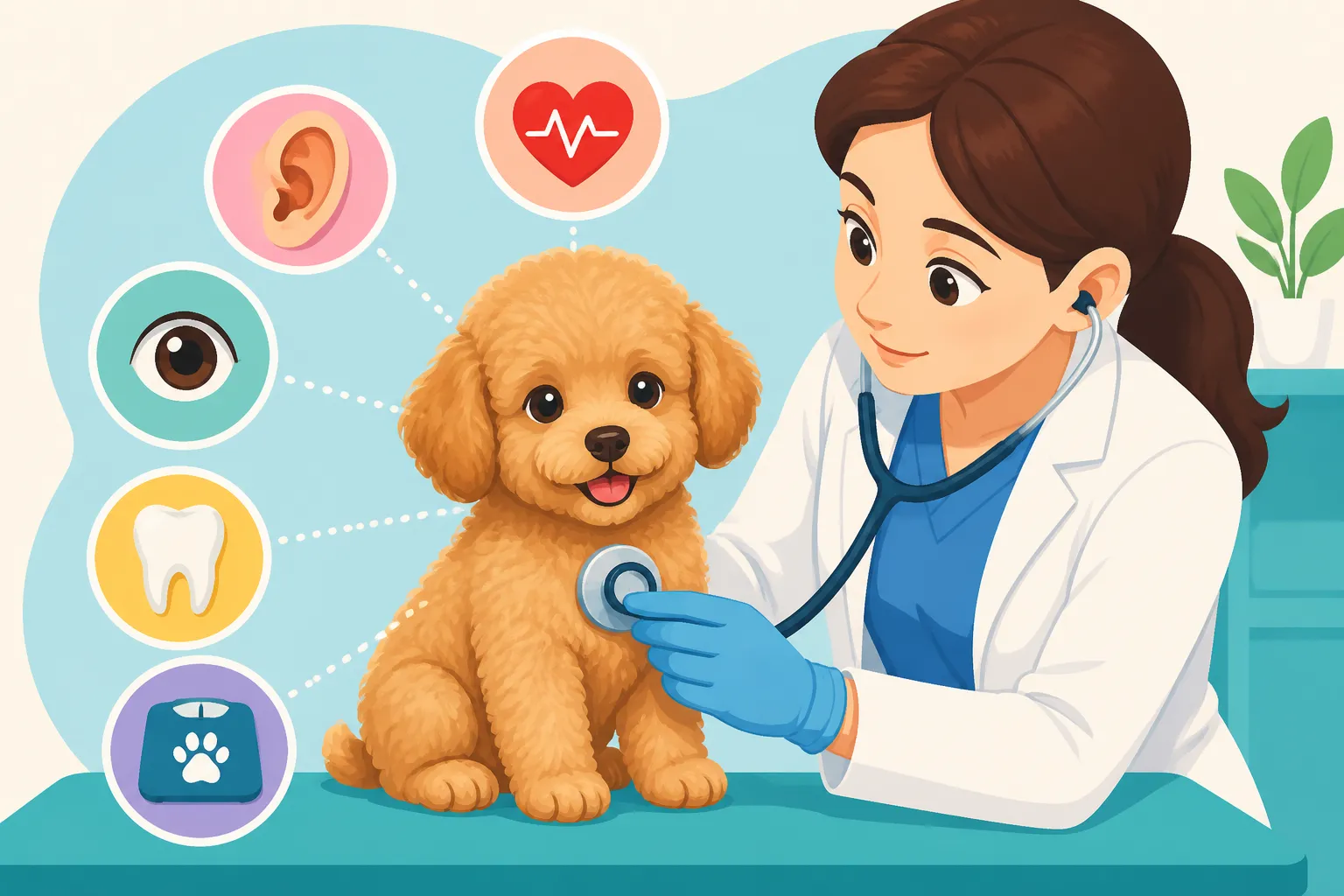
Listening to your puppy's heart is another critical step. The vet will use a stethoscope to listen to their heart rate and rhythm. They'll be checking for any irregularities, such as murmurs, which are sounds caused by turbulent blood flow. While some puppy murmurs are "innocent" and resolve on their own, others can indicate congenital heart defects. Given their small size, Toy Poodles can sometimes be prone to specific heart issues, and catching any potential Heart Murmurs in an Older Toy Poodle early is vital for their long-term care. They will also assess the quality of the pulse, checking if it is strong and consistent.
The vet will also pay close attention to your puppy's respiratory rate and effort. They’ll listen to their lungs, checking for any abnormal sounds like wheezing or crackling. They’ll also observe your puppy’s breathing, looking for any signs of respiratory distress, such as labored breathing, panting excessively without exertion, or blue-tinged gums. Toy Poodles, like other small breeds, can be more susceptible to conditions affecting the trachea and lungs, so a thorough respiratory check is particularly important. Finally, they'll check your puppy's hydration status by gently lifting a fold of skin on their neck or back to see how quickly it returns to normal (skin turgor) and by examining the moistness and color of their gums and mucous membranes. Pink, moist gums are a good sign of healthy hydration.
Head-to-Tail Inspection for Toy Poodle Specifics
Beyond the general physical, your veterinarian will conduct a meticulous inspection of specific body parts, paying extra attention to areas where Toy Poodles can have breed-specific concerns. This detailed approach ensures that no stone is left unturned in assessing your little one's health, often addressing potential vulnerabilities unique to their tiny stature. It’s this specificity that makes a huge difference in preventative care for Poodles.
Eyes, Ears, and Mouth
First, the vet will carefully examine your puppy’s eyes. They'll check for clarity, ensuring there's no cloudiness, redness, or excessive discharge. They'll also look for signs of infection, inflammation, or any genetic issues that might be present. For many Toy Poodle owners, tear staining is a common concern. Your vet might discuss why your Why a Poodle's Tear Stains Turn Red and offer advice on managing them, differentiating between cosmetic staining and signs of an underlying problem like blocked tear ducts or allergies. Early detection of eye problems can prevent discomfort and more serious conditions down the line.
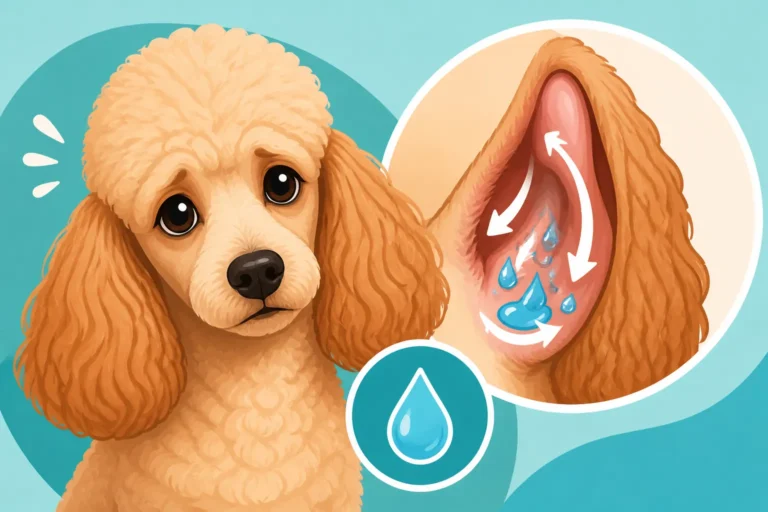
Next, it’s on to those adorable drop ears. The vet will gently lift them to examine the ear canals. They’re looking for cleanliness, any unusual odor, discharge, or signs of ear mites. Poodles, with their long, floppy ears and the hair that grows inside the ear canal, are particularly prone to Ear Infections Under a Poodle's Drop Ears. Your vet will likely discuss proper ear cleaning techniques and whether plucking the hair from the ear canal is necessary for your particular puppy to help prevent future issues. This preventative care can save a lot of discomfort and vet visits later on.
The oral examination is also very important, especially for a Toy Poodle puppy. The vet will carefully open your puppy’s mouth to examine their gums, checking for a healthy pink color. Pale or blue gums can indicate serious issues. They’ll also check their teeth. Puppy teeth are small and sharp, and sometimes they don't fall out when the adult teeth come in, leading to what are called retained deciduous teeth. Your vet will look for signs of Retained Baby Teeth in a Toy Poodle, which can cause dental problems like crowding, misalignment, and increased risk of dental disease later if not addressed. They'll also check for a proper bite and, critically, for a cleft palate, a congenital defect where the roof of the mouth doesn't fully close, which can make feeding difficult and lead to aspiration.
Legs, Paws, and Neurological Reflexes
Moving down to their tiny legs and paws, the vet will meticulously check each joint. This involves gently manipulating the legs to assess their range of motion, check for any pain response, or signs of instability. A significant concern for Toy Poodles, like many small breeds, is patellar luxation, where the kneecap slips out of place. The vet will carefully palpate the knees to feel for any looseness or clicking that might indicate Luxating Patella in Toy and Miniature Poodles. Early detection allows for monitoring and, if severe, planning for potential future interventions to prevent arthritis and pain.
The paws themselves will get a thorough inspection. The vet will check the paw pads for any cuts, cracks, or tenderness. They'll also look at the nails, ensuring they're not overgrown and checking the spaces between the toes for any irritation, redness, or foreign bodies like foxtails. Sometimes, puppies can get little cysts or infections between their paw pads, so a careful check here is always part of the routine. Their tiny pads are their main contact with the world, so keeping them healthy is paramount.
Finally, a basic neurological assessment will be conducted. This usually involves observing your puppy’s coordination, balance, and general responsiveness. The vet might perform simple reflex tests to ensure their nervous system is developing correctly. While serious neurological issues in puppies are rare, this check helps confirm that your Toy Poodle puppy is meeting developmental milestones and doesn't exhibit any red flags that might require further investigation. This overall assessment helps paint a complete picture of their physical health.
Essential Health Screenings and Preventative Care
Beyond the visual and tactile examination, a Toy Poodle puppy's first vet visit is the perfect time to establish a strong foundation of preventative care. This means addressing potential hidden threats like parasites and ensuring your puppy is protected through vaccinations. These steps are crucial for their immediate well-being and their long-term health, helping them grow into robust and happy adults.
Parasite Checks and Prevention
One of the first things your vet will do is ask for a fresh stool sample from your puppy for a fecal exam. This microscopic examination is vital for detecting internal parasites, such as roundworms, hookworms, whipworms, coccidia, and giardia, all of which are common in puppies. Many puppies are born with intestinal worms or acquire them very early in life from their mother or the environment. These parasites can cause a range of issues from poor growth and dull coats to vomiting, diarrhea, and even anemia, which is especially dangerous for tiny Toy Poodles.
Based on the fecal exam results, or sometimes as a standard prophylactic measure, your vet will recommend or administer a deworming protocol. Most puppies require a series of deworming treatments to effectively eliminate all stages of common intestinal parasites. It’s not a one-and-done deal, as many dewormers only kill adult worms, meaning follow-up doses are necessary as eggs hatch and larvae mature. Your vet will explain the schedule and type of dewormer best suited for your puppy's specific needs.
Beyond intestinal parasites, your vet will also discuss the importance of heartworm prevention and flea/tick control. Heartworm disease, spread by mosquitoes, is a serious and potentially fatal condition, and prevention is far safer and more cost-effective than treatment. Fleas and ticks can cause skin irritation, anemia (again, a concern for small puppies), and transmit other diseases. Your vet will help you choose appropriate and safe preventative products, keeping in mind the small size and delicate nature of a Toy Poodle. They can advise you on products like NexGard, Bravecto, or Simparica, and discuss options for Heartworm Preventives Sized by Poodle Variety and effective yet gentle Flea Products Safe for a Toy Poodle that won't overwhelm your little one's system.
Vaccinations and Microchipping
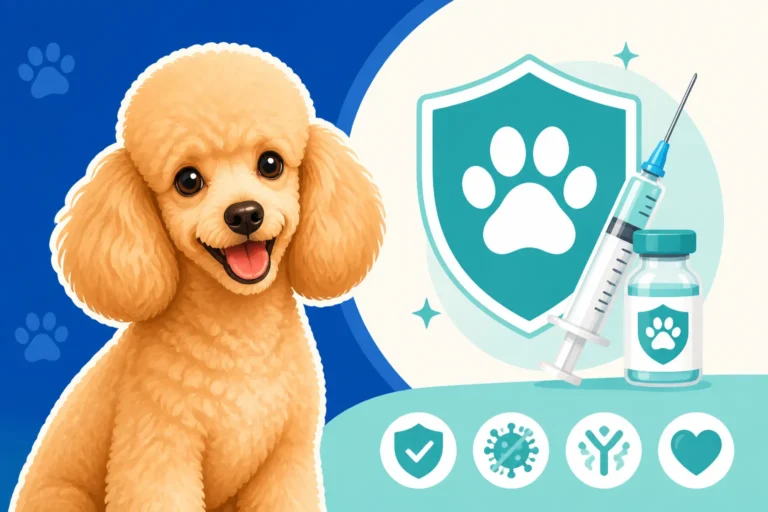
Vaccinations are a cornerstone of puppy preventative care. Your vet will review any existing vaccine records your breeder or rescue provided and then outline a comprehensive vaccination schedule for your Toy Poodle puppy. This typically includes a series of core vaccines (distemper, adenovirus, parvovirus, and parainfluenza, often combined into a single shot) administered every 3-4 weeks until your puppy is around 16 weeks old. They’ll ensure your puppy receives the appropriate Vaccine Doses and the Two Pound Toy Poodle, as dosages can sometimes be adjusted for exceptionally small pups.
The rabies vaccine is also mandatory in most regions and is usually given as a single shot around 3-4 months of age. Your vet will explain the importance of these vaccines in protecting your puppy from highly contagious and often deadly diseases. They’ll also discuss non-core vaccines, such as Bordetella (kennel cough) or leptospirosis, if your puppy's lifestyle or local risk factors warrant them. Understanding the schedule and reasons behind each vaccine helps you make informed decisions for your pup's protection.
Microchipping is another crucial service often offered at the first puppy visit. This simple, quick procedure involves implanting a tiny chip, about the size of a grain of rice, under your puppy's skin, usually between their shoulder blades. The microchip contains a unique identification number that can be scanned by any vet clinic or animal shelter. It’s a permanent form of identification that significantly increases the chances of being reunited with your beloved Toy Poodle if they ever get lost. It's a small investment for immense peace of mind.
Finally, your vet will likely open a conversation about desexing your Toy Poodle puppy. While the procedure won't happen at this first visit, they will discuss the benefits (like preventing unwanted litters, reducing the risk of certain cancers, and mitigating some behavioral issues) and the ideal timing. For Toy Poodles, specifically, there can be discussions around how Neutering a Toy Poodle and Joint Growth might be considered, with some vets suggesting waiting until skeletal maturity to allow hormones to contribute to proper bone development, although practices vary. This is a great opportunity to ask about the pros and cons specific to your puppy’s size and breed.
Discussions with Your Veterinarian
The first vet visit isn't just about what the vet does to your puppy; it's equally about the conversation you have with them. This is your chance to get expert advice tailored specifically for your Toy Poodle, ensuring you're equipped with all the knowledge to provide the best possible care. Don't be shy about bringing a list of questions – vets appreciate engaged owners!
Nutrition and Feeding Guidelines
One of the most critical topics for a tiny Toy Poodle puppy is nutrition. Your vet will discuss proper puppy food choices, emphasizing a high-quality, small-breed puppy formula that meets their specific nutritional needs for growth. They'll also advise you on feeding frequency and precise portion sizes. For Toy Poodles, in particular, maintaining consistent blood sugar levels is paramount. Your vet will likely stress the importance of frequent, small meals throughout the day to prevent dangerous drops in blood sugar, a condition known as hypoglycemia. You’ll learn How Often a Toy Poodle Puppy Must Eat to keep them healthy and energetic.
They'll also ask about your puppy's current eating habits and address any concerns you might have, such as picky eating, refusal to eat, or signs of digestive upset like diarrhea or vomiting. It's not uncommon for puppies to experience some stomach issues during the transition to a new home or food, and your vet can provide guidance on how to manage these gently. They might suggest specific probiotic supplements or bland diet recommendations if needed, ensuring your puppy's tiny digestive system is supported during this vulnerable time.
Having a clear understanding of what and how much to feed your Toy Poodle is crucial for their rapid development and overall health. They can explain how to gradually transition foods if you plan to change their diet, and which human foods are strictly off-limits. This foundational knowledge will empower you to nourish your tiny companion effectively and prevent diet-related health issues down the road.
Behavioral and Home Care Advice
Beyond the medical, your vet is a fantastic resource for all aspects of puppy care. They'll likely offer advice on essential training and socialization, which are particularly important for a sensitive and intelligent breed like the Poodle. This includes tips for house training your Toy Poodle, establishing a routine, and safely socializing them to new sights, sounds, and people even before their vaccine series is complete. Positive reinforcement methods are especially crucial for Poodles, who thrive on gentle guidance. Your vet might offer advice on getting a Toy Poodle puppy used to being handled early on to make future grooming and vet visits less stressful.
Grooming is another significant topic for Poodle owners. Your vet can provide initial guidance on the importance of regular brushing to prevent matting, nail trims, and ear cleaning. While a professional groomer will handle the more intricate clipping, establishing a positive routine at home for basic maintenance is vital from a young age. They can show you how to safely clean those drop ears and how to check for any early signs of dental disease, a common concern for small breeds.
Crucially, this is your opportunity to voice all your concerns, no matter how small they seem. Whether it’s about a funny habit, a specific behavioral quirk, or a health worry you've noticed, your vet is there to listen and provide professional insight. They can help distinguish between normal puppy behavior and something that might need attention. They might also discuss the benefits of pet insurance, such as Healthy Paws, which can provide financial peace of mind for unexpected health issues, protecting you from potentially high costs should your Toy Poodle develop conditions later in life like Hypoglycemia in a Toy Poodle Puppy or require surgery for a luxating patella. Having these conversations early sets the stage for a lifetime of good health and a strong bond with your tiny Poodle.
Here's a quick summary of what your vet will check:
| Category | Specific Checks | Why It Matters for a Toy Poodle Puppy |
|---|---|---|
| General Physical Exam | Overall demeanor, gait, body condition score, coat/skin for parasites/irritations, abdominal palpation, lymph nodes | Essential baseline; small size means rapid changes; early detection of skin issues or internal discomfort. |
| Vital Signs | Temperature, heart rate/rhythm, respiratory rate/effort, hydration status | Tiny systems are vulnerable; detecting murmurs or respiratory issues early is critical; prompt recognition of fever or dehydration. |
| Head-to-Tail Inspection | Eyes (clarity, discharge, tear staining), Ears (cleanliness, mites, infection), Mouth (gums, teeth, palate) | Prone to tear staining, ear infections due to drop ears, retained baby teeth, and checking for congenital defects like cleft palate. |
| Joint & Mobility Check | Joint manipulation (knees, hips, elbows), paw pads, nails, neurological reflexes | High risk for patellar luxation; ensuring proper development of small, delicate joints; checking for any early signs of limping or pain. |
| Parasite Screening | Fecal exam for intestinal worms, discussion on heartworm/flea/tick prevention | Puppies often have worms; preventing anemia and discomfort; ensuring safe and appropriate doses for their small size. |
| Vaccinations & ID | Review vaccine records, plan puppy series (DAPP, Rabies), Microchipping | Building immunity against deadly diseases; permanent ID for safety; tailored vaccine doses for tiny pups. |
| Discussions & Counseling | Nutrition, feeding frequency, house training, socialization, basic grooming, behavioral concerns, pet insurance | Preventing hypoglycemia; establishing good habits; addressing breed-specific grooming needs; fostering a strong owner-vet relationship. |
Disclaimer
The information provided in this article is for general informational purposes only, and does not constitute veterinary advice. Always consult with a qualified veterinarian for any health concerns or before making any decisions about your pet's health or treatment plan.