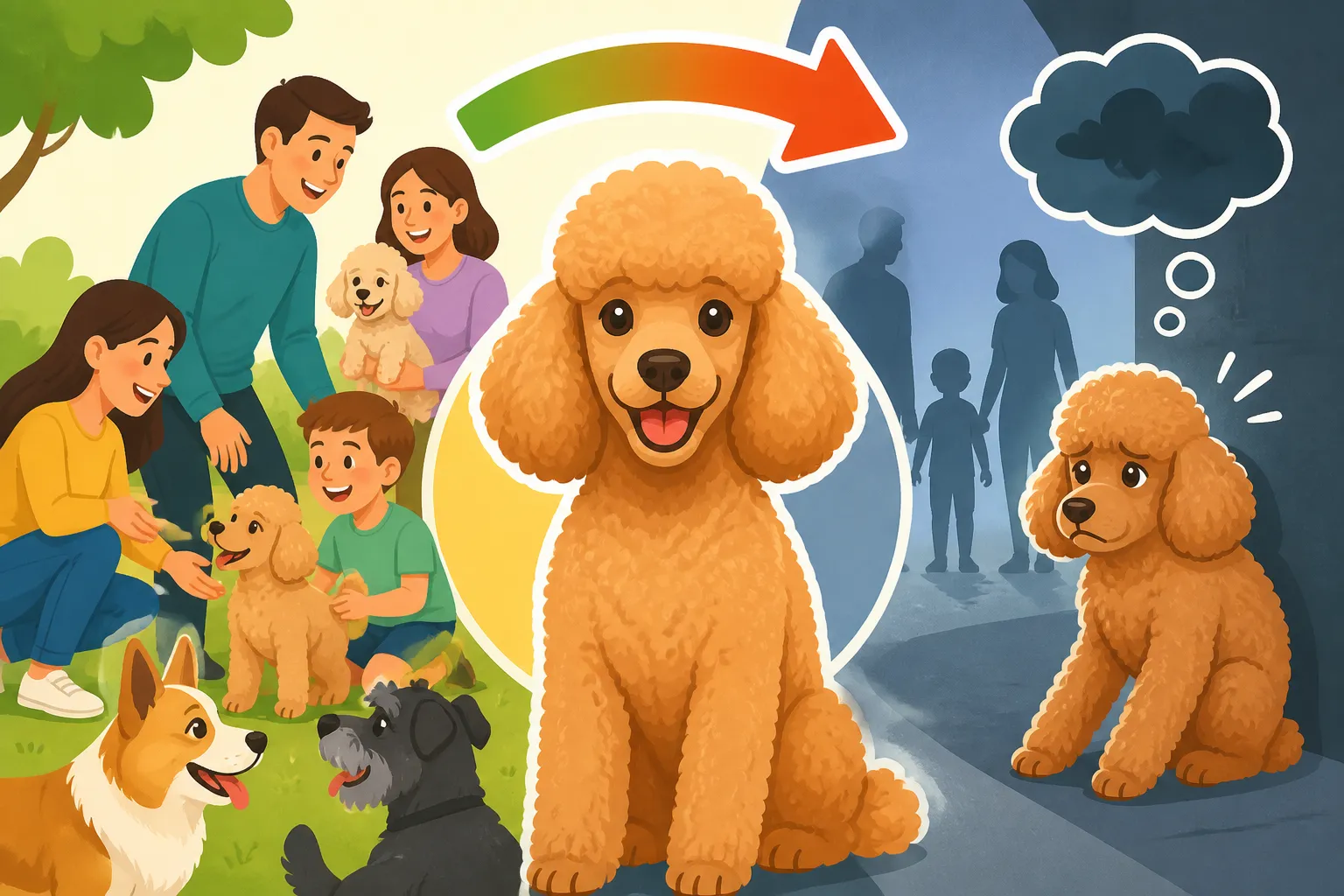
Socializing a Poodle Before It Turns Wary
It’s a common heartache for Poodle owners: you bring home a fluffy, intelligent puppy, full of promise, only to watch them become increasingly shy, fearful, or even reactive as they mature. This isn't just about manners; it's about their quality of life. Without intentional, positive early experiences, a Poodle's natural sensitivity can lead to a wary disposition that makes everything from vet visits to walks around the block a source of stress. This comprehensive guide will walk you through exactly how to socialize your Poodle effectively, ensuring they develop into a confident, resilient, and joyful companion.
Understanding the Poodle's Natural Temperament and Sensitivity
Poodles are celebrated for their intelligence and elegance, but beneath that curly coat lies a highly sensitive and perceptive nature. This isn't a flaw; it's a characteristic that makes them incredibly attuned to their human companions and their environment. However, this same sensitivity, if not properly channeled and nurtured through early socialization, can unfortunately manifest as timidity, fear, or even reactivity when faced with novel situations or people. Understanding this foundational aspect of the Poodle temperament is the first step toward building a confident dog.
The Poodle's Innate Intelligence and Observation Skills
Poodles consistently rank among the most intelligent dog breeds, often second only to the Border Collie in many intelligence rankings. This high intelligence isn't just about learning tricks quickly; it means they are constantly observing, processing, and making connections about the world around them. A Poodle isn't just seeing a new person; they're noticing their gait, their tone of voice, the way they smell, and how you react to them. They're trying to figure out if this new stimulus is a threat or a friend, and they’re incredibly adept at picking up on subtle cues from their surroundings and from you.
This keen observational skill can be a double-edged sword. On one hand, it allows them to learn quickly and adapt to new situations if those situations are presented positively and safely. On the other hand, it means they are also quick to identify and remember negative or frightening experiences. A single scary encounter with a loud child or an overzealous dog can leave a lasting impression on a sensitive Poodle, shaping their future reactions to similar stimuli. Their smarts mean they generalize rapidly, so one bad experience can create a much broader aversion.
Why Sensitivity Can Lead to Wary Behavior
The Poodle’s sensitivity goes hand-in-hand with their intelligence. They often have a finer-tuned nervous system, making them more susceptible to stress, loud noises, sudden movements, or even changes in routine. What might be a minor blip for a less sensitive breed—a dropped pot in the kitchen, a stranger approaching too quickly—can be a significant event for a Poodle. This isn't about being "neurotic" or "weak"; it’s simply how they are wired.
If these sensitive reactions are not managed with patience and positive exposure during their formative months, they can easily snowball into wary behavior. A Poodle might learn that the best way to cope with overwhelming situations is to retreat, bark, or even nip, because those strategies have (in their mind) successfully created distance from the scary thing. This can lead to a dog who is uncomfortable with new experiences, people, or places, always on edge and seeking to avoid confrontation rather than engage confidently. It’s crucial to remember that fear is a powerful motivator, and a Poodle’s intelligence will help them find ways to avoid what they perceive as threatening. Reading Pain in a Sensitive Poodle can be a difficult skill for many owners, but it's essential when preventing wary behavior.
Early Signs of Caution or Fear in Poodle Puppies
Recognizing the subtle cues of caution or fear in a Poodle puppy is vital. It’s rarely an overt growl or snap in the very beginning; it’s far more nuanced. You might notice your puppy freezing momentarily, their tail tucking slightly, or their ears pulling back when a new sound or person enters the room. They might try to hide behind your legs, refuse a treat, or simply become very still and quiet, observing rather than engaging. Sometimes, they might even yawn excessively or lick their lips in an otherwise calm situation—these are often "calming signals" indicating stress.
Another common sign is reluctance. A puppy might hesitate before approaching a new object, person, or dog. They might avoid eye contact or try to duck away when being petted by someone unfamiliar. If these early signs are dismissed or, worse, if the puppy is forced into uncomfortable situations, their caution can quickly escalate into full-blown fear, making future socialization much more challenging. Observing these small signals allows you to intervene gently, creating positive associations before fear takes root.
The Critical Socialization Window for Poodles
Every puppy has a critical socialization window, and for Poodles, given their inherent sensitivity, this period is especially important. This window typically runs from about 3 weeks to 16 weeks of age, though positive exposure should continue throughout their first year and beyond. During this time, a puppy's brain is like a sponge, rapidly absorbing information and forming associations that will shape their adult personality. Missing this window, or filling it with negative experiences, can have profound, long-lasting consequences for your Poodle's confidence and adaptability.
The "Fear Periods" and How They Impact Socialization
Within the broader socialization window, puppies also go through specific "fear periods" – typically around 8-11 weeks and again between 6-14 months. During these times, puppies can suddenly become very sensitive to new experiences or even familiar ones, reacting with heightened caution or fear to things that previously didn't bother them. It's a natural developmental stage, thought to be an evolutionary mechanism to teach young canids what is genuinely dangerous. For a Poodle, whose sensitivity is already high, these periods can be particularly pronounced.
During a fear period, it's crucial not to push your Poodle or force them into situations that scare them. A single traumatic event during a fear period can create a lifelong phobia. Instead, continue with positive, gentle exposure, focusing on creating safe and positive associations. If your puppy suddenly becomes wary of something, back off, observe, and reintroduce it slowly and calmly with lots of treats and praise. The key is controlled, positive experiences, allowing your Poodle to choose to approach rather than being overwhelmed. The Weeks That Set a Poodle's Nerve are really those early months where you have the greatest impact.
Balancing Socialization with Vaccine Schedules
One of the biggest dilemmas for new Poodle owners is the conflict between the critical socialization window and the puppy vaccination schedule. Veterinarians rightly advise caution about exposing unvaccinated puppies to public places where they might contract serious diseases like parvovirus or distemper. However, waiting until a puppy has completed their full vaccine series (often around 16 weeks) means missing a significant portion of that crucial socialization window. This can lead to a puppy who is physically protected but mentally fragile and undersocialized.
The solution lies in managed socialization. You don't need to take your unvaccinated puppy to a busy dog park (please don't!). Instead, focus on safe, controlled environments. This includes inviting vaccinated, friendly adult dogs over to your home, or taking your puppy to carefully screened puppy classes where all participants are up-to-date on their initial vaccinations. You can also carry your puppy in a sling or stroller to public places, allowing them to observe the world from a safe distance without touching the ground. Many responsible breeders will begin this process even before you bring your puppy home. This delicate balance is something many Poodle owners fret over, but there are definitely ways to keep your pup safe while still giving them vital experiences. For more detailed guidance on this, consider reading Socializing a Poodle Before Shots Finish.
The Consequences of Undersocialization
The long-term effects of undersocialization on a Poodle can be profound and heartbreaking. An undersocialized Poodle might grow up to be fearful of strangers, barking aggressively or hiding when new people approach. They might be terrified of other dogs, making walks a tense ordeal. Common experiences like a trip to the vet, a groomer appointment, or even a car ride can become incredibly stressful and challenging for both the dog and the owner. This isn't just an inconvenience; it can severely limit your Poodle’s quality of life and your ability to enjoy activities together.
In severe cases, undersocialization can lead to anxiety disorders, phobias, and even aggression born out of fear. A Poodle who hasn't learned to cope with the normal sights, sounds, and interactions of the world may live in a constant state of low-level stress, always vigilant for perceived threats. This can even impact their physical health over time. Preventing this outcome requires intentional, consistent, and positive effort during their early months and throughout their lives.
Strategies for Positive Exposure to People
For a Poodle, positive interactions with a wide variety of people are paramount. Their keen observation skills mean they will quickly differentiate between different types of humans – men, women, children, people with hats, people with glasses, people with different gaits or voices. The goal is to expose them to as many different "types" of friendly humans as possible, in a way that builds confidence and positive associations, not fear.
Controlled Introductions to Diverse Individuals
The best way to introduce your Poodle puppy to new people is through controlled, positive interactions. Don't let every stranger rush up to your puppy and grab them. Instead, invite friends and family members over, ensuring they understand the rules of engagement. Ask them to approach calmly, speak in soft voices, and offer a high-value treat gently. It's often helpful for people to ignore the puppy at first, allowing the Poodle to approach them on their own terms. This empowers the puppy and builds trust.
Focus on exposing your Poodle to a diverse range of people: men with deep voices, women with high voices, people wearing hats, people with beards, people using wheelchairs, people of different ethnicities and ages. Each new "type" of person your puppy has a positive interaction with helps them generalize that people, in general, are safe and friendly. Keep interactions short, sweet, and always end on a positive note. Remember, quality over quantity is key here.
Teaching Children to Handle a Toy Poodle
Children, with their unpredictable movements, loud voices, and sometimes grabby hands, can be a particular challenge for a sensitive Poodle, especially smaller varieties like Toys and Miniatures. It's vital to teach children how to interact respectfully and safely with your Poodle, and equally important to teach your Poodle to be comfortable around children. This is a two-way street that requires supervision and clear boundaries. If you have children in the home, this topic warrants careful consideration, and you might find A Poodle Meeting the Children of the House to be a helpful read.
Always supervise interactions between children and your Poodle. Teach children to approach calmly, offer a flat hand for sniffing, and pet gently on the shoulders or chest, avoiding the head or tail. Never allow children to chase, pull on, or tease the puppy. Teach your Poodle that children mean good things – treats, gentle play, and quiet praise. It can be helpful to have your Poodle on a leash during initial interactions, allowing you to easily guide them away if they become overwhelmed. Positive experiences with well-behaved children will help your Poodle develop a positive association with kids in general, which is invaluable for a family pet.
Positive Experiences with Strangers and Visitors
Once your Poodle puppy is comfortable with familiar faces, it's time to generalize those positive experiences to a wider circle of strangers and visitors. Again, control is key. When someone new comes to your home, have them give your Poodle a treat (ideally, one they love). Ask visitors to avoid staring directly at your Poodle or making sudden movements. If your Poodle seems hesitant, have the visitor sit down and ignore them, letting the puppy initiate contact.
When out and about, practice "meet and greets" with friendly strangers. Always carry high-value treats. If someone asks to pet your Poodle, you can politely say, "Yes, but please let me give them a treat first, and then you can pet them gently under the chin." This sets your Poodle up for success, teaching them that strangers often mean good things. Forcing interactions or allowing strangers to overwhelm your Poodle can easily backfire, creating a negative association that’s hard to undo. Remember, even though Poodles are generally social, they still need to learn that new people are not a threat.
Introducing Your Poodle to Other Dogs and Animals
Proper socialization isn't just about people; it's also about teaching your Poodle to navigate interactions with other dogs and, if applicable, other species. A well-socialized Poodle should be able to calmly coexist with, and enjoy appropriate play with, other dogs, respecting boundaries and body language. This skill set is developed through carefully managed, positive exposures, not random encounters.
Safe Puppy Playdates and Classes
Puppy playdates and puppy classes are invaluable tools for socializing your Poodle with other dogs. Puppy classes, especially those structured with knowledgeable trainers, offer a safe and supervised environment for puppies to interact, learn bite inhibition, and practice appropriate play behaviors. Look for classes that separate puppies by size and temperament, ensuring your Poodle isn't overwhelmed by much larger or more boisterous playmates. Online programs like those offered by BAXTER & Bella can also provide structured guidance for these early interactions, often complementing in-person experiences.
If you organize playdates, ensure the other dogs are fully vaccinated, have good temperaments, and are known to be friendly with puppies. Start with short, positive sessions and always supervise closely, intervening if play becomes too rough or one dog is clearly uncomfortable. The goal is positive association – your Poodle should learn that other dogs are fun and safe, not scary or intimidating. Watching your Poodle engage in happy, appropriate play is truly one of the joys of dog ownership.
A Poodle Puppy Meeting the Resident Dog
If you already have another dog at home, introducing a new Poodle puppy requires careful planning to ensure a smooth transition and positive relationship. Never simply throw them together and hope for the best. Initial introductions should be done in a neutral territory, if possible, or at least in a calm, controlled environment in your home. Keep both dogs on leashes initially, allowing them to sniff each other for brief periods. Reward calm behavior with treats and praise.
Supervise all interactions closely, especially in the first few days and weeks. Ensure your resident dog has a safe space to retreat to if they need a break from the energetic puppy. Teach your puppy to respect the older dog's boundaries. Providing separate feeding areas and toys can help prevent resource guarding issues. A well-managed introduction will lay the foundation for a lifelong bond. For more in-depth advice on this specific situation, refer to A Poodle Puppy Meeting the Resident Dog.
A Poodle Meeting the Household Cat
Introducing a Poodle to a resident cat can be tricky, as Poodles often have a natural prey drive, stemming from their retrieving heritage. The key is slow, gradual introductions and strict supervision. Start with scent swapping – allow the cat and puppy to smell each other's bedding. Then, progress to visual introductions through a baby gate or crate, rewarding calm behavior from both animals. The goal is for the Poodle to learn that the cat is a housemate, not prey. This often means teaching the Poodle to "leave it" when focusing on the cat.
Never leave your Poodle and cat unsupervised until you are absolutely certain they can coexist peacefully. Ensure your cat always has escape routes and high places to retreat to. Use positive reinforcement to reward your Poodle for calm, non-reactive behavior around the cat. With patience and consistency, many Poodles can learn to live harmoniously with feline companions, but it’s a process that requires vigilance. More specific strategies can be found in A Poodle Meeting the Household Cat.
Positive Encounters with Different Breeds and Sizes
Beyond just friendly dogs, it's important for your Poodle to have positive encounters with a variety of dog breeds, shapes, and sizes. A Toy Poodle, for example, needs to learn that a Great Dane isn't inherently scary, and a Standard Poodle needs to understand that a Chihuahua isn't a toy. This broad exposure helps prevent your Poodle from developing anxieties or biases towards certain types of dogs later in life.
Again, these encounters should be controlled and positive. Avoid dog parks where you can't control the other dogs' temperaments or vaccination status, especially for puppies. Instead, arrange walks with friends who have different breeds, ensuring the dogs are introduced calmly on parallel walks before any direct interaction. Reward your Poodle for calm observation and gentle greetings. The more diverse positive experiences they have, the more confident and well-adjusted they will be in the wide world of canines.
Desensitizing Your Poodle to Sounds, Sights, and Environments
The world is a noisy, bustling place, full of strange sights and varied environments. For a sensitive Poodle, these can be overwhelming if they haven't been gradually and positively introduced. Desensitization means exposing your Poodle to these stimuli at a low intensity, pairing them with positive experiences, until your Poodle learns to perceive them as normal and non-threatening.
Everyday Household Noises and Appliances
Even inside your home, there's a symphony of sounds that can startle a Poodle puppy: the vacuum cleaner, the doorbell, the washing machine, the blender, TV noise, and even human sneezes or coughs. Start introducing these sounds from day one. Play recordings of various noises at a low volume while your puppy is relaxed and receiving treats or playing with a favorite toy. Gradually increase the volume over days and weeks, always ensuring your puppy remains comfortable.
When using actual appliances, introduce them gradually. For example, turn the vacuum on in another room for a few seconds, then off. Reward your puppy for calm behavior. Slowly bring the vacuum closer, increasing the duration it’s on, always pairing it with treats and praise. The goal is for your Poodle to associate these sounds with positive things, not fear. This proactive approach can prevent issues like your Poodle barking frantically every time the doorbell rings or hiding when the blender is on.
Sound Work for a Noise-Sensitive Poodle
Beyond household noises, Poodles, particularly some lines, can be prone to noise sensitivity, especially to sudden or loud sounds like thunderstorms or fireworks. Proactive sound work can make a huge difference. You can find many sound desensitization tracks online or use apps that provide specific sounds for pets. Start playing these sounds at an almost imperceptible volume while your Poodle is eating or playing.
The key is to keep the volume so low that your Poodle barely registers it, or registers it but doesn't react negatively. Over many days and weeks, slowly, incrementally increase the volume. If your Poodle shows any sign of stress (ears back, tail tucked, panting), decrease the volume immediately. Pair the sounds with highly rewarding activities, like a special chew toy or a game of fetch. The goal is to change their emotional response from fear to indifference or even positive anticipation. For comprehensive guidance on this, consult Sound Work for a Noise-Sensitive Poodle. Many owners find white noise machines or specific calming music on platforms like Amazon helpful in creating a more serene environment for noise-sensitive dogs.
Exploring New Places and Surfaces
A well-socialized Poodle should be comfortable walking on various surfaces (grass, pavement, gravel, tile, wood, carpet), navigating different types of environments (busy streets, quiet parks, pet stores), and encountering a range of objects (strollers, bicycles, skateboards). Just like with sounds, introduce these gradually and positively.
Take your puppy on short, frequent outings to different locations. Start with quiet parks, then gradually expose them to busier areas. Walk on different types of sidewalks and explore grassy patches. Let them investigate new objects from a safe distance, rewarding their curiosity and calm demeanor. Never force your Poodle onto a scary surface or past a frightening object. If they hesitate, give them space, encourage them gently with treats, and let them approach at their own pace. Each positive exploration builds their confidence in navigating the world.
Car Sickness in a Toy Poodle
Car rides, for some Poodles, particularly smaller ones, can be a source of stress and even physical discomfort, like car sickness. This can severely limit socialization opportunities if your Poodle dreads the car. Early, positive introductions to the car are crucial. Start by simply letting your Poodle sit in the parked car with you, offering treats and praise. Don't even turn the engine on.
Once they are comfortable in a stationary car, move to short, gentle trips around the block. Keep these initial rides very brief and always end them with something fun, like a walk in a favorite park or a special treat at home. Gradually increase the duration and distance of rides. If your Poodle experiences car sickness, talk to your vet about remedies, but also focus on desensitization. A safe and comfortable car carrier can also make a huge difference, making them feel secure. This topic is so common with little ones that we’ve covered it in depth in Car Sickness in a Toy Poodle.
The Role of Training and Ongoing Reinforcement
Socialization isn't a one-and-done event; it's an ongoing process that benefits immensely from consistent training and reinforcement throughout your Poodle's life. Training provides structure, builds confidence, and gives your Poodle the tools to navigate the world calmly. It also strengthens your bond, making you a trusted guide in their eyes.
Building Confidence Through Obedience Training
Obedience training is more than just teaching commands; it's about building a common language and mutual trust. For a Poodle, whose intelligence means they want to learn, positive reinforcement-based training can be incredibly empowering. When a Poodle understands what's expected of them and is rewarded for successful completion, their confidence soars. Commands like "sit," "stay," "come," and "leave it" give you practical tools to manage your Poodle in novel situations, preventing them from becoming overwhelmed or engaging in undesirable behaviors.
Enroll in a reputable puppy class or work with a positive reinforcement trainer. These settings not only teach your Poodle basic manners but also provide controlled socialization opportunities with other dogs and people. A well-trained Poodle is a confident Poodle, capable of focusing on you even amidst distractions, which is crucial for successful outings and interactions. Programs like BAXTER & Bella offer comprehensive online puppy training that can be a great resource for laying this foundation right from home.
Continual Exposure Beyond Puppyhood
While the critical socialization window closes around 16 weeks, socialization should never truly stop. Adolescence (from roughly 6 months to 2 years, depending on size) can bring new challenges, as Poodles mature and sometimes develop new fears or react differently to familiar stimuli. Continue exposing your Poodle to new people, places, sounds, and experiences throughout their lives, always keeping it positive and at their comfort level.
Regular trips to different parks, walks in new neighborhoods, visits to pet-friendly stores (if your Poodle enjoys them), and meeting new people will keep their minds flexible and adaptable. If you notice your Poodle becoming wary of something they once tolerated, gently re-introduce it as you would with a puppy, using treats and positive reinforcement. Lifelong learning and exposure are key to maintaining a well-adjusted and confident Poodle. For more on what your Poodle puppy should be experiencing, refer to What a Poodle Puppy Should Meet by Sixteen Weeks.
Seeking Professional Help for Wary Behavior
If, despite your best efforts, your Poodle continues to exhibit significant wary behavior, shyness, fear, or reactivity, it's crucial to seek professional help. Don't wait, hoping they'll "grow out of it." Fear and anxiety, if left unaddressed, tend to worsen over time. A certified professional dog trainer or a veterinary behaviorist can help you understand the root cause of your Poodle's behavior and develop a tailored plan to address it.
Look for professionals who use positive reinforcement and force-free methods. Poodles are sensitive, and harsh training techniques can exacerbate fear and damage your relationship. A good trainer will help you teach your Poodle coping skills, build their confidence, and guide you through controlled desensitization and counter-conditioning exercises. Investing in professional guidance early can prevent small issues from becoming significant behavioral problems. For tips on finding the right expert, read Finding a Trainer a Poodle Will Not Shut Down For.
Common Pitfalls and How to Avoid Them
Even with the best intentions, owners can inadvertently make mistakes that hinder their Poodle's socialization. Recognizing these common pitfalls is just as important as knowing the right strategies, allowing you to steer clear of scenarios that could undermine your efforts and create a wary Poodle.
Overwhelming a Poodle with Too Much Too Soon
One of the most common mistakes is overwhelming a sensitive Poodle puppy with too much stimulation all at once. It’s easy to think, "I need to socialize my puppy, so I'll take them to a busy street fair, then a dog park, then a crowded cafe." For a Poodle, this can be sensory overload. Instead of building positive associations, it creates fear and anxiety. A Poodle might shut down, hide, or even lash out if they feel cornered and overwhelmed.
Socialization should always be gradual and controlled. Think of it like a buffet: offer small samples of many different things, but don't force your Poodle to eat everything at once. Observe your Poodle's body language closely. If they seem stressed, backing off, or trying to hide, you've gone too far, too fast. Always prioritize quality over quantity and ensure your Poodle feels safe and secure during all new exposures.
Inadvertently Reinforcing Fear
It's natural to want to comfort your frightened Poodle by petting them and saying "It's okay." However, while well-intentioned, this can sometimes inadvertently reinforce the fear. When you pet and soothe a dog who is actively showing fear, you might be teaching them that their fearful reaction (trembling, hiding) is what earns them attention and comfort. They associate the scary thing with your soothing, making the connection that the scary thing is indeed something to be afraid of.
Instead of coddling fear, aim to redirect and counter-condition. If your Poodle is mildly nervous, distract them with a game or a high-value treat. If they are showing strong fear, create distance from the trigger, then try to engage them in a positive activity at a safe distance. The goal is to change their emotional state from fear to neutrality or even happiness when the trigger is present, rather than comforting the fear itself. This is why careful timing and positive reinforcement are so critical in desensitization.
Relying Solely on "Dog Parks" for Socialization
Dog parks are often touted as the ultimate socialization tool, but for many Poodles, especially young puppies or those with sensitive temperaments, they can be anything but. Dog parks are often uncontrolled environments where you have no idea about the temperament, vaccination status, or play style of the other dogs. A single bad experience with an overly rough, aggressive, or poorly socialized dog at a dog park can set your Poodle's socialization efforts back significantly, potentially creating lasting fear or reactivity towards other dogs.
Instead of relying on dog parks, opt for carefully curated puppy classes, small playgroups with known, friendly dogs, or parallel walks. These environments allow you to control the interactions, intervene if necessary, and ensure positive experiences. While some adult Poodles with robust confidence might enjoy dog parks, they are generally not suitable for young puppies or dogs prone to timidity or anxiety. A nuanced approach that prioritizes safety and positive interactions is always best. For a deeper look into dealing with persistent fear, consider Whether a Poodle Outgrows Reactivity.
Setting Up a "Safe Space" for Your Poodle
Even the most well-socialized Poodle needs a place to retreat, relax, and feel completely safe. This "safe space" is a vital tool in managing stress, particularly during the intense period of socialization. It gives your Poodle agency and control, allowing them to choose when they need a break from overwhelming stimuli, and reinforces the idea that your home is a secure haven.
The Importance of a Retreat Zone
Imagine being constantly bombarded with new people, sounds, and experiences without any opportunity to decompress. That's what life can feel like for a Poodle puppy during intense socialization. A dedicated retreat zone provides a sanctuary, a quiet place where your Poodle can go to feel secure and undisturbed. This might be a crate, a cozy bed in a low-traffic area, or even a specific room in the house. The key is that it's their space, respected by everyone in the household.
This retreat zone becomes particularly important during visits from guests, loud events, or after a particularly stimulating outing. Teaching your Poodle to voluntarily go to their safe space when they feel overwhelmed, and rewarding them for doing so, gives them a valuable coping mechanism. It helps prevent them from feeling trapped or forced into interactions, which can lead to stress and wary behavior.
Crate Training as a Foundation for Security
Crate training, when done correctly and positively, is one of the best ways to establish a safe space for your Poodle. A crate should never be used as punishment; rather, it should be a den-like sanctuary where your Poodle feels secure, comfortable, and can relax without interruption. Introduce the crate slowly, making it appealing with soft bedding, favorite toys, and high-value treats.
For a Poodle, who often seeks closeness with their people, Crate Training a Poodle That Wants Company can be an interesting journey. Once your Poodle views their crate as a positive, private space, it becomes an invaluable tool for managing socialization. You can put them in their crate when guests arrive, allowing them to observe calmly from a safe distance, or give them a quiet place to nap and decompress after a busy puppy class. This sense of security translates to greater confidence when they are out in the wider world.
Managing Overstimulation
Overstimulation can quickly turn a positive socialization experience into a negative one for a sensitive Poodle. It's the point where too much noise, too many people, too many new sights, or too much activity overwhelms their ability to cope. A Poodle puppy who is overstimulated might become nippy, overly rambunctious, have accidents, or conversely, completely shut down and withdraw.
Recognizing the signs of overstimulation (excessive panting, yawning, lip-licking, hyper-vigilance, frantic play, or sudden refusal to engage) is crucial. When you see these signs, it's time to reduce the intensity. Take your Poodle to their safe space for a quiet break, remove them from the stimulating environment, or simply bring the activity level down. Proactive breaks and a strong "off switch" built into their routine can prevent overstimulation, ensuring that socialization remains a positive and beneficial process for your intelligent and sensitive Poodle.
Disclaimer
This article is for general informational purposes only and does not constitute professional advice. Laws, prices and regulations vary by location and change over time. Consult a qualified professional for guidance on your specific situation.