Bathing and Drying a Poodle
If you've ever owned a Poodle, you know the absolute dread that can set in when it's time for a bath. The idea of wrestling a fluffy, energetic dog into a tub, only to then face the seemingly impossible task of getting that dense, curly coat completely dry without ending up with a matted mess, is enough to make many owners throw in the towel. This comprehensive guide is here to walk you through every single step of bathing and drying your Poodle, transforming this dreaded chore into a manageable routine that keeps their unique coat healthy and your dog happy.
Why Proper Bathing and Drying is Crucial for Poodles
Let's be real: Poodles aren't like other dogs when it comes to grooming. Their coats are a magnificent, non-shedding wonder, but that very characteristic makes them incredibly prone to matting and skin issues if not properly cared for. It’s not just about looking pretty; it’s about their overall health and comfort. Neglecting their bathing and drying routine can lead to painful tangles, skin infections, and even behavioral problems from discomfort.
The Poodle Coat's Unique Demands
Unlike dogs with fur that sheds, a Poodle has hair that continuously grows, much like human hair. This means that every loose strand, instead of falling out, gets caught within the existing coat. If this hair isn't regularly brushed out and washed correctly, it will intertwine with other hairs, forming dense, painful mats. These mats aren't just an aesthetic problem; they pull at the skin, restricting movement, and can become breeding grounds for bacteria and parasites, especially if they trap moisture. Understanding The Poodle Coat and Why It Never Stops Growing is the first step in appreciating why your bathing routine needs to be meticulous. Their coat is designed to protect them in water, but paradoxically, it demands extra care to prevent problems when you put them in water.
A matted coat can also hide underlying skin conditions, making them difficult to spot and treat early. Imagine trying to examine skin through a thick, felted blanket. It's impossible. When mats get severe, they can cut off circulation and lead to skin necrosis in extreme cases. For a Poodle, a regular, thorough bath is not a luxury; it's a fundamental part of their well-being, keeping their skin clean and allowing their hair to grow without creating painful tangles.
The Dangers of Improper Drying
This is perhaps the most overlooked, yet critical, step in Poodle grooming. Many owners focus on the washing part, only to rush the drying, or worse, let their Poodle "air dry." This is a recipe for disaster. A Poodle's dense, curly coat, when left damp, tightens and curls even further, instantly forming mats. These aren't just surface tangles; they can go right down to the skin, pulling and causing extreme discomfort. If the coat isn't completely dried, especially in the armpits, groin, and behind the ears, moisture can become trapped against the skin.
This trapped moisture creates a warm, humid environment—the perfect breeding ground for yeast and bacterial infections, commonly known as hot spots. These can appear seemingly overnight, often accompanied by intense itching, redness, and a foul odor. They are painful, difficult to treat once established, and can recur if the underlying cause (like improper drying) isn't addressed. Beyond hot spots, persistent dampness can lead to fungal infections and general skin irritation. A damp coat also takes longer to dry, making your Poodle prone to chills, especially in cooler weather, and just plain uncomfortable.
Gathering Your Poodle Bathing Arsenal
Before you even think about turning on the tap, you need to have every single item at your fingertips. Trust me, realizing you're missing a crucial tool mid-bath is a rookie mistake you only make once. Being prepared will make the process smoother, faster, and far less stressful for both you and your Poodle. Think of it as preparing for a small, wet battle—you need your full uniform and weaponry.
Essential Shampoos and Conditioners
Choosing the right products is paramount for a Poodle's sensitive skin and unique coat. You can find many excellent options for Poodle-specific shampoos on sites like Chewy. Avoid harsh detergents, artificial fragrances, and dyes that can strip natural oils or irritate the skin. Look for pH-balanced formulas designed for dogs, often labeled as "moisturizing," "hypoallergenic," or "sensitive skin." Oatmeal-based shampoos are often a good choice for their soothing properties. For Poodles prone to skin issues like sebaceous adenitis, your vet might recommend a medicated shampoo.
A good quality conditioner is not optional for a Poodle; it's a necessity. Conditioner helps to detangle, smooth the hair cuticle, add moisture back into the coat, and make brushing after the bath much easier. Without conditioner, the hair can become brittle, prone to breakage, and much more likely to mat. Shampoo and Conditioner for a Poodle Coat explores this in more detail, but for now, remember that a two-in-one shampoo/conditioner often isn't enough for a Poodle's demanding coat. Always opt for separate products. When selecting, consider your Poodle's specific needs: do they have dry skin? Are they prone to matting? Are they allergic to certain ingredients?
Must-Have Grooming Tools
Your tool kit needs to be comprehensive. First and foremost, a high-quality slicker brush is non-negotiable. It should have sturdy, flexible pins that can penetrate the dense coat without scratching the skin. You'll also need a metal greyhound comb with both wide and fine teeth for detailed work and checking for tangles. For drying, a high-velocity dryer is a game-changer. This isn't just a human hairdryer on steroids; it's specifically designed to blast water out of a dense coat without using excessive heat, which can damage hair and skin. A good quality high-velocity dryer, often available on Amazon, is an absolute game-changer.
Beyond these, you'll want absorbent towels, a grooming table with a no-sit haunch holder (a loop that gently keeps your Poodle standing), cotton balls for ears, and maybe a gentle ear cleaner. Having everything within arm's reach before the bath begins will prevent you from leaving a wet dog unattended, which can lead to quick mats or, worse, a Houdini act from the tub. Remember, investing in good tools now will save you countless headaches and potential vet bills down the line.
The Pre-Bath Ritual: Preparing Your Poodle for Success
Skipping the pre-bath prep is the number one reason Poodle owners end up with matted dogs. You simply cannot put a Poodle with even small tangles into water without them becoming instantly, irrevocably matted. This step is non-negotiable and requires patience and thoroughness. Consider it your foundation work; without it, the whole house of cards will crumble.
Thorough Pre-Bath Brushing
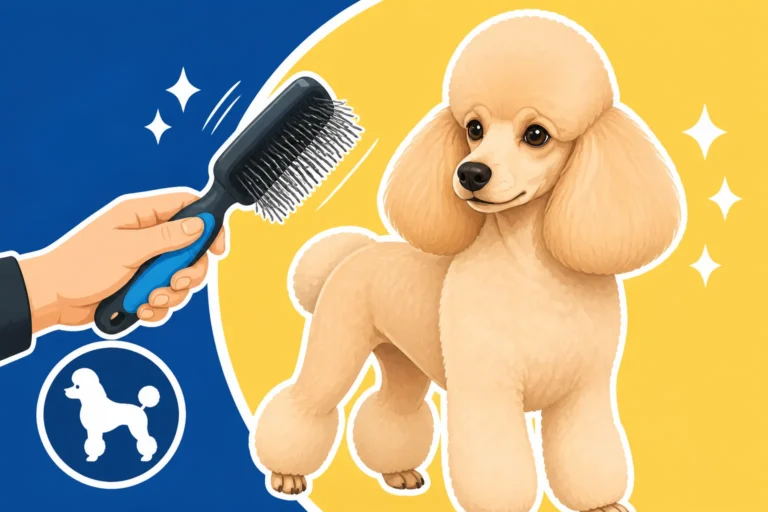
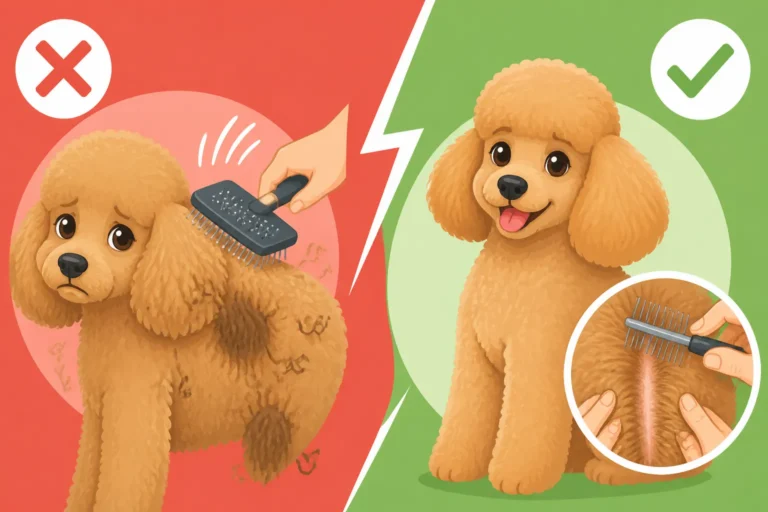
This is the most critical step before bathing a Poodle. I cannot stress this enough: if there are any tangles or mats in the coat before it gets wet, they will tighten like concrete when introduced to water, becoming nearly impossible to remove without shaving. Your goal here is to brush your Poodle to the skin, ensuring every single strand is free-moving. This isn't a quick surface brush; it's a dedicated session of Brushing a Poodle to the Skin.
Start with your slicker brush, working in small sections, from the skin out. Use the "line brushing" technique, which means you part the hair and brush a small section, then move up slightly, creating a "line" of brushed hair. This ensures you're reaching all the way down. Then follow up with your metal comb to check your work. If the comb glides through from root to tip, you're good. If it snags, go back with the slicker brush until it passes through smoothly. Pay extra attention to common matting areas like behind the ears, armpits, tail base, and friction points where collars or harnesses rub. This thorough pre-bath brushing might take 30 minutes to an hour, depending on your Poodle's coat length and condition, but it will save you hours of painful de-matting later. For more guidance, review How Often a Poodle Must Be Brushed.
Securing Your Poodle and the Bathing Area
Once your Poodle is perfectly brushed, it's time to get the environment ready. First, decide where you'll be bathing. For Toy and Miniature Poodles, a kitchen sink or utility sink often works well, as it's at a comfortable height for you and prevents them from jumping out. For Standard Poodles, a walk-in shower or a dedicated dog tub is usually necessary. Lay down a non-slip mat in the tub or shower to give your Poodle secure footing, which will make them feel much more comfortable and less prone to panic.
Next, have all your products open and within arm's reach: shampoo, conditioner, a measuring cup or applicator bottle for diluting products (this helps with even distribution and rinsing), and your initial towel. It's also a good idea to have a helper if your Poodle is new to bathing or particularly wiggly. Use a grooming loop or a leash attached to a secure point to keep your Poodle contained but not constricted. This prevents escapes and ensures they remain safely in position throughout the wash. Having everything organized minimizes stress for everyone involved and prevents frantic searches for a bottle while your Poodle stands dripping wet.
The Bathing Process: Making Every Lather Count
With your Poodle brushed and your supplies ready, it’s time for the actual wash. This isn't just about getting them wet and soapy; it's a careful process that ensures their dense coat is thoroughly cleaned and, crucially, completely rinsed. Many people underestimate how much product can hide in a Poodle's curls, leading to skin irritation if not properly flushed away.
Wetting Down Your Poodle Completely
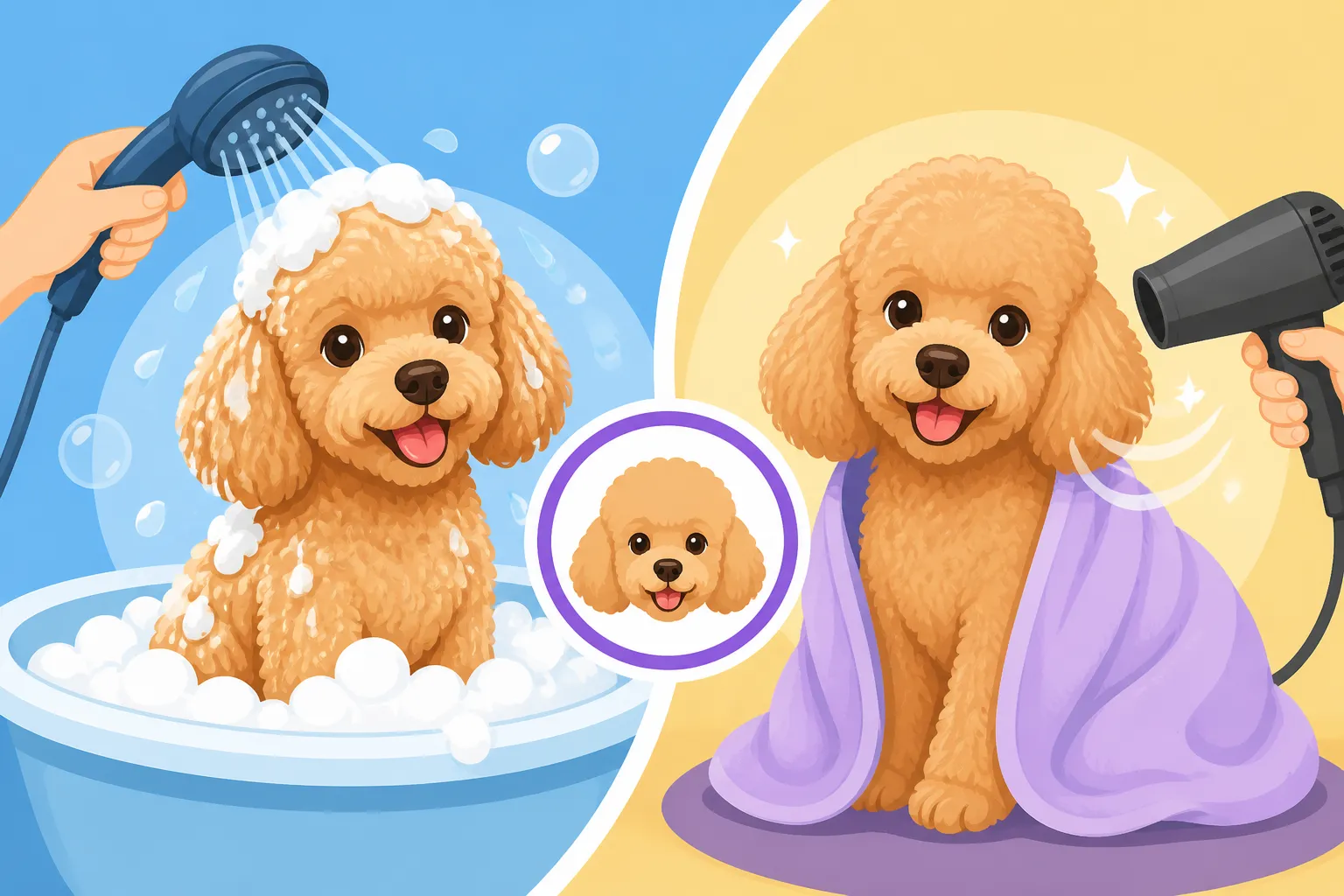
Start by adjusting the water temperature to lukewarm—not too hot, not too cold. A spray nozzle or a detachable showerhead is invaluable for wetting a Poodle, allowing you to direct the water precisely and penetrate their thick coat. Begin by thoroughly saturating the entire coat. This takes more time than you might think! Work the water down to the skin, not just the surface. Their water-repellent coat can sometimes make this challenging, so be patient and ensure every inch of their body is drenched.
Take extra care around their face, using a gentle stream or a damp washcloth to clean around their eyes and muzzle, avoiding getting water directly into their ears. You can place cotton balls loosely in their ears before wetting to help prevent water from entering the ear canal, which can lead to uncomfortable Ear Infections Under a Poodle's Drop Ears. Once they are fully saturated, you'll notice their coat will look much thinner and sleeker, which helps the shampoo penetrate.
Shampooing and Rinsing Multiple Times
Now for the lather! Dilute your chosen shampoo according to the product instructions – this helps it spread evenly and rinse more easily. Apply the diluted shampoo all over your Poodle's body, working it into a rich lather. Gently massage it down to the skin, paying attention to all areas, including their belly, legs, and tail. Don't scrub vigorously, as this can tangle the coat; instead, use your fingertips to massage the product in.
After the first shampoo, rinse thoroughly. And when I say thoroughly, I mean really thoroughly. Poodles have such dense coats that shampoo residue can easily get trapped, leading to itchy skin and irritation. Rinse until the water runs completely clear and you feel no slippery residue on their coat. You might even want to do a second shampoo application, especially if your Poodle was particularly dirty or if you're using a clarifying shampoo. The second lather will usually be much richer, indicating a deeper clean. Again, follow with an exhaustive rinse. Many professional groomers spend more time rinsing than they do shampooing for this very reason.
Conditioning for a Healthy, Manageable Coat
Once the shampoo is completely rinsed, it's time for the conditioner. Just like shampoo, dilute your conditioner as recommended by the manufacturer. Apply it generously to the entire coat, working it in with your hands. Focus on the ends of the hair and any areas prone to matting. Let the conditioner sit for the recommended time, usually 3-5 minutes, to allow it to penetrate and moisturize the hair. This step is crucial for making the post-bath brushing and drying process much smoother.
While the conditioner is sitting, you can gently use a wide-toothed comb to start working through the coat, carefully detangling any small snags that may have formed. This is easier to do when the hair is saturated and slick with conditioner. Once the time is up, rinse the conditioner out just as thoroughly as the shampoo. Again, check for any slippery residue. The goal is to leave the coat feeling soft and smooth, but completely free of product buildup. A well-conditioned coat will dry faster, brush out more easily, and be less prone to static and matting.
The Drying Marathon: The Most Important Step
Alright, you've conquered the bath! Congratulations, but now comes the real test of patience and technique: drying. This is where most Poodle owners either succeed or fail, and where painful mats are either prevented or created. Do not rush this step. It is the most important part of keeping your Poodle's coat healthy and tangle-free.
Towel Drying and Initial Moisture Removal
As soon as your Poodle is out of the tub, wrap them in a super-absorbent towel. Don't rub vigorously, as this can create tangles; instead, gently squeeze and blot the water out of the coat. You might need several towels, especially for a Standard Poodle, as their coats hold a surprising amount of water. The goal here is to remove as much surface moisture as possible before moving on to the more intensive drying methods.
After the initial towel dry, your Poodle will still be quite damp. At this point, it's a good idea to give them a brief, gentle brush-through with your slicker brush while the coat is still wet but not dripping. This helps to further separate the hairs and start the detangling process that will continue throughout the drying. If you notice any small tangles at this stage, gently work them out with your fingers and comb. Remember, every little bit of moisture removed now makes the high-velocity drying easier and faster.
The High-Velocity Dryer: Mastering the Technique for Straight Hair and Mat Prevention
This is your secret weapon, and if you don't have one, it's truly an investment worth making for any Poodle owner. A high-velocity dryer uses powerful, unheated or low-heated air to blast water out of the coat. The force of the air separates the hair strands, helping them to dry quickly and straight, which is key to preventing mats. For more on this, check out Using a High Velocity Dryer on a Poodle.
Introduce the dryer slowly, starting on a low setting and holding it a good distance from your Poodle. Many Poodles are initially wary of the noise, so positive reinforcement and treats are your friends here. Work in sections, starting from the hindquarters and moving forward. Use one hand to hold the dryer nozzle, directing the air close to the skin, while your other hand continuously brushes the hair against the direction of growth with your slicker brush. This technique helps to open up the coat and ensure air reaches every strand. Keep the dryer moving; never hold it in one spot for too long, even if it's not emitting high heat, as continuous airflow in one area can still cause discomfort.
Line Drying to Perfection
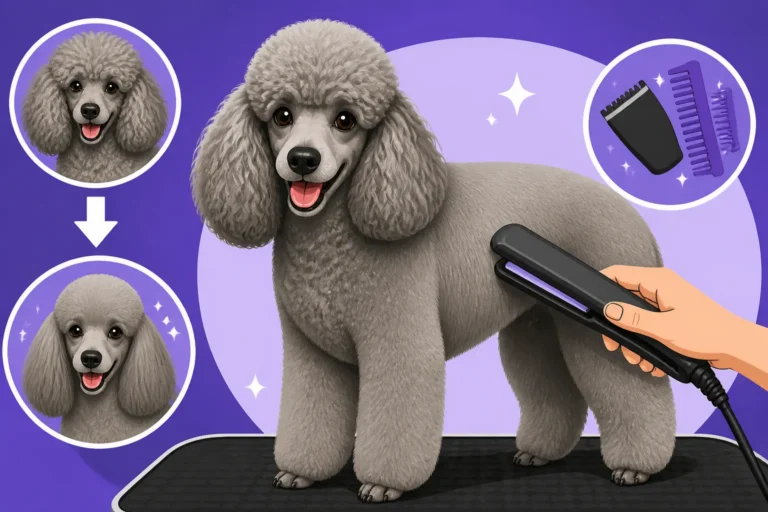
The high-velocity dryer does most of the heavy lifting, but the final stage of drying involves a technique called "line drying." This is where you achieve that beautifully straight, fluffy Poodle look that prevents mats and makes future brushing a breeze. To learn more about this specific process, consider Drying a Poodle Straight.
Once your Poodle is about 80-90% dry from the high-velocity dryer (their coat will still feel cool to the touch but no longer overtly damp), switch to a slightly gentler setting or use a stand dryer if you have one. With your slicker brush, part the hair in small sections, creating a "line." Brush the hair out straight while directing the air from the dryer down the length of the hair, drying that "line" completely. Once that section is dry, move to the next "line" of hair, ensuring you're drying from the skin out. Repeat this process over the entire body, especially focusing on areas prone to matting like the legs, ears, and topknot. Continue until every single hair strand is bone dry. If there is any dampness left, especially at the roots, mats will form. This might take 30 minutes to over an hour, depending on your Poodle's size and coat, but it is time well spent.
Post-Bath Finishing Touches and Maintenance
Once your Poodle is completely, absolutely, unequivocally dry, your work isn't quite done. These final steps ensure maximum comfort, hygiene, and a perfectly polished look. It's the difference between a good bath and a truly professional-level groom at home.
Final Brushing and Inspection
After your Poodle is bone dry and their coat is fluffed and straight, give them one last thorough brush-through with your slicker brush and then a final comb-through with your metal greyhound comb. This serves two purposes: first, it ensures you haven't missed any tiny damp spots or emerging tangles, and second, it puts a beautiful, smooth finish on their coat. The comb should glide effortlessly through every part of their hair, from root to tip. If you hit any snags, stop, go back with your slicker brush, and work them out.
This final inspection is also a great opportunity to check their skin for any redness, irritation, or bumps that might indicate a reaction to the shampoo, missed mat, or a developing skin issue. Because the hair is now straight and separated, you have a clear view of their skin, which is much harder to assess when they are wet or matted. This routine check can help you catch problems early.
Ear Cleaning and Nail Checks
The bath provides an ideal time to take care of other essential grooming tasks. After their ears are dry, gently clean the inside of their ear flaps and around the entrance to the ear canal with a cotton ball dampened with a veterinarian-approved ear cleaner. Poodles are prone to ear infections due to their drop ears and the hair that grows inside their canals, so regular cleaning is vital. Make sure not to push anything down into the ear canal. If you've been plucking ear hair, the time after a bath when the hair is clean and dry is often the easiest.
Next, check their nails. While they may not need trimming with every bath, it's a good habit to inspect them. If they're getting long, this is a great time to trim or grind them. You can find more information on this in Nail Trims Between Poodle Grooms. Keeping nails at a proper length is important for your Poodle's comfort and gait. Don't forget to check the hair between their paw pads as well; this area can mat easily and can cause slipping if allowed to grow too long. You can carefully trim this hair flush with the pads using blunt-nosed scissors.
Troubleshooting Common Bathing and Drying Problems
Even with the best intentions and tools, you might run into challenges. It happens to all of us! The key is to know how to address them without causing further stress to your Poodle or damage to their magnificent coat.
Dealing With Mats After a Bath
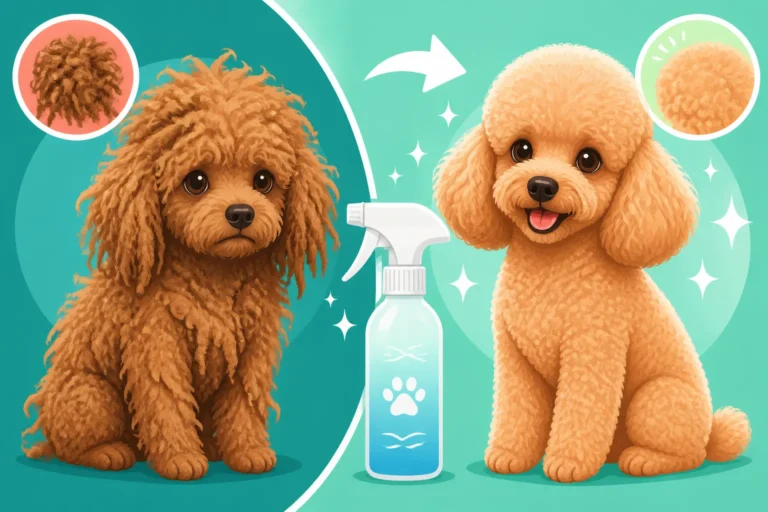
Despite your best efforts with pre-bath brushing, sometimes a sneaky tangle can survive the wash and become a full-blown mat once wet. If you discover a mat after the bath and during the drying process, do not continue drying that section. The heat will only tighten it further. Stop, re-dampen the matted area with a detangling spray or a little conditioner, and very, very carefully try to work it out with your fingers and then a comb. If it's a small mat, you might be able to gently pick it apart, starting from the outside edges and working your way in.
However, if the mat is large, tight, or close to the skin, attempting to brush or comb it out could cause significant pain to your Poodle and even damage their skin. In these cases, it's best to carefully cut the mat out using blunt-nosed scissors, always angling the scissors parallel to the skin and lifting the mat away from the body. If you're uncomfortable with this, or if there are multiple severe mats, it's always best to consult a professional groomer. They have specialized tools and expertise to deal with difficult matting safely. Remember, prevention with thorough pre-bath brushing is always easier than dealing with mats afterward.
Overcoming Fear of the Dryer
The noise and sensation of a high-velocity dryer can be intimidating for some Poodles, especially if they weren't introduced to it gently as puppies. If your Poodle shows fear, don't force them. This will only create a negative association. Start by introducing the dryer in a calm environment, allowing them to sniff it while it's off. Then, turn it on at the lowest setting, far away from them, offering treats and praise. Gradually move it closer over several sessions, never pointing it directly at them at first.
During bath time, place cotton balls in their ears to muffle the sound. Begin drying a less sensitive area, like their back or hindquarters, and always use gentle, reassuring tones. You can also try taking breaks, allowing them to relax before resuming. Consistency and positive reinforcement are key. If your Poodle is extremely distressed, consider breaking the drying into multiple sessions, or even letting them air dry a portion of their body (like their belly or legs) if it's less prone to matting, while still focusing on drying critical areas with the HV dryer. For fearful Poodles, consider discussing desensitization techniques with a professional trainer. The Weeks That Set a Poodle's Nerve highlight the importance of early positive experiences.
Preventing Skin Irritation
Skin irritation after a bath is usually caused by two main culprits: shampoo or conditioner residue, or excessively vigorous scrubbing/brushing. To prevent irritation from products, ensure you are rinsing your Poodle's coat meticulously. Poodles have a very dense coat, and it's easy for shampoo to get trapped deep down, leading to itchiness, redness, or even flaking. Always rinse until the water runs absolutely clear and there's no slick feeling left on the coat.
Secondly, be gentle! While you need to be thorough, scrubbing too hard with your fingers or brushing too harshly with a slicker brush, especially on sensitive areas, can abrade the skin. Use a gentle massaging motion for shampooing and always use a light touch when brushing, especially during drying when the skin might be more vulnerable. If you notice persistent redness or scratching, consider switching to an even milder, hypoallergenic shampoo and conditioner. Sometimes, a Poodle's skin might react to a specific ingredient, so trying a different brand can help. Consulting your vet if irritation persists is always a good idea, as it could indicate an underlying allergy or skin condition.
Making Bath Time a Positive Experience
Ultimately, you want bath time to be a calm, cooperative experience for your Poodle, not a battle. Establishing a positive routine from a young age and maintaining it with consistency and patience will make all the difference over their lifetime.
Starting Early and Positive Reinforcement
The earlier you introduce your Poodle puppy to the bathing and drying routine, the better. Even before their full vaccination schedule is complete, you can practice short, gentle bath-like experiences in the sink. Use lukewarm water, a soft cloth, and puppy-specific shampoo. Make it a game with lots of praise and high-value treats. Let them explore the tub or shower when dry. Introduce the sound of the high-velocity dryer from a distance, pairing it with positive things like treats or toys. Introducing Clippers to a Poodle Puppy outlines a similar principle for other grooming tools.
During actual baths, speak in a calm, soothing voice. Reward them for standing still, for tolerating the water, and for enduring the dryer. Even if they're a bit wiggly, focus on praising the moments they are calm. This positive association building during their formative weeks and months will create a Poodle who views grooming as a normal, perhaps even enjoyable, part of their life, rather than a terrifying ordeal.
Consistency and Patience: The Keys to a Cooperative Poodle
Poodles thrive on routine and consistency. Establishing a regular bathing schedule—whether it's every 2-4 weeks, depending on their activity level and coat style—will help them know what to expect. They will learn the sequence of events, and this predictability can be comforting. Trying to bathe them sporadically or only when they are severely matted will make the experience much harder for both of you.
Patience is perhaps the most important tool in your arsenal. There will be days when your Poodle is less cooperative, or when you feel rushed. On those days, take a deep breath. Rushing through the process can lead to mistakes, injury, or simply reinforce negative associations. If you get frustrated, take a short break, regroup, and then return with a calm demeanor. Remember, your Poodle picks up on your emotions. A calm, confident owner leads to a calm, cooperative Poodle. By following these steps consistently and patiently, you'll not only keep your Poodle's coat in pristine condition but also strengthen your bond and ensure their long-term health and happiness. Understanding the financial commitment to grooming, as discussed in What Grooming Adds to a Poodle's Lifetime Cost, can also help you appreciate the value of mastering these skills yourself.
Disclaimer
This article is for general informational purposes only and does not constitute professional advice. Laws, prices and regulations vary by location and change over time. Consult a qualified professional for guidance on your specific situation.