Poodle Ears, Eyes and Nails
Many Poodle owners feel overwhelmed by the constant upkeep required for their dog's ears, eyes, and nails. It’s not just about aesthetics; neglected paws can lead to painful infections, matted ear hair can trap moisture and bacteria, and tear stains can signify underlying irritation. This comprehensive guide will walk you through the essential steps to keep these sensitive areas healthy and comfortable, transforming grooming from a chore into a bonding experience.
The Unique Challenges of Poodle Ears
Poodle ears are, without a doubt, one of their most distinctive features, hanging low and framing their intelligent faces. But this elegant characteristic comes with its own set of responsibilities. Unlike breeds with upright ears, the Poodle's drop ears create a warm, dark, and often humid environment—a perfect breeding ground for all sorts of unwelcome guests. Owners often feel a constant battle against moisture and debris, and it can be frustrating to wonder if you're truly doing enough to prevent problems.
Why Poodle Ears Are Prone to Trouble
The anatomy of a Poodle's ear canal is designed to trap moisture, and air circulation is naturally restricted due to the heavy leather of the ear flap. On top of that, Poodles, unique among many breeds, grow hair inside their ear canals. This isn't just a bit of fluff; it can be quite dense, effectively acting like a dam that traps wax, dead skin cells, and any moisture that finds its way in. Imagine trying to air out a damp room that's also carpeted and sealed off – that's essentially what's happening in your Poodle's ear. This combination of factors significantly raises the risk of yeast and bacterial infections, leading to discomfort, pain, and costly vet visits if not managed proactively. You might notice your Poodle shaking its head, scratching excessively, or a foul odor emanating from its ears, all classic signs that something is brewing. It’s a common frustration, especially with puppies, to feel like you’re always playing catch-up. Poodle Ears, Eyes and Nails
This dense hair also makes it difficult for topical ear cleaners and medications to reach the underlying skin, rendering treatments less effective. Many owners find themselves in a cycle of treating infections, only for them to return weeks later, and it's almost always due to this persistent internal hair growth. It's not just about surface cleanliness; you need to address what's happening inside that ear. Understanding this unique biological predisposition is the first step toward effective ear care, rather than simply reacting to problems as they arise. Without proper management, the environment inside a Poodle's ear creates an ideal breeding ground for bacteria and yeast, transforming what should be a healthy ear into a hotbed of irritation and discomfort for your sensitive Poodle.
Effective Cleaning and Plucking Techniques
So, what's a dedicated Poodle parent to do? The answer involves a two-pronged approach: regular cleaning and, for many Poodles, careful plucking. For cleaning, you'll want a vet-approved ear cleaning solution – something that helps break down wax and has a drying agent to combat moisture. Never use rubbing alcohol or hydrogen peroxide, as these can irritate the delicate ear canal lining. The technique involves squirting a generous amount of cleaner into the ear canal, massaging the base of the ear for about 30 seconds to distribute the liquid, and then allowing your Poodle to shake its head. After the shake, use a soft cotton ball or gauze to wipe away any discharge and cleaner from the visible parts of the ear. Never insert cotton swabs deep into the ear canal, as this can push debris further in and potentially damage the eardrum.
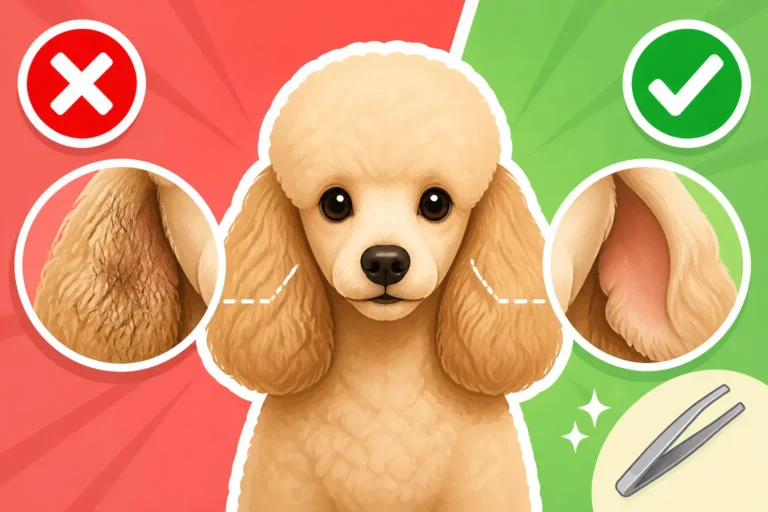
Regarding plucking, this is where many owners feel a bit squeamish, and understandably so. If your Poodle has significant hair growth in its ear canal, professional groomers or your veterinarian will often recommend plucking it. This removes the "dam" that traps moisture and debris, allowing for better air circulation and more effective cleaning. It’s best to have this demonstrated by a professional first, as improper technique can cause pain or damage. Some Poodles tolerate it well, especially if introduced young, while others might require a light sedative from the vet if they are particularly sensitive or if the hair is severely matted deep inside. Products like ear powder can help grip the hairs, making plucking easier and less painful. Consistency is key; a quick check and clean once a week can prevent major issues down the line. Plucking Hair From a Poodle's Ear Canal
When performed correctly, regular plucking can drastically reduce the frequency of ear infections and improve your Poodle's overall comfort. It's a skill that can be learned, but it requires patience and a gentle touch, emphasizing why professional guidance is so valuable. Many owners choose to have their groomer handle plucking, especially if their Poodle has a low tolerance or if the hair is particularly thick.
Recognizing and Preventing Ear Infections
Catching an ear infection early can save your Poodle a lot of discomfort and you a significant vet bill. The most common signs are obvious: head shaking, pawing at the ears, sensitivity to touch around the ears, or a noticeable odor. You might also see redness, swelling, or discharge (which can be brown, yellow, or black) inside the ear flap. Sometimes, your Poodle might hold its head tilted to one side. If you spot any of these symptoms, it’s time for a vet visit. Don't try to self-diagnose or treat with home remedies, as different types of infections (bacterial vs. yeast) require different medications.
Prevention is always better than cure. Beyond regular cleaning and plucking, consider your Poodle's environment. After baths or swimming, always take extra time to thoroughly dry their ears, especially the insides, with a cotton ball or a low-setting hairdryer (held far away and kept moving). Excessive humidity in their living environment can also contribute. For Poodles prone to chronic infections, your vet might recommend specific dietary changes or allergy testing, as sometimes ear issues are a symptom of a larger underlying allergy. Remember, healthy ears mean a happy Poodle, free from constant itching and irritation. Ear Infections Under a Poodle's Drop Ears These proactive steps are crucial because persistent, untreated infections can lead to chronic pain, hearing loss, and even necessitate surgical intervention in severe cases.
Keeping Poodle Eyes Bright and Clear
A Poodle's eyes are incredibly expressive, full of intelligence and mischief. But for many owners, these beautiful eyes are often marred by unsightly tear stains, especially in lighter-colored Poodles. It's frustrating to keep wiping and wiping, only for the stains to reappear, leaving you wondering if it's purely cosmetic or if there's something more serious going on. Dealing with this requires understanding the root causes and consistent, gentle care.
The Causes of Tear Staining
Tear staining, those reddish-brown streaks that appear below a Poodle's eyes, is a common complaint, particularly for white, cream, or apricot Poodles. The staining itself isn't the problem; it's the symptom of excessive tearing, or "epiphora." The red-brown color comes from porphyrins, iron-containing molecules excreted in tears and saliva, which turn reddish-brown when exposed to light and air. One common culprit is genetics: some Poodles simply have shallow eye sockets or eyelids that don't quite drain tears effectively. Allergies, both environmental and food-related, can also cause increased tear production. Think of pollen, dust, or certain ingredients in their food prompting an allergic reaction that manifests as watery eyes. Why a Poodle's Eyes Weep
Another significant factor is irritation. Tiny hairs around the eyes can rub against the cornea, causing constant irritation and a flood of tears. Eyelid abnormalities, blocked tear ducts, or even dental issues (especially upper jaw problems that can affect tear duct drainage) can also be underlying causes. Poor diet or water quality, though less common as primary causes, can sometimes exacerbate the issue. It's truly a multi-faceted problem, and it's easy to feel defeated when you're trying every solution under the sun. It's important to remember that while tear staining is often benign, persistent or sudden excessive tearing warrants a vet check to rule out any serious medical conditions, especially if there's redness, swelling, or pain. Understanding the specific trigger for your Poodle's tear staining can be like finding a needle in a haystack, but ruling out serious medical issues first is always the priority.
Gentle Cleaning Around the Eyes
While addressing the underlying cause is paramount, managing the existing stains and preventing new ones requires diligent external care. Start by gently wiping around your Poodle's eyes at least once a day, ideally twice. Use a soft, damp cloth or a dedicated pet eye wipe (many good options are available through retailers like Chewy or Amazon). Always wipe away from the eye, being careful not to touch the eyeball itself. For stubborn stains, you can use a pet-safe tear stain remover product, but always read the labels carefully and ensure they are safe for use around the eyes. Some products contain gentle cleansers and brightening agents that can help lift the discoloration.
Trimming the hair around the eyes is also incredibly important. Those wispy hairs, while cute, can act like wicks, drawing tears away from the eye and onto the facial fur, where the staining process begins. Your groomer can perform a sanitary trim around the eyes, creating a clean, short area that minimizes the hair's ability to trap moisture and porphyrins. If you prefer to do it at home, use blunt-nosed scissors specifically designed for pet grooming and always point them away from the eye, cutting only the very tips of the hair. Be extremely cautious, as one slip can cause serious injury. The goal is to keep the area as dry and free of excessive hair as possible. Trimming the Hair Around a Poodle's Eyes Regular cleaning helps not only with aesthetics but also prevents the build-up of bacteria in the damp, stained fur, which could lead to secondary skin infections or irritation.
When to Worry About Eye Issues
While tear staining is usually a cosmetic concern, there are definite red flags that indicate a more serious eye problem that needs immediate veterinary attention. Look out for excessive blinking, squinting, or holding an eye shut, which suggests pain or irritation. Redness in the white part of the eye, cloudiness in the cornea, green or yellow discharge (rather than clear or brownish tears), or visible swelling around the eye are all serious symptoms. If your Poodle seems to be bumping into things or showing signs of vision loss, don't delay a trip to the vet. These could be signs of conjunctivitis, corneal ulcers, glaucoma, cataracts, or even inherited conditions like Progressive Retinal Atrophy.
Some Poodles, particularly Miniatures, can be prone to inherited eye conditions, so regular eye checks, especially as they age, are a good idea. A vet will examine the eyes thoroughly, possibly using a special stain to check for corneal abrasions or blockages in the tear ducts. Early detection of any serious condition can significantly improve the outcome and prevent permanent damage or vision loss. Never self-treat anything beyond basic tear staining; your Poodle's eyesight is too precious to risk. Whether Poodle Eyes Need Yearly Checks It’s a sad reality that some serious eye conditions can progress rapidly, and waiting even a day or two can sometimes make the difference between successful treatment and permanent vision impairment.
Mastering Poodle Nail Care
Poodle nails are often an overlooked aspect of their overall care, yet they are critically important for comfort, mobility, and preventing pain. It's easy to let them get a bit long between grooming appointments, but the consequences can be quite serious for your Poodle. Many owners find nail trimming daunting, fearing they might "quick" their dog, leading to a negative experience for both of you. However, with the right approach, it doesn't have to be a struggle.
Why Regular Nail Trims are Crucial
Long nails on any dog are problematic, but for active Poodles, they can lead to significant discomfort and even long-term orthopedic issues. When a dog's nails grow too long, they hit the ground before the paw pads do. This pushes the nail back into the nail bed, putting pressure on the toe joints and altering the natural alignment of the foot and leg. Over time, this can lead to pain, arthritis, and gait abnormalities. Imagine wearing shoes that are too small and constantly push your toes backward – that's essentially what your Poodle experiences. You might notice your Poodle walking gingerly, slipping on smooth floors, or making a clicking sound when they walk.
Beyond pain, long nails are also more prone to snagging, breaking, or tearing, which can be incredibly painful and often results in an emergency vet visit. The quick, the blood vessel and nerve that runs inside the nail, also grows longer as the nail grows. This means that if you only trim long nails infrequently, the quick will recede less, making it harder to trim them short without causing bleeding and discomfort. This is a common frustration for owners: it feels like a catch-22, where the nails are too long to begin with, but you can't trim them short enough without hitting the quick. Regular, even frequent, trimming is the only way to encourage the quick to recede, allowing for shorter, healthier nails over time. Nail Trims Between Poodle Grooms Ignoring nail care can slowly but surely erode your Poodle's joy in movement, turning every step into a potential source of pain and limiting their ability to exercise and play naturally.
The Tools for the Job
Having the right tools makes all the difference when it comes to Poodle nail care. You'll generally choose between two main types of trimmers: scissor-style clippers or guillotine-style clippers. Scissor-style clippers are often preferred for larger, thicker nails found on Standard Poodles, while guillotine-style can work well for smaller Poodles or those with thinner nails. Many owners, especially those with smaller Poodles like Toys or Miniatures, also swear by nail grinders. These electric tools file the nail down gently, reducing the risk of cutting too far and making it easier to smooth out rough edges. Brands available on Amazon or Chewy offer a wide range of choices, from quiet grinders to ergonomic clippers.
Regardless of your chosen tool, a few other items are essential:
- Styptic Powder: This is an absolute must-have. Accidents happen, and if you cut into the quick, styptic powder will quickly stop the bleeding and alleviate pain.
- Good Lighting: You need to clearly see the nail and, if possible, the quick.
- Treats: Positive reinforcement is vital for making nail trims a calm, even enjoyable experience for your Poodle.
- A Calm Environment: Choose a quiet time when both you and your Poodle are relaxed.
For Poodles with dark nails, where the quick isn't visible, a grinder is often a safer bet, or you can trim tiny bits at a time, looking at the underside of the nail for a small, dark dot (which indicates you're nearing the quick). Investing in good quality tools might seem like an extra expense, but the ease of use and reduced stress for both you and your Poodle are well worth it, making the process much more efficient and less prone to mistakes.
Step-by-Step Nail Trimming
Approach nail trimming with confidence but also gentleness. If you're nervous, your Poodle will pick up on that.
- Gather Your Tools: Have your clippers or grinder, styptic powder, and treats ready.
- Position Your Poodle: Have them lie down, sit, or stand in a comfortable position where you can easily access their paws. Some owners find a grooming table helpful.
- Inspect the Paw: Gently hold one paw and identify the nails. If your Poodle has light-colored nails, you'll see the pink quick. For dark nails, you'll be looking for the curve of the nail and the small, dark dot as you trim. Grinding a Poodle's Nails
- Trim a Small Amount: With clippers, take off only the very tip of the nail, just below where the quick ends (or if dark, just the sharp hook). It's better to take off too little than too much. Aim for the nail to be flush with the paw pad when your Poodle is standing. If using a grinder, touch it to the nail for just a few seconds, then lift, checking your progress.
- Repeat for All Nails: Work systematically, giving praise and treats after each nail or paw, especially if your Poodle is anxious. Don't forget the dewclaws (the thumb-like nails higher up on the leg), as these don't wear down naturally and can grow into the skin.
- Apply Styptic Powder (If Needed): If you accidentally cut the quick, don't panic. Firmly press styptic powder onto the bleeding tip and hold for a few seconds. Reassure your Poodle.
- Positive Reinforcement: End the session with plenty of praise, cuddles, and perhaps a high-value treat or a short play session. The goal is to make it a positive experience, so your Poodle doesn't dread the next trim. Consistency, even tiny trims every few days, is more effective than infrequent, stressful major cuts.
This step-by-step approach, coupled with patience and a positive attitude, can transform nail trimming from a dreaded chore into a manageable and even routine part of your Poodle's care. Remember, consistency is key to both keeping the nails short and maintaining your Poodle's trust.
Protecting Poodle Paws and Pads
Beyond the nails, a Poodle's entire paw, including the pads and the hair between them, deserves special attention. These are the "shoes" your Poodle wears every single day, and they take a lot of abuse. Neglecting paw care can lead to discomfort, injury, and an unhappy Poodle. It's not uncommon for owners to overlook these areas until a problem becomes evident, but proactive care can prevent many common issues.
Dealing with Hair Between the Pads
Poodles, with their continuously growing coats, develop a significant amount of hair between their paw pads. While it might seem like a minor detail, this hair can cause several problems. Firstly, it traps dirt, debris, tiny pebbles, burrs, and even ice balls in winter, which can be irritating and painful. Imagine walking with a stone constantly pressed into your foot! Secondly, this hair reduces traction, especially on smooth surfaces like hardwood floors or tiles, making your Poodle more prone to slipping and potentially injuring themselves. This is a particular concern for older Poodles or those with joint issues. Why Pad Hair Makes a Poodle Slip
Regularly trimming this inter-pad hair flush with the paw pads is essential. Your groomer will usually do this as part of a full groom, but it's something you can also maintain at home between visits. Use small, blunt-nosed grooming scissors or a small clipper blade (like a #30 or #40) to carefully trim the hair. Always hold the paw firmly and spread the pads slightly to get a clear view. Be incredibly cautious, as the skin between the pads is very delicate, and it’s easy to nick. If using clippers, make sure the blades are cool and sharp to prevent clipper burn. This simple step can dramatically improve your Poodle's comfort, traction, and overall paw health. Over time, excessive hair between the pads can also lead to painful matting, pulling on the sensitive skin and making every step uncomfortable, reinforcing the need for regular trimming.
Addressing Dry and Cracked Pads
A Poodle's paw pads are designed to be tough, but they are still susceptible to drying and cracking, especially if exposed to harsh conditions. Hot pavement in summer, icy sidewalks and road salt in winter, rough terrain, or even simply very dry indoor air can all contribute to cracked pads. When pads crack, they can become painful, making walking uncomfortable, and in severe cases, they can bleed or become infected. It’s a common scenario for owners to notice their Poodle limping slightly or licking their paws excessively, only to discover a painful crack.
To prevent and treat dry, cracked pads, moisturize them regularly. There are many pet-safe paw balms and waxes available (you can find them from pet retailers like Ollie or Chewy). Look for products with natural ingredients like shea butter, coconut oil, or beeswax. Apply a small amount to the pads, gently massaging it in. You might want to do this before bedtime or when your Poodle is resting to allow the balm to absorb without being licked off immediately. If your Poodle is an avid licker, consider putting on a soft sock for a short period after application. For severe cracks or bleeding, consult your vet, as an infection might be present, or a deeper injury may need treatment. Poodle Allergies and Skin Reactions can sometimes manifest as paw irritation, so keep an eye out for that too.
Seasonal Paw Protection
Protecting your Poodle's paws isn't a one-size-fits-all, year-round task; it needs to adapt with the seasons.
- Summer: Hot pavement is a major danger. The rule of thumb is: if it's too hot for your bare hand, it's too hot for your Poodle's paws. Walk during cooler parts of the day (early morning or late evening), stick to grassy areas, or consider dog booties for extra protection if you must walk on hot surfaces. Regular moisturizing can also help pads withstand the heat better.
- Winter: Ice, snow, and especially de-icing salts and chemicals can be incredibly harsh. These substances can cause painful cracks and chemical burns. Dog booties are an excellent investment for winter walks. If booties aren't an option, or even as an added layer of protection, apply a paw wax before walks to create a barrier. Always rinse your Poodle's paws thoroughly with lukewarm water after a winter walk to remove any salt or chemicals, then dry them completely.
Year-round, inspect your Poodle's paws regularly. Check between the pads for foreign objects, look for any redness, swelling, cuts, or punctures. Early detection and intervention can prevent minor issues from escalating into serious problems that require extensive veterinary care. Taking these seasonal precautions can prevent a lot of pain and discomfort for your Poodle, ensuring they can enjoy their walks in any weather without suffering from environmental damage to their sensitive paw pads.
The Interconnectedness of Grooming and Health
It might seem like Poodle ear, eye, and nail care are separate tasks, but in reality, they are deeply interconnected with your Poodle's overall health and well-being. Neglecting one area can easily create a cascade of problems in another. Understanding this holistic approach is key to keeping your Poodle not just looking good, but feeling good, too. The Poodle's coat, health, and behavior are all part of a larger picture that owners often grapple with.
How Neglect in One Area Affects Another
Think of your Poodle's body as a finely tuned machine. If one part isn't working optimally, it affects the rest. Take, for instance, neglected nails. Overly long nails can cause pain and discomfort, leading your Poodle to shift their weight differently when walking. This altered gait can put undue stress on their joints, potentially exacerbating or even initiating problems like hip or knee issues. An uncomfortable Poodle might also become less active, leading to weight gain, which then puts even more strain on their joints. This chain reaction all starts with something as seemingly simple as long nails. Poodle Hip Dysplasia by Size
Similarly, unchecked ear infections can spread. If left untreated, severe ear infections can sometimes lead to middle or inner ear infections, which can affect balance and even cause neurological symptoms. The constant head shaking and scratching associated with ear irritation can also lead to secondary skin infections on the ear flaps or even hematomas (blood blisters) if your Poodle ruptures a vessel from vigorous scratching. And what about the hair between the paw pads? When it gets matted and traps moisture, it creates a perfect environment for yeast and bacterial infections on the paws themselves, leading to intense itching and licking, which then further irritates the skin. It's a vicious cycle that can quickly turn minor issues into significant, painful, and expensive problems.
Developing a Holistic Grooming Routine
The best defense is a good offense, and that means a consistent, holistic grooming routine that integrates ear, eye, and nail care seamlessly. It's not about doing everything at once, but rather establishing regular habits.
- Daily Quick Checks: A quick visual inspection of the ears, eyes, and paws daily can catch minor issues before they escalate. Look for redness, discharge, limping, or excessive licking.
- Weekly Mini-Grooms: This is your time for cleaning ears, wiping around eyes, and perhaps a quick brush through the paw pad hair. If you're comfortable with clippers, this is also when you can do a quick nail trim or grind, taking off just a tiny bit to keep them short.
- Regular Professional Grooming: Even if you do a lot of home grooming, a professional groomer is invaluable. They have the tools and expertise to perform thorough ear plucking, sanitary trims, and comprehensive nail care, often noticing subtle issues you might miss. Consider a schedule of every 4-6 weeks for most Poodles. How Many Grooms a Poodle Needs a Year
Remember, grooming isn't just about appearance; it's a vital part of your Poodle's preventative healthcare. It's also an excellent opportunity for bonding and for you to become intimately familiar with your Poodle's body, helping you spot any changes early on. This consistent approach not only keeps your Poodle looking pristine but also ensures you're regularly checking for any anomalies or early signs of health concerns that might otherwise go unnoticed.
Seeking Professional Help for Persistent Issues
While regular home care is crucial, there will be times when you need to call in the professionals. Don't hesitate to contact your veterinarian if you notice any of the following:
- Persistent or Recurrent Ear Infections: If ear infections keep coming back despite your best efforts, it might indicate an underlying allergy, a resistant bacteria, or anatomical issues that need specific medical intervention.
- Eye Discharge That Isn't Tear Staining: Any green, yellow, or thick discharge, excessive redness, squinting, or signs of pain should prompt an immediate vet visit.
- Limping or Paw Pain: If your Poodle is consistently limping, refusing to put weight on a paw, or excessively licking/chewing their paws, a vet needs to rule out injuries, infections, or deeper orthopedic problems.
- Reluctance to Be Handled: If your Poodle suddenly becomes resistant to having their ears, eyes, or paws handled, it could be a sign they are in pain or uncomfortable, and it's time for a professional check.
Your vet can provide accurate diagnoses, prescribe appropriate medications, and offer expert advice tailored to your Poodle's specific needs. They can also demonstrate proper techniques for ear cleaning, plucking, and nail trimming if you're feeling unsure. Never feel embarrassed to ask for help; responsible pet ownership means knowing when to rely on expert guidance. Trusting your instincts and seeking professional advice can prevent minor problems from escalating into chronic, painful conditions for your beloved Poodle.
Creating a Stress-Free Grooming Experience
Let's be honest: for many Poodles and their owners, grooming sessions can feel like a battle of wills. The goal, however, isn't just to get the job done, but to make it as positive and stress-free as possible. A Poodle that tolerates, or even enjoys, grooming makes your life easier and contributes to their overall emotional well-being. It's all about building trust and positive associations from the very beginning.
Starting Early and Making It Positive
The single most important piece of advice for stress-free grooming is to start early. As soon as you bring your Poodle puppy home, begin gently handling their ears, lifting their lip to look at their teeth, touching their paws, and playing with their nails. Do this in short, positive sessions, just a minute or two at a time, followed immediately by praise and a high-value treat. This isn't about actually grooming them yet, but about desensitizing them to touch in these sensitive areas. You want them to associate human hands near their ears, eyes, and paws with pleasant things. Poodle Puppy Vaccination and Preventive Schedule
For instance, when watching TV, gently rub your puppy's ears for a few seconds, then give a tiny piece of cheese. Touch a paw, then give a treat. Pick up a nail clipper (without clipping) and show it to them, then give a treat. The key is to make it a game, not a chore. If you wait until they're older and already have a negative association, it will be much harder to overcome. Even if you have an older Poodle who's already wary of grooming, it's never too late to start desensitization, though it may take more patience and smaller steps. The younger you start, the more ingrained these positive associations become, setting your Poodle up for a lifetime of comfortable and cooperative grooming sessions.
Desensitization Techniques
Desensitization involves gradually exposing your Poodle to grooming tools and sensations, starting with something they can easily tolerate and slowly increasing the intensity.
- For Ear Cleaning: Start by just touching their ears, then lifting the ear flap, then gently massaging the base of the ear (without cleaner). Once they're comfortable with that, introduce the ear cleaner bottle – just let them sniff it and give a treat. Then, squirt a tiny bit into your hand and let them sniff/lick, treat. Finally, introduce a small amount into their ear, massage, let them shake, and immediately reward.
- For Nail Trimming: Begin by simply touching their paws, then gently manipulating each toe. Introduce the clippers or grinder by letting them see and sniff it, then reward. Turn the grinder on briefly, away from them, and reward for calmness. Gradually move closer, touching the tool to their nails (without actually trimming), and rewarding. Finally, take off just the tiniest sliver of one nail, reward generously, and stop for the day. Build up slowly. Introducing Clippers to a Poodle Puppy
- For Eye Wiping: Similar steps: touch around the eyes, then introduce a soft damp cloth, gently touching the fur around the eye, rewarding generously.
Always keep sessions short, positive, and end on a good note. If your Poodle shows signs of stress (lip-licking, yawning, turning away, pulling back), reduce the intensity and go back a step. The goal is progress, not perfection. This patient, step-by-step approach slowly reshapes their perception of grooming from something to be feared into a neutral, or even pleasant, routine, building trust and reducing anxiety.
Rewarding Good Behavior
Positive reinforcement is your most powerful tool in creating a stress-free grooming experience. Every time your Poodle tolerates or cooperates with a grooming step, no matter how small, they should be rewarded.
- High-Value Treats: Don't skimp on treats during grooming sessions. Use something your Poodle absolutely loves – tiny pieces of cooked chicken, cheese, or special training treats.
- Praise and Affection: Verbal praise ("Good boy!", "Such a brave girl!") and gentle petting also go a long way in reinforcing desired behavior.
- Keep it Brief: Especially in the beginning, keep grooming sessions very short. A minute or two of positive interaction is far more effective than a long, stressful battle. You can always do another short session later in the day.
- Consistency: Regular, predictable routines help your Poodle understand what to expect. If grooming only happens when nails are overgrown and painful, it will always be a negative association.
Remember, a calm, patient, and positive approach will pay dividends in the long run, ensuring your Poodle looks their best and remains comfortable and happy throughout their life. This is especially true as they get older and might become less tolerant or more sensitive to touch. Caring for an Aging Poodle By consistently reinforcing positive behaviors, you're not just grooming; you're strengthening your bond and teaching your Poodle that handling is a safe and rewarding experience.
Comparison of Common Poodle Grooming Tools
| Area to Groom | Recommended Tool(s) | Key Benefit | Considerations |
|---|---|---|---|
| Ears | Pet-safe ear cleaner, Cotton balls/pads, Hemostats (for plucking) | Prevents infections, removes wax/debris, improves air flow | Use vet-approved cleaner only; seek professional guidance for plucking with hemostats. |
| Eyes | Pet eye wipes, Soft damp cloth, Blunt-nosed grooming scissors | Removes tear stains, prevents hair irritation, keeps area clean | Be extremely careful with scissors; wipe away from the eye; choose gentle, pet-safe products. |
| Nails | Scissor-style clippers, Guillotine-style clippers, Nail grinder | Prevents pain, promotes healthy gait, avoids snags/breaks | Have styptic powder on hand; grinder reduces quicking risk; dark nails require extra caution. |
| Pads (Hair) | Small blunt-nosed scissors, Small clipper (e.g., #30 blade) | Improves traction, prevents matting, removes trapped debris | Work slowly and carefully; skin between pads is delicate; keep blades cool. |
| Pads (Skin) | Pet-safe paw balm/wax, Dog booties | Prevents/treats dryness, cracking, protects from extreme temps | Apply regularly; consider socks if your Poodle licks; choose season-appropriate protection. |
Disclaimer
This article is for general informational purposes only and does not constitute professional advice. Laws, prices and regulations vary by location and change over time. Consult a qualified professional for guidance on your specific situation.