Keeping a Poodle Topknot
For so many Poodle owners, that beautiful, fluffy topknot is a source of both immense pride and, let's be honest, quite a bit of frustration. Keeping it looking neat, mat-free, and perfectly shaped can feel like a full-time job, especially when your Poodle loves to romp, roll, or rub their head on everything. This guide is here to walk you through everything you need to know to maintain a gorgeous topknot, from daily care to troubleshooting common woes.
Understanding the Poodle Topknot: More Than Just Hair
The Poodle's topknot isn't just a stylish coif; it's a distinctive characteristic of the breed that, when well-maintained, speaks volumes about the care your Poodle receives. It's often the first thing people notice, and its condition can greatly impact the overall appearance of your beloved companion. But beneath the fluff, there's a unique structure that demands specific attention.
The Anatomy of a Perfect Topknot
The topknot comprises the hair growing from the top of your Poodle's skull, typically extending from just behind the eyes to the occiput (the bump at the back of the head). This hair is often longer and denser than other parts of the body coat, especially if you're aiming for a full, voluminous look. What makes it unique is its location: it's constantly exposed to friction from collars, leashes, ears, and your Poodle's own activities like eating, drinking, and playing. Its delicate nature means it's often the first place to show signs of neglect, whether it's a small tangle or a full-blown mat.
Think of it as your Poodle's crowning glory. Its texture, much like the rest of the Poodle's coat, is dense and curly, prone to matting if not properly brushed and cared for. The hair around the eyes also contributes to the overall look and needs careful trimming to prevent irritation and tear staining. Many Poodles have hair that grows right into their ear canals, which also contributes to the challenge of keeping the area around the topknot healthy and clean.
Why Topknot Care Differs from Body Coat Care
While the principles of Poodle coat care apply broadly—regular brushing, bathing, and drying—the topknot requires a more finessed approach. The body coat often gets a good line brushing with a slicker and then a comb, and while that's part of the topknot routine, the hair's position means it interacts differently with the world. It's less protected by body movement and more exposed to environmental factors. For instance, imagine your Poodle excitedly shaking their head; that topknot hair is whipping around, tangling itself with every movement.
Furthermore, the skin under the topknot, especially around the ears and eyes, can be particularly sensitive. This area is often overlooked during routine care, leading to potential skin irritations or ear infections. Products that work well on the body might be too heavy or irritating for the fine hair and delicate skin of the topknot area. Maintaining the topknot also means paying attention to the hair on the ears, ensuring it integrates seamlessly or is kept separate, depending on the desired style. When you're dealing with The Poodle Coat and Why It Never Stops Growing, you know that every inch of hair demands consistent attention, and the topknot is no exception.
Common Challenges Owners Face with Topknots
Oh, the tales I could tell about topknot woes! Owners frequently struggle with a few persistent issues. Mats are probably the number one offender. A Poodle's topknot can go from fluffy to felted in what feels like mere hours, especially after a good scratch session or a day of play. Then there's the challenge of keeping it clean; bits of food, grass, or even tear stains can quickly ruin that pristine look. For white or light-colored Poodles, tear staining can be a perpetual battle, discoloring the hair around the eyes and bleeding into the topknot itself. Why a Poodle's Eyes Weep can contribute significantly to this.
Another common frustration is breakage. Because the hair is so delicate and often handled, it's susceptible to snapping, especially if it's repeatedly banded too tightly or brushed roughly. This can lead to a sparse, uneven topknot that never seems to grow to its full potential. Lastly, many Poodles are simply not keen on having their faces and heads handled, making the grooming process a wrestling match rather than a bonding experience. It takes patience and positive reinforcement to teach them to tolerate, and even enjoy, the attention.
Essential Tools for Topknot Maintenance
Just like a sculptor needs the right chisels, you need the right tools to keep your Poodle's topknot looking its best. Skimping on quality here can actually make the job harder and more frustrating for both you and your Poodle. Having the correct gear ensures you're working with, not against, that beautiful curly coat.
Brushes and Combs Specific for Delicate Topknots
Forget those cheap plastic brushes you might find at the grocery store. For a Poodle topknot, you'll want a small, high-quality slicker brush and a metal comb with both fine and wide teeth. The slicker brush, with its bent wire bristles, is crucial for getting down to the skin and gently separating the curls without pulling. Look for one with coated tips or a very flexible head to be extra gentle. When you're aiming to Brush a Poodle to the Skin, a good slicker is your best friend.
A greyhound comb, or any similar high-quality metal comb, is equally vital. The fine-toothed end is perfect for meticulously working through smaller tangles, especially around the ears and eyes, while the wider-toothed end can be used for general fluffing and ensuring the hair is truly knot-free after slicker brushing. I often find great options on sites like Chewy, where I can read reviews from other Poodle parents. Remember, patience is key here, and the right tools make patience much easier to achieve.
Shampoos, Conditioners, and Sprays that Help, Not Harm
The products you use on your Poodle's topknot can make a world of difference. You want shampoos and conditioners that are moisturizing but not heavy, designed to prevent tangles and promote healthy hair growth. A good quality, pH-balanced dog shampoo will cleanse gently, and a rich conditioner will hydrate the hair, making it softer and less prone to matting. Look for formulas specifically designed for curly or long coats.
Detangling sprays are another secret weapon. A light spritz before brushing can help loosen knots and reduce static, preventing breakage. Some leave-in conditioners or coat sprays can also add a protective layer to the hair, warding off environmental damage and helping to maintain moisture. I sometimes pick up my favorite brand's detangling spray on Amazon for convenience. Just be mindful of products that contain heavy silicones or waxes, as these can build up and actually attract more dirt and matting over time. Choosing a Shampoo That Suits a Curly Poodle Coat is essential for overall coat health, especially for the topknot.
Bands, Clips, and Wraps for Protection and Style
If you have a Poodle with a long topknot, you absolutely need an arsenal of bands, clips, and wraps. Latex grooming bands are ideal for sectioning hair and creating small ponytails. These are gentle and effective, unlike human hair ties that can snag and break delicate Poodle hair. For long-term protection, especially if your Poodle is active or has a very long topknot, wraps are invaluable. These can be made from silk, satin, or even soft cotton fabric, and they encase the banded hair to protect it from friction, dirt, and chewing.
Small, lightweight clips can also be used to hold hair out of the eyes or to secure smaller sections. The goal of using bands and wraps isn't just aesthetic; it's preventative. Keeping the hair bundled up minimizes tangling and matting, especially when your Poodle eats, drinks, or plays. Banding a Show Poodle's Topknot is a dedicated art form, but even for pet Poodles, a simple band can save you hours of detangling.
| Method | Pros | Cons | Best Use |
|---|---|---|---|
| Latex Bands | Secure, lightweight, inexpensive | Can break hair if too tight/left too long | Daily neatness, holding hair out of eyes |
| Fabric Wraps | Excellent protection, prevents mats | Can be bulky, takes practice to apply well | Protecting long show coats, active dogs |
| Small Clips | Quick to apply, easy to remove | Less secure, can pull hair if caught | Temporary hold, styling adjustments |
| Braiding | Good protection, long-lasting | Time-consuming, can be hard on delicate hair | Show dogs, extended protection |
Step-by-Step Guide to Daily Topknot Care
Consistency is truly the unsung hero of topknot maintenance. A few minutes of daily care can prevent hours of painstaking dematting later on. It’s about building a routine that becomes second nature for both you and your Poodle, making grooming a pleasant ritual rather than a dreaded chore.
Gentle Daily Brushing and Detangling
Every single day, your Poodle's topknot needs attention. Start by gently misting the topknot with a detangling spray to moisturize the hair and make it easier to work through. Then, using your slicker brush, carefully brush in small sections, always brushing from the tips of the hair down to the root, lifting the hair to ensure you reach the skin. This is the essence of Line Brushing a Poodle Explained. Be extra gentle around the ears and eyes, as these are common spots for mats to form and skin is sensitive.
Once you've slicker brushed the entire topknot, follow up with your metal comb. Use the wide-toothed end first to ensure there are no hidden tangles, then switch to the fine-toothed end for a thorough check. If you encounter a mat, do not pull. Instead, gently tease it apart with your fingers or the fine end of the comb, working from the outside of the mat inwards. Sometimes a little more detangling spray can help here. Make sure to check the very base of the topknot where it meets the neck, and behind the ears, as these are often The Spots Mats Form First on a Poodle.
Mastering the Art of Banding or Wrapping
Once the topknot is completely free of tangles, it's time to band or wrap it for protection. For a simple pet look, you can gather the hair from the top of the head into a single ponytail, securing it with a small latex grooming band. Ensure the band isn't too tight, as this can cause discomfort or hair breakage. The goal is to keep the hair out of your Poodle's eyes and mouth while they go about their day.
If your Poodle has a very long topknot, or if you want to offer maximum protection, consider wrapping. This involves sectioning the topknot, banding each section, and then encasing those banded sections in thin, silk or satin fabric wraps. These wraps are usually secured with another band or a small clip. This method is common for show Poodles to protect their elaborate topknots from damage between shows. While it might seem complex initially, with practice, you'll become a pro. It's a fantastic way to prevent mats during vigorous play or even just typical daily activity, saving you from a much larger grooming headache later.
Protecting the Topknot During Play and Sleep
Your Poodle's daily activities can be surprisingly detrimental to a well-maintained topknot. When your Poodle is eating or drinking, their topknot hair can dip into their food and water, getting wet, greasy, and tangled. Consider using a snood – a fabric tube that covers the ears and topknot – during meal times. These are widely available, often on platforms like Amazon or Chewy, and are a simple yet effective way to keep that hair clean and dry.
During playtime, especially if your Poodle is wrestling with other dogs or playing with toys, the topknot is vulnerable. If it's long, a secure band or even a small braid can help keep it intact. For sleeping, particularly for Poodles who like to rub their heads on bedding, a light silk or satin pillowcase can reduce friction and prevent tangles from forming overnight. Just imagine all the tossing and turning your Poodle does! These small preventative measures significantly reduce the amount of time you'll spend detangling and help preserve the length and health of the topknot.
Bathing and Drying the Topknot Properly
Bathing a Poodle's topknot isn't just about getting it clean; it's about setting the stage for easy maintenance until the next wash. The techniques you use during the bath and drying process directly impact how quickly tangles form and how well the hair responds to brushing. This isn't a quick dunk and towel-dry situation, especially for a well-grown topknot.
Pre-Bath Prep: Detangling and Protecting
Before your Poodle even steps foot in the tub, a thorough detangling session is absolutely non-negotiable. Seriously, do not skip this step. Attempting to wash a matted topknot will only make the mats tighter, more stubborn, and infinitely harder to remove, often resulting in a painful shave-down. Use your slicker brush and metal comb to ensure the topknot is completely free of tangles and mats. If you find any, gently work them out using a detangling spray and your fingers.
Some owners even choose to apply a thin layer of conditioner to the thoroughly brushed topknot before bathing. This extra layer of protection can help prevent new tangles from forming during the wash, especially if your Poodle has a very dense or delicate topknot. Think of it as putting on a protective barrier. If your Poodle's topknot is very long, you might even loosely braid it after detangling to keep the sections somewhat separated during the wash.
Shampooing and Conditioning Without Causing Mats
When it comes to the actual wash, be mindful of how you apply and rinse products. Use a good quality Shampoo That Suits a Curly Poodle Coat. Rather than scrubbing vigorously, which can create knots, gently massage the shampoo into the topknot, working in the direction of hair growth. Pay special attention to the areas around the eyes and mouth, as these can get particularly soiled. Rinse thoroughly, making sure no shampoo residue is left behind, as this can lead to skin irritation and dull, sticky hair that mats easily.
Follow with a moisturizing conditioner, again applying it gently and thoroughly to every strand of topknot hair. Leave the conditioner on for the recommended time, usually a few minutes, to allow it to penetrate and hydrate the hair. This step is crucial for making the hair soft, manageable, and resistant to tangles. When rinsing the conditioner, ensure all product is completely removed. Any lingering conditioner can make the hair feel heavy, greasy, and prone to static, which in turn leads to matting.
The Critical Role of Proper Drying Technique
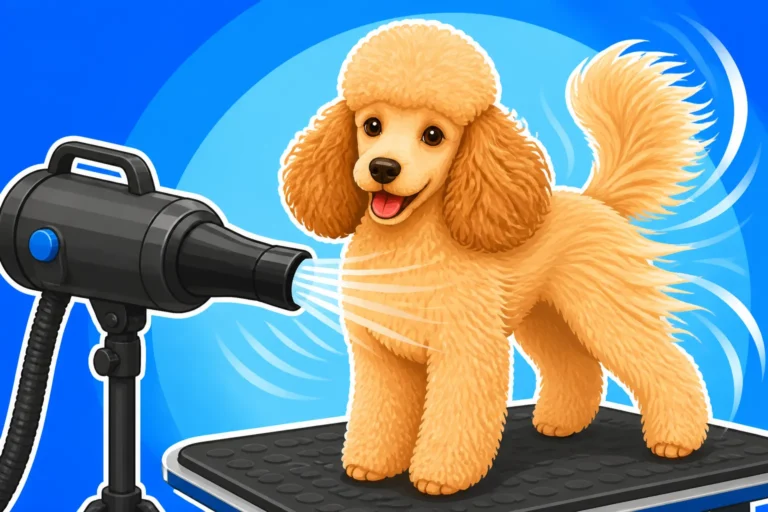
The way you dry your Poodle's topknot is just as important as how you wash it. Air drying a Poodle's coat, especially the topknot, is a recipe for disaster. It will shrink up, tangle, and become a matted mess. You need to use a high-velocity dog dryer or a human hairdryer on a cool setting, along with your slicker brush.
Begin by towel-drying the topknot to remove excess water, gently squeezing the hair rather than rubbing it. Then, using your dryer and slicker brush, systematically dry the topknot in sections. Hold the dryer nozzle a few inches away from the hair and brush continuously, stretching the hair straight as it dries. This process helps to straighten the curls, making the coat fluffy and, most importantly, tangle-free. For the topknot, you'll want to brush the hair forward over the face, then back, and then from side to side, ensuring every angle is dried straight. Using a High Velocity Dryer on a Poodle is a skill, but it’s one that truly pays off in a beautiful, mat-free coat. Make sure the hair is 100% dry down to the skin, as any dampness can encourage mats to form.
Trimming and Shaping the Topknot
The Poodle topknot is often a work in progress, constantly growing and evolving. Regular trimming is key not just for aesthetics, but also for your Poodle's comfort and eye health. It's about finding that balance between a full, luxurious look and practical, healthy upkeep.
When to Trim and How Much to Take Off
How often you trim the topknot depends largely on how quickly your Poodle's hair grows and your desired style. For pet Poodles, a trim every 4-6 weeks, coinciding with their full body groom, is usually sufficient to keep it neat and out of their eyes. If you're growing out a show topknot, you might only trim the ends to keep them tidy, but still regularly clip the hair around the eyes and mouth.
When trimming, the goal isn't to chop off huge chunks. Instead, you're looking to sculpt. Use thinning shears to blend lines and soften edges, and straight shears for precise shaping. Always use blunt-nosed scissors or electric clippers with a guard around the eyes to prevent accidental injury. The length and shape of the topknot can dramatically change your Poodle's expression, so it’s worth taking your time. Remember, you can always take more off, but you can't put it back on!
Shaping for Balance and Breed Standard
Even for pet Poodles, shaping the topknot thoughtfully contributes to their overall look and comfort. A well-shaped topknot should frame your Poodle's face, highlighting their elegant features. For a classic pet look, many owners opt for a rounded, full topknot that is kept short enough not to fall into the eyes or mouth, but long enough to retain that distinct Poodle poof. For a more sophisticated look, the topknot might be shaped to extend further back on the skull, creating a more elongated profile.
If you're interested in the intricacies of Trimming a Poodle's Face Clean for a specific look, you'll find that the topknot is inextricably linked. The hair around the bridge of the nose, the cheeks, and even the ears all contribute to the final shape and balance. While few pet Poodles need to adhere strictly to breed standards, understanding what they entail can inspire different looks. The ideal topknot in the show ring is often quite dramatic, requiring immense growth and meticulous shaping, which demands a high level of dedication to daily care.
Dealing with Growth Stages and "Fuzzy" Phases
Poodles, especially when they're transitioning from puppyhood to adulthood, go through a "coat change" phase. This is when their soft, fluffy puppy hair starts to give way to the denser, coarser adult coat. During this time, the topknot can become particularly prone to matting and might look a bit "fuzzy" or uneven. Coat Change in an Adolescent Poodle can be a challenging time for grooming, and the topknot often feels the brunt of it. Be extra diligent with brushing and conditioning during this period to prevent serious mats from forming.
As your Poodle ages, you might notice changes in their topknot as well. Some older Poodles experience thinning hair, even in the topknot. When a Poodle's Topknot Starts Thinning With Age can be a concern for owners. If this happens, you might adjust the style to a shorter, fuller trim to make it appear thicker, or simply accept the natural changes that come with age. Just as with humans, Poodles' hair can change texture and density over their lifespan, so be prepared to adapt your grooming routine accordingly.
Troubleshooting Common Topknot Problems
Despite your best efforts, sometimes issues arise with your Poodle's topknot. It’s frustrating when you put in all that work only to find a new tangle or notice an unappealing stain. But don’t despair! Most topknot problems have practical solutions, often involving a bit of extra diligence and the right approach.
Preventing and Removing Mats and Tangles
Mats are the bane of every Poodle owner's existence, and the topknot is often ground zero. The absolute best way to deal with mats is to prevent them. This means daily line brushing and combing, as detailed earlier. Consistency is key. Even a single skipped day can lead to a tangle that escalates into a mat, especially during the coat change phase or if your Poodle has been extra active.
If you do find a mat, do not reach for scissors unless it's an absolute last resort and you know what you're doing. Instead, saturate the mat with a good detangling spray or even a touch of human hair conditioner (rinse-out type) diluted with water. Use your fingers to gently pull the mat apart, strand by strand, from the outside edges inwards. Once it's loosened, you can use the fine end of your metal comb or a seam ripper to carefully pick it apart. Always support the skin at the base of the mat to minimize pulling and discomfort for your Poodle. For really tough mats, sometimes a mat splitter can help, but extreme caution is advised. If a mat is too close to the skin or too dense, it might be safer to consult a professional groomer, who has the specialized tools and experience to remove it safely.
Addressing Breakage and Thinning Hair
If your Poodle's topknot hair seems brittle, is breaking easily, or is generally thinning, there could be several factors at play. One common cause is rough handling during brushing or repeated tight banding. Always use soft latex bands and avoid pulling at the hair. Ensure your brushing technique is gentle and always use a detangling spray. Poor nutrition can also affect coat health; ensure your Poodle is on a high-quality diet that supports healthy skin and coat. Some owners even consider adding a skin and coat supplement, such as fish oil, after consulting with their veterinarian.
Underlying health issues, like thyroid problems or Early Sebaceous Adenitis on a Poodle's Topknot, can also manifest as poor coat quality, including thinning or brittle hair. If you notice significant or sudden changes in your Poodle's coat, especially if accompanied by other symptoms, a vet visit is warranted. They can run tests to rule out medical causes. Sometimes, simple measures like reducing the frequency of tight banding, using silk wraps, and ensuring proper hydration can make a big difference in preventing breakage and promoting healthier hair growth.
Keeping the Topknot Clean and Free of Debris
The topknot is front and center, meaning it's highly susceptible to picking up all sorts of debris. Food, water, dirt, leaves, and even sticky substances can quickly get embedded in the curls. Regular wiping with a damp cloth after meals can prevent food from drying and hardening in the hair. For dogs who love to dig or roll, a quick brush-through after outdoor adventures can remove loose debris before it has a chance to mat.
For tear staining around the eyes, which can extend into the topknot, daily cleaning is essential. Use a pet-safe tear stain remover or just warm water on a soft cloth to gently wipe the area. Be very careful around the eyes. Consistent cleaning can prevent the stains from setting in. Some Poodles are also prone to yeast infections in the skin folds around their eyes or mouth, which can cause reddish-brown staining and irritation. If you suspect a yeast issue or notice a strong odor, consult your vet. Keeping the hair around the eyes trimmed short can also help manage tear staining and improve hygiene.
Disclaimer
This article is for general informational purposes only and does not constitute professional advice. Laws, prices and regulations vary by location and change over time. Consult a qualified professional for guidance on your specific situation.