Shampoo and Conditioner for a Poodle Coat
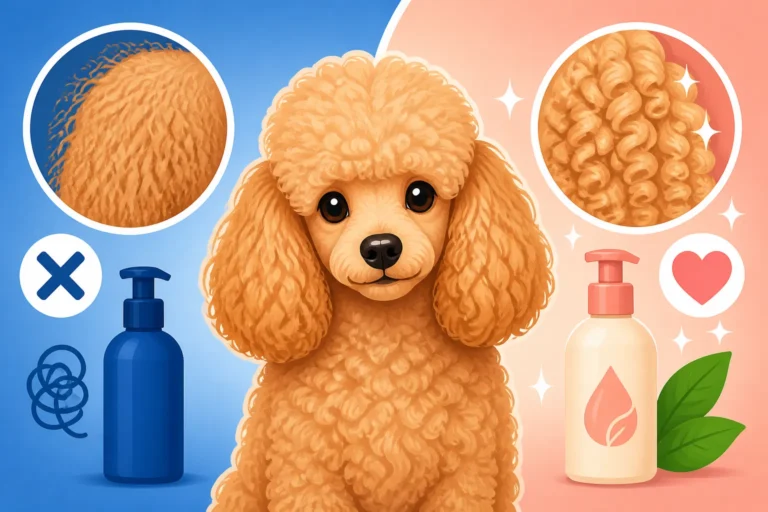
The sheer volume and unique texture of a Poodle's coat can feel like a full-time job, and choosing the right shampoo and conditioner is often the first overwhelming hurdle. It's not just about getting them clean; it's about preserving the health of their skin, preventing mats, and maintaining that signature Poodle look without causing irritation or damage. This comprehensive guide will walk you through everything you need to know about selecting and using the best bathing products for your beloved Poodle, ensuring their coat stays healthy, soft, and manageable.
Understanding the Unique Poodle Coat
Anyone who owns a Poodle knows their coat is unlike any other. It’s glorious, yes, but it’s also demanding. You can't just grab any old bottle off the shelf and expect good results. Understanding why your Poodle's coat is special is the first step in choosing the right products to care for it.
The Anatomy of a Poodle Hair Follicle
Unlike many dog breeds that have a double coat with a shedding undercoat, Poodles have a single layer of hair that grows continuously, much like human hair. Each follicle produces hair that has a much longer growth cycle, meaning it doesn't "fall out" in the same way fur does. Instead, shed hairs get caught within the surrounding curls, which is precisely why Poodles are often lauded as "hypoallergenic" and why they don't leave tufts of fur all over your house. This continuous growth, however, also means a constant need for grooming and proper product application to keep those strands healthy from root to tip. Ignoring this unique growth pattern is where many owners run into trouble, leading to breakage, dryness, and discomfort for their dog.
Why Poodle Hair Mats Instead of Shedding
Because those shed hairs get trapped in the ever-growing curls, they intertwine with the healthy hair, forming tangles and then tight mats. It's a never-ending battle if you don't stay on top of it. Mats aren't just an aesthetic problem; they can pull on the skin, causing pain, irritation, and even skin infections. They can also hide parasites or injuries. A well-chosen conditioner, combined with regular How Often a Poodle Must Be Brushed and proper drying, is crucial in preventing these knots from forming. Imagine trying to comb through tangled human hair that's been neglected for weeks – that's what a matted coat feels like to your Poodle. This constant matting tendency is a direct consequence of Why a Poodle Coat Mats Instead of Shedding, and it absolutely dictates your product choices and grooming routine.
The Impact of Coat Type on Product Absorption
The Poodle's dense, curly hair also absorbs products differently than a straight, coarse coat. Their hair is often described as feeling more like wool than fur, and it can be highly porous. This means it can soak up a lot of shampoo and conditioner, but it also means it can retain moisture and, unfortunately, residual product if not rinsed thoroughly. Products need to be able to penetrate the dense curls to clean effectively, yet rinse out completely to avoid buildup that can weigh down the coat, attract dirt, and even irritate the skin. Using products that are too heavy or leave too much residue can exacerbate matting and lead to dullness, counteracting all your hard work.
The pH Balance Playbook: Choosing the Right Shampoo
Selecting the right shampoo is arguably the most critical step in your Poodle's bathing routine. It sets the foundation for a clean, healthy coat and skin. But what exactly makes a shampoo "right"? It often comes down to pH balance and ingredients.
What pH Balance Means for Dog Skin and Coat
Dogs, including Poodles, have a skin pH that is different from humans. Human skin typically has a pH of around 5.5, which is slightly acidic. Dog skin, on the other hand, is usually closer to neutral, ranging from 6.5 to 7.5. This difference is vital. Using a human shampoo on your Poodle, even a gentle baby shampoo, can strip their skin's natural protective oils, alter its pH, and leave it vulnerable to dryness, irritation, and bacterial infections. A pH-balanced shampoo formulated specifically for dogs will help maintain the skin's natural barrier, keeping it healthy and resilient. This is why you'll often see "pH balanced for dogs" prominently displayed on reputable pet shampoo labels.
Ingredients to Seek Out in Poodle Shampoos
When you're scanning the ingredient list, look for gentle, natural cleansers and moisturizing components. Aloe vera, oatmeal, and vitamin E are excellent for soothing sensitive skin and adding moisture. Glycerin is another fantastic humectant that draws moisture to the skin and hair. Many high-quality Poodle shampoos also contain essential fatty acids or botanical extracts that support skin health and promote a shiny coat. Coconut oil derivatives are often used for their cleansing properties and are generally mild. Opt for shampoos that clearly state they are paraben-free, sulfate-free, and dye-free to minimize the risk of irritation. Brands available through retailers like Chewy often provide detailed ingredient lists and customer reviews that can guide your choices.
Red Flags: Shampoos to Steer Clear Of
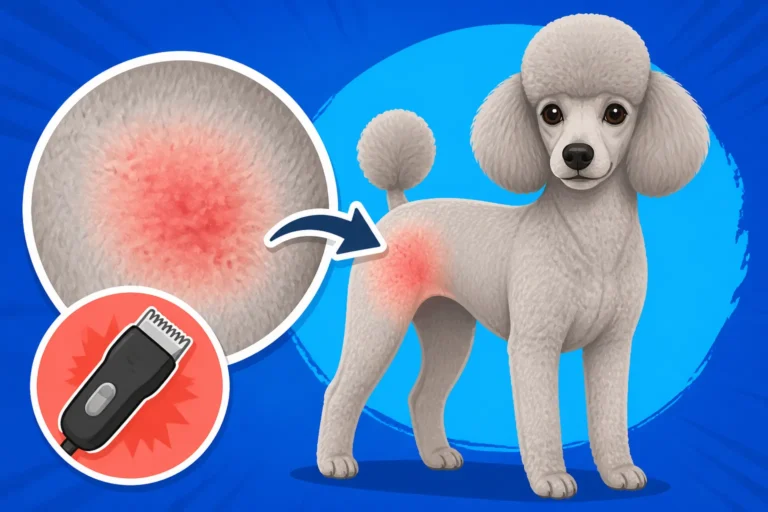
Just as important as knowing what to look for is knowing what to avoid. Harsh detergents, often listed as sodium lauryl sulfate (SLS) or sodium laureth sulfate (SLES), can be overly stripping and irritate sensitive Poodle skin. Artificial fragrances and dyes are common culprits for allergic reactions and can cause itchiness or redness. Alcohol, which can be found in some quick-dry formulas, will dry out both skin and coat. Avoid anything that isn't specifically formulated for dogs or promises to be a "one-step" solution if it doesn't clearly list gentle, beneficial ingredients. If your Poodle has known sensitivities, you might even consider consulting your vet for recommendations on shampoos for Poodle Allergies and Skin Reactions.
Conditioning for Curls: Why Conditioner Is Non-Negotiable
If shampoo is the foundation, conditioner is the structure that keeps your Poodle's coat strong and beautiful. Skipping conditioner is a disservice to your Poodle's hair, especially given its propensity to mat.
The Essential Role of a Good Conditioner
A good conditioner does several vital things for a Poodle's coat. Firstly, it restores moisture that even the gentlest shampoo might remove, leaving the hair soft and pliable. Secondly, it helps to smooth the hair shaft, which reduces friction between individual strands, making them less likely to tangle and mat. This makes brushing significantly easier and less painful for your Poodle, a huge win when you consider The Poodle Coat and Why It Never Stops Growing. Think of it as putting a protective, slippery layer over each hair, allowing brushes and combs to glide through. It also adds a healthy shine and can help prevent static electricity, which can contribute to tangling.
Different Types of Poodle Conditioners
Just like shampoos, conditioners come in various formulations:
- Rinse-Out Conditioners: These are the most common type, applied after shampooing and then thoroughly rinsed. They provide deep hydration and detangling benefits.
- Leave-In Conditioners/Detangling Sprays: Applied to wet or dry hair between baths, these can be a lifesaver for managing tangles and adding a boost of moisture and protection. They are excellent for daily touch-ups and can be especially useful for longer clips or before a thorough brushing session. Look for a Detangling Spray for a Matted Poodle if you're struggling with knots.
- Deep Conditioning Treatments: These are more intensive and are typically used periodically (e.g., once a month) for coats that are particularly dry, damaged, or prone to extreme matting. They often need to sit on the coat for a longer duration before rinsing.
The choice depends on your Poodle's specific coat needs and your grooming routine. Many owners use a combination of these products to keep their Poodle's coat in top condition.
Proper Application and Rinse-Out Techniques
Applying conditioner isn't just a quick slather. For a Poodle, you need to work it in thoroughly. After shampooing and a preliminary rinse, apply a generous amount of conditioner, focusing on areas prone to matting like the armpits, behind the ears, and the longer feathering on legs and tail. Gently massage it into the coat, ensuring it penetrates down to the skin. You might even use your fingers to carefully work through any minor tangles while the conditioner is in. Allow the conditioner to sit for the recommended time (usually 3-5 minutes for rinse-out types).
The most crucial step, however, is rinsing. Rinsing Product Out of a Poodle Coat cannot be overstated. Any conditioner left behind will attract dirt, weigh down the coat, and can cause skin irritation, leading to a dull, greasy feel and potential matting. Rinse until the water runs completely clear and the coat feels clean, not slimy. Then rinse for a few more minutes, just to be sure. A strong, steady stream of water and thoroughly working your fingers through the coat while rinsing are essential.
Specialized Solutions for Common Poodle Coat Woes
Even with the best general shampoo and conditioner, Poodles can sometimes face specific coat and skin challenges. Knowing when to reach for a specialized product can make a huge difference.
Addressing Dry, Itchy Skin and Dandruff
Dry, flaky skin and dandruff can plague Poodles, often exacerbated by environmental factors, diet, or improper bathing products. For these issues, look for shampoos with soothing ingredients like colloidal oatmeal, salicylic acid (in appropriate concentrations for dogs), or tea tree oil (again, dog-safe concentrations). Aloe vera is also excellent for calming irritation. Conditioners formulated for dry skin often contain emollients like shea butter or ceramides to lock in moisture. If the problem persists, or if you suspect something more serious like Whether a Poodle's Itch Is Allergy or Adenitis, it's always best to consult your veterinarian. Sometimes, an internal issue, like a diet lacking essential fatty acids (even if you're feeding a quality food like some fresh options from Ollie), can manifest as skin problems, so a holistic approach is key.
Shampoos and Conditioners for Allergy-Prone Poodles
Poodles can be prone to allergies, manifesting as itchy skin, redness, or hot spots. For these sensitive souls, truly hypoallergenic, fragrance-free, and dye-free products are non-negotiable. Look for formulas with minimal ingredients to reduce potential triggers. Prescription shampoos and conditioners might be necessary if your Poodle has severe allergies or specific skin conditions. These often contain medicated ingredients to address bacterial or fungal infections that can flare up with allergies. Your vet can guide you to brands that are gentle yet effective. Sometimes, a limited ingredient diet might be part of the solution, but topically, keeping their skin calm with appropriate products is vital.
Tackling Mats and Tangled Poodle Hair
While conditioner is your first line of defense against mats, sometimes you'll encounter stubborn tangles that need extra help. Detangling sprays and dematting conditioners are designed to lubricate the hair, making it easier to comb through knots without causing pain or breakage. These products usually contain silicones or other conditioning agents that create slip.
To use them effectively:
- Never try to brush a dry mat. Always moisten the mat first, ideally with a detangling spray.
- Apply the product directly to the mat. Let it soak in for a few minutes.
- Use a Which Slicker Suits a Poodle Coat and a Greyhound comb. Work from the outside of the mat in, teasing it apart gently, section by section.
- Be patient. Dematting takes time and a gentle touch. Pulling harshly will only cause pain and tighten the mat.
If a mat is too large or too tight, sometimes the kindest option is to carefully clip it out or have a professional groomer do a shave-down, which is far better than agonizing hours of pulling.
| Poodle Coat Concern | Recommended Shampoo Ingredients | Recommended Conditioner Ingredients | Additional Tips |
|---|---|---|---|
| General Maintenance | Aloe, Oatmeal, Glycerin, Coconut-derived cleansers | Shea Butter, Jojoba Oil, Ceramides, Silk Proteins | pH-balanced, sulfate-free, regular use |
| Dry/Itchy Skin | Colloidal Oatmeal, Aloe, Salicylic Acid (dog-safe), Vitamin E | Shea Butter, Ceramides, Essential Fatty Acids (e.g., Omega-3) | Avoid hot water, ensure thorough rinsing, consult vet if persistent |
| Allergies | Hypoallergenic, Fragrance-Free, Dye-Free, Minimal Ingredients | Hypoallergenic, Fragrance-Free, Dye-Free | Patch test new products, vet guidance for prescription needs |
| Matting/Tangling | Gentle cleansing, good lather | High-slip agents (silicones), Panthenol, Argan Oil | Use detangling spray, line brush regularly, do not brush dry mats |
| Dull Coat | Brighteners (natural, if possible), nourishing oils | Silk proteins, Vitamin E, Argan Oil | Ensure diet is balanced, finish with cool rinse |
Bathing Best Practices: Making the Most of Your Products
Having the right products is only half the battle; knowing how to use them effectively is the other. Proper bathing techniques will ensure your Poodle gets the most benefit from their shampoo and conditioner and minimize grooming headaches down the line.
Pre-Bathing Prep and Dilution Ratios
Before your Poodle even touches water, a thorough pre-bath brush-out is non-negotiable. This is where you remove as many loose hairs and tangles as possible before they get wet and tighten into impossible mats. Use your slicker brush and comb to How to Line Brush a Poodle Properly, making sure to get all the way down to the skin. Any mats left in will only get worse once wet, becoming incredibly difficult, if not impossible, to remove without shaving.
Next, consider diluting your shampoo. Many high-quality dog shampoos are concentrated and meant to be diluted with water (check the bottle for specific ratios, but often it's 10:1 or 16:1 water to shampoo). Diluting the shampoo ensures it spreads more evenly, penetrates the dense coat better, and rinses out more easily. Use a separate mixing bottle for this. A general recommendation for Bathing Frequency for a Poodle is every 3-4 weeks, but this can vary depending on activity levels and coat length.
Thorough Application for Optimal Cleanliness
Once your Poodle is thoroughly wet (use lukewarm water, not hot), apply the diluted shampoo. Start at the neck and work your way down the body, making sure to gently massage the shampoo through the entire coat, all the way to the skin. Pay special attention to commonly dirty areas like paws, legs, and under the tail. Don't forget the ears (being careful not to get water inside the ear canal), face, and topknot. Avoid scrubbing vigorously, as this can encourage tangles. Instead, use a gentle, massaging motion. The goal is to lift dirt and oil, not to create a tangled mess. For specific tips on facial grooming, you might want to read up on Trimming a Poodle's Face Clean.
The Critical Importance of Rinsing Product Out of a Poodle Coat
We've touched on this before, but it bears repeating: rinsing is paramount. It's the step most often rushed, and it leads to more coat problems than almost anything else. Residue from shampoo or conditioner can cause skin irritation, dryness, flaking, and a dull, greasy-looking coat. It can also act like a magnet for dirt, making your Poodle get dirty faster, and contributes significantly to matting.
After shampooing, rinse, rinse, and rinse again. Then, when you think you're done, rinse some more. Run your hands through the coat, feeling for any slippery residue. Use a strong, but not painful, stream of water. For a Standard Poodle, this can feel like an endless task. Make sure to lift legs, check armpits, and rinse under the tail. Once you've applied conditioner, the same rule applies: rinse until the water runs completely clear and the coat feels clean, not slimy. A final cool rinse can help close the hair cuticles, enhancing shine.
Decoding Product Labels: What to Look For and What to Avoid
Navigating the seemingly endless array of pet grooming products can feel like deciphering a foreign language. Understanding common label terms and ingredients empowers you to make informed choices for your Poodle.
Natural Versus Synthetic Ingredients
The term "natural" on a label can be a bit of a marketing buzzword, but generally, products boasting natural ingredients tend to be gentler. Look for recognizable plant-derived components like aloe vera, oatmeal, coconut oil, and various botanical extracts. These are often chosen for their soothing, moisturizing, and antiseptic properties. However, "natural" doesn't always mean "safe" for every dog. Some natural essential oils, while beneficial for humans, can be irritating or even toxic to dogs if not used in appropriate concentrations.
Synthetic ingredients aren't inherently bad; many are safe and effective. For example, certain mild surfactants are synthetic but perform well without stripping the coat. The key is to avoid harsh, potentially irritating synthetics like strong sulfates, artificial dyes, and parabens, especially for a breed like the Poodle that can be prone to skin sensitivities.
Fragrances, Dyes, and Preservatives
These are often the hidden culprits behind skin irritation and allergic reactions in Poodles.
- Fragrances: While a pleasant scent is appealing to humans, artificial fragrances can be highly irritating to a dog's sensitive nose and skin. They are often a complex mix of chemicals, and "fragrance" can hide many undisclosed ingredients. Opt for fragrance-free products, or those scented only with dog-safe, natural essential oils (used sparingly and at low concentrations).
- Dyes: Artificial colors add nothing to the product's efficacy and are purely for human aesthetic appeal. They can be allergens and are best avoided, particularly for Poodles with white or light-colored coats where they can sometimes leave a tint or residue.
- Preservatives: Preservatives are necessary to prevent bacterial and fungal growth in water-based products. However, some common preservatives like parabens (methylparaben, propylparaben) and formaldehyde-releasing agents (e.g., quaternium-15) have raised health concerns. Look for products that use gentler, safer preservatives like vitamin E, rosemary extract, or certain plant-based compounds. Reputable brands sold on platforms like Amazon often highlight their commitment to safer preservative systems.
Understanding the "Hypoallergenic" Claim
The term "hypoallergenic" on a dog shampoo means that the product is formulated to contain fewer known allergens or irritating ingredients, thus reducing the likelihood of an allergic reaction. It doesn't mean it's impossible for your Poodle to react, as any dog can be sensitive to a specific ingredient, even a natural one.
When a product claims to be hypoallergenic, it typically suggests it's free from common irritants like artificial dyes, fragrances, sulfates, and parabens. For Poodles, whose skin can be quite reactive, these products are often an excellent starting point, especially if your Poodle has a history of skin issues or suspected allergies. However, always do a patch test on a small area of skin if you're introducing a new product to a very sensitive Poodle, and monitor for any adverse reactions. If your Poodle has severe allergies, an elimination diet for Elimination Diets for an Itchy Poodle might be necessary, and bathing products may need to be vet-prescribed.
Disclaimer
This article is for general informational purposes only and does not constitute professional advice. Laws, prices and regulations vary by location and change over time. Consult a qualified professional for guidance on your specific situation.