Toy Poodle Diseases Standards Rarely Get
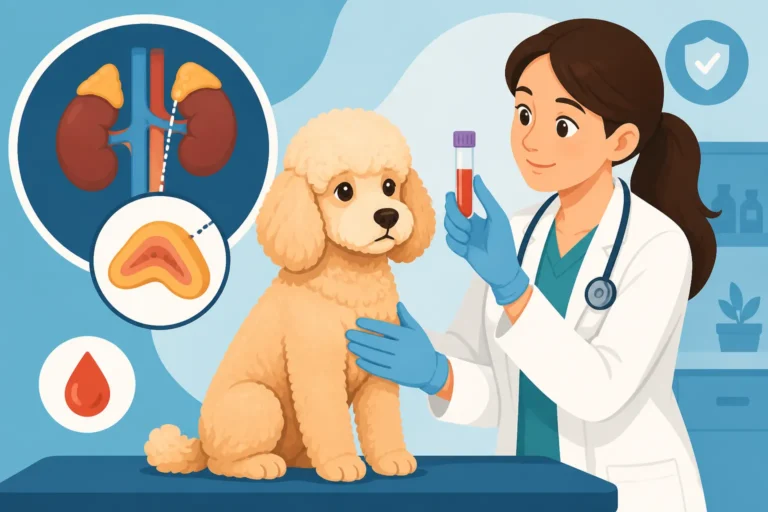
It’s a common misconception that all Poodles, regardless of their size, face the exact same health challenges. While the Poodle breed as a whole is known for certain predispositions, the reality is that the vast differences in size between a tiny Toy Poodle and a robust Standard Poodle lead to a remarkably different set of health concerns. This comprehensive guide will shed light on the unique diseases and conditions that are either exclusive to or significantly more prevalent in Toy Poodles compared to their larger Standard Poodle cousins, helping you understand how to best care for your pint-sized companion.
The Distinct Physiology of the Toy Poodle
Understanding the unique physical makeup of a Toy Poodle is the first step in appreciating why their health concerns can differ so dramatically from a Standard Poodle's. These little dynamos are not just miniature versions of the larger varieties; their small stature brings with it a specific set of physiological characteristics that predispose them to certain ailments.
Delicate Bone Structure and Small Stature
Imagine a creature that weighs less than ten pounds, often under six. Their bones are incredibly fine, their joints compact, and their entire skeletal system is designed for minimal weight-bearing. This delicate structure, while making them incredibly agile and seemingly boundless in energy, also renders them more vulnerable to orthopedic issues that a more heavily-boned Standard Poodle might rarely encounter. A simple jump from a sofa, a misstep during play, or even an awkward landing can put undue stress on their tiny joints and ligaments.
Think about the impact of everyday activities. A Standard Poodle can leap off a deck, bound through tall grass, or take a tumble without much concern for serious injury to their limbs. Their substantial bone density and larger, deeper-set joints offer a level of resilience that Toy Poodles simply do not possess. For a Toy Poodle, even a seemingly minor fall can lead to a fracture or a dislocated kneecap. Their small size also means that the impact on internal organs during any trauma, however slight, can be more profound, as there's less body mass to absorb the shock. This inherent delicacy requires a conscious effort from owners to create a safe environment, free from high jumps or precarious situations that could lead to injury.
Rapid Metabolism and Unique Energy Needs
Toy Poodles are like tiny, high-performance engines constantly running at a fast idle. Their small body mass means they have a disproportionately high surface area to volume ratio compared to larger dogs. This leads to rapid heat loss and an incredibly fast metabolism. They burn through calories and glucose at an astonishing rate, which is why a Toy Poodle often needs to eat more frequently than a Standard Poodle, relative to their body weight. This rapid metabolic turnover plays a significant role in their susceptibility to certain metabolic conditions, particularly in their puppyhood and even into adulthood if not managed properly.
Consider a Toy Poodle puppy; they have minimal fat reserves and their liver, responsible for producing and storing glucose, is still developing its full capacity. If a meal is missed, or if they expend too much energy without replenishment, their blood sugar can drop precipitously, leading to a condition called hypoglycemia. Standard Poodles, with their larger body mass and more robust metabolic systems, are far less likely to experience such rapid and severe drops in blood sugar. Even as adults, a Toy Poodle might feel the effects of prolonged fasting or intense exercise much more acutely than a Standard, emphasizing the need for consistent, appropriate nutrition and energy management throughout their lives. This fundamental difference in energy dynamics is critical for Toy Poodle owners to grasp for their dog’s ongoing health.
Common Orthopedic Challenges Specific to Toy Poodles
The graceful, often dainty movement of a Toy Poodle belies a vulnerability in their orthopedic structure that is far more pronounced than in their larger Poodle relatives. These small joints and delicate bones are prone to specific issues, making regular veterinary check-ups crucial for early detection and management.
Luxating Patella and Tiny Kneecaps
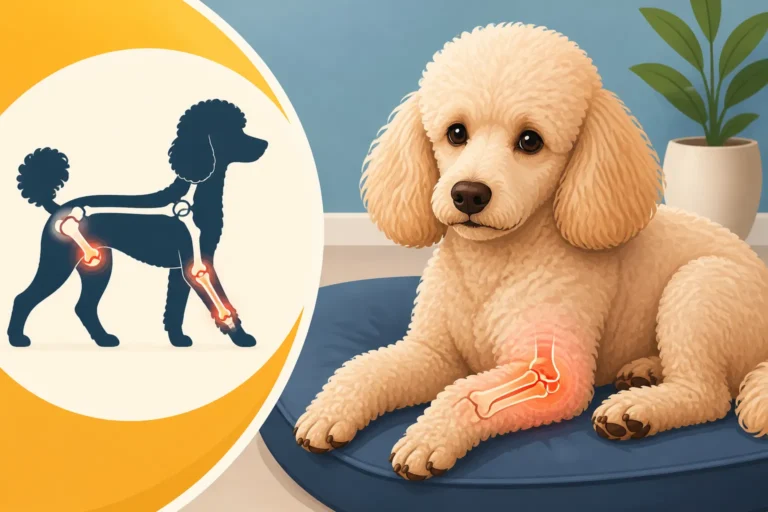
One of the most common orthopedic conditions seen in Toy Poodles, and small breeds in general, is luxating patella. This simply means the kneecap (patella) slips out of its normal groove in the thigh bone (femur). When you see a Toy Poodle suddenly skip a step, hold up a hind leg for a few strides, and then seemingly return to normal, it’s often a tell-tale sign of a luxating patella. The anatomy of smaller dogs often includes shallower trochlear grooves (the channel in the femur where the patella glides) and weaker ligaments, making it easier for the kneecap to dislocate. This can be caused by genetics, trauma, or a combination of both.
The severity of luxating patella is graded from 1 (mild, occasional slipping) to 4 (severe, permanently dislocated). While some lower-grade luxations can be managed conservatively with weight control, joint supplements, and controlled exercise, higher-grade luxations often require surgery to deepen the trochlear groove and realign the patella. Neglecting this condition can lead to chronic pain, arthritis, and further damage to the knee joint. It's a key reason why breeders of Toy Poodles should screen their breeding stock, and why owners should be vigilant about their dog's gait. For more detailed information on this common issue, you can read our article on Luxating Patella in Toy and Miniature Poodles. Understanding When a Toy Poodle's Kneecap Needs Surgery is also vital for owners facing this diagnosis.
Legg-Calve-Perthes Disease
Another orthopedic condition that disproportionately affects smaller breeds, including Toy Poodles, is Legg-Calve-Perthes disease (LCPD). This is a degenerative disease of the hip joint where the blood supply to the head of the femur (the ball part of the ball-and-socket hip joint) is interrupted. Without adequate blood flow, the bone tissue dies and eventually collapses, leading to significant pain and lameness. While the exact cause isn't fully understood, it's believed to have a genetic component and typically manifests in puppies between 5 and 8 months of age.
Symptoms often include sudden onset of lameness, reluctance to bear weight on the affected leg, pain when the hip is manipulated, and muscle wasting in the hindquarters. Diagnosis usually involves X-rays, which will show characteristic changes in the femoral head. Unlike hip dysplasia, which is more common in larger breeds like Standard Poodles, LCPD is almost exclusively a small breed problem. Treatment for LCPD is usually surgical, involving a femoral head ostectomy (FHO) where the head and neck of the femur are removed, allowing a "false joint" to form. With physical therapy, most dogs recover well and can live pain-free lives. To learn more about this specific ailment, check out our guide on Legg-Calve-Perthes in Small Poodles.
Respiratory and Tracheal Vulnerabilities
Beyond their delicate bone structure, Toy Poodles also possess respiratory systems that, while fully functional, can be more susceptible to certain conditions compared to their larger counterparts. Their compact size and anatomical differences create distinct challenges, particularly concerning their windpipe.
Collapsing Trachea and Its Distinctive Cough
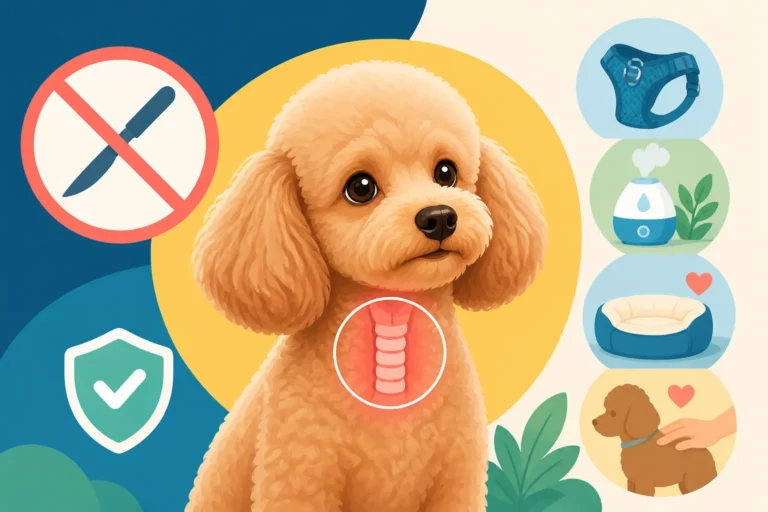
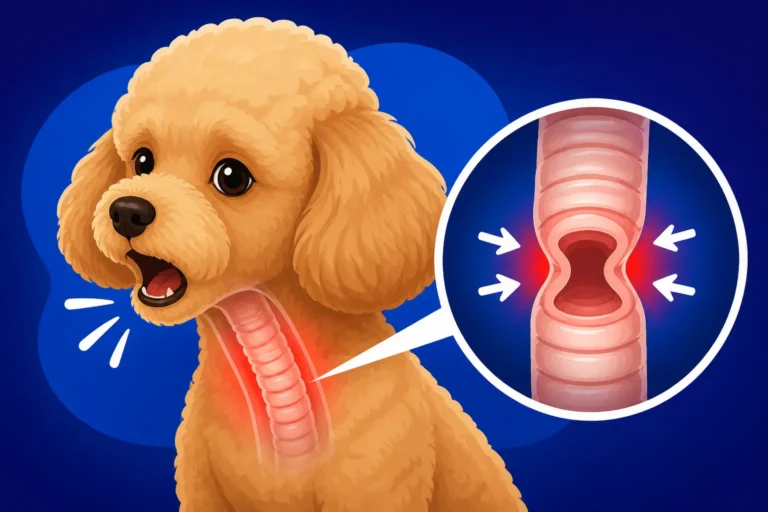
One of the most concerning respiratory issues for Toy Poodle owners is a collapsing trachea. The trachea, or windpipe, is a tube made of cartilage rings that carries air to and from the lungs. In dogs with collapsing trachea, these rings weaken and flatten, making it difficult for air to pass through freely. This typically manifests as a distinctive, harsh, dry cough that often sounds like a goose honking. It can worsen with excitement, exercise, eating or drinking, and when pulling on a collar. Toy Poodles are predisposed to this condition due to the inherent delicacy of their tracheal cartilage, which can be more prone to softening or malformation.
Managing a collapsing trachea involves a multi-faceted approach. First and foremost, switching from a neck collar to a harness is critical to prevent pressure on the windpipe; a sudden tug on a collar can easily trigger a coughing fit or exacerbate the collapse. Weight management is also crucial, as excess weight puts more strain on the respiratory system. Your vet might prescribe medications to reduce inflammation, suppress the cough, or dilate the airways. In severe cases, surgical intervention, such as placing a tracheal stent, may be considered, though it comes with its own risks. Understanding Collapsing Trachea in a Toy Poodle and recognizing The Honking Cough of a Toy Poodle are crucial for early intervention. For practical advice on management, explore Managing a Toy Poodle's Trachea Without Surgery and learn Why Harnesses Matter for a Toy Poodle's Throat.
Sensitive Lungs and Environmental Factors
While not a specific disease, the overall sensitivity of a Toy Poodle’s respiratory system to environmental irritants is noteworthy. Their smaller lung capacity and more delicate airways can make them more reactive to elements that might barely bother a larger dog. Things like strong perfumes, air fresheners, cleaning chemicals, cigarette smoke, or even heavy dust can trigger coughing, wheezing, or respiratory distress in a sensitive Toy Poodle. They simply have less 'buffer' in their system to cope with these irritants.
Consider a household where a Standard Poodle might happily nap near a scented candle or after a floor has been cleaned with strong detergents. A Toy Poodle, by contrast, might start coughing, sneezing, or even become lethargic due to irritation. Extreme temperatures, both hot and cold, can also impact their ability to regulate breathing effectively. In very humid conditions, their small airways might struggle to transfer oxygen efficiently, leading to labored breathing. Conversely, in very cold, dry air, their delicate bronchi can become irritated, triggering coughs. Owners must be extra mindful of their home environment, opting for pet-safe cleaning products, avoiding smoking indoors, and ensuring their Toy Poodle is not exposed to harsh temperature extremes or strong airborne irritants.
Metabolic and Endocrine Differences
The bustling energy and compact size of a Toy Poodle are intrinsically linked to their unique metabolic processes. These differences set them apart from their larger cousins, making them susceptible to certain endocrine and metabolic imbalances that require careful management from their owners.
Hypoglycemia in Puppies and Small Adults
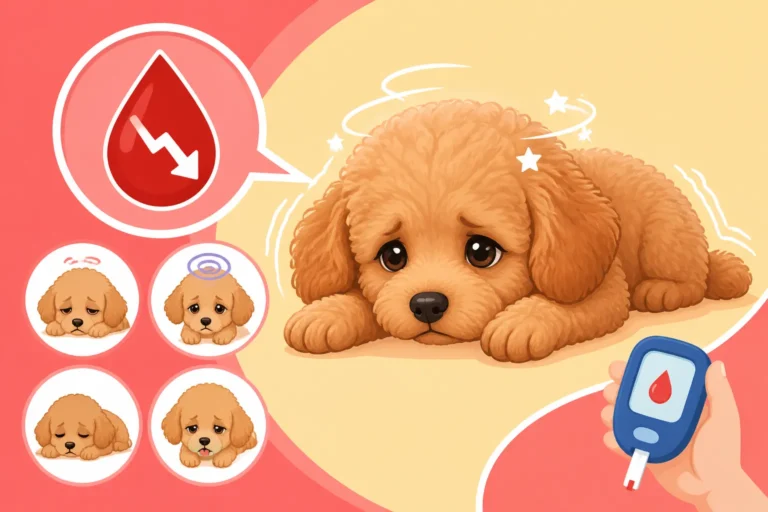
Hypoglycemia, or low blood sugar, is a serious and potentially life-threatening condition that disproportionately affects Toy Poodles, particularly as puppies. Due to their rapid metabolism, limited fat reserves, and still-developing livers, Toy Poodle puppies struggle to maintain stable blood glucose levels if they miss meals, over-exert themselves, or become chilled. Even in adult Toy Poodles, prolonged fasting or intense stress can trigger a hypoglycemic episode, though it's less common than in puppies. The signs can be sudden and alarming: lethargy, weakness, wobbliness, disorientation, shivering, muscle tremors, and in severe cases, seizures or unconsciousness.
Preventing hypoglycemia is about vigilance and consistent care. Puppies often need to be fed small, frequent meals throughout the day – sometimes as often as every 3-4 hours – to keep their blood sugar stable. Using high-quality, calorie-dense puppy food is essential. Owners should also limit stressful situations and excessive exercise, especially for young puppies. If you suspect your Toy Poodle is experiencing a crash, immediate action is crucial. Rubbing a small amount of corn syrup, honey, or a special glucose gel on their gums can provide a rapid sugar boost while you transport them to a vet. Having a basic understanding of Blood Sugar Crashes in a Toy Poodle is invaluable. For puppy owners, our articles on Hypoglycemia in a Toy Poodle Puppy, recognizing Signs of Low Blood Sugar in a Toy Poodle Puppy, and knowing what to do in an Emergency Sugar for a Crashing Toy Poodle situation are vital resources. It’s also important to understand How Often a Toy Poodle Puppy Must Eat to prevent these incidents.
Dental Disease and Retained Deciduous Teeth
While dental disease is a prevalent issue across all dog breeds, it strikes small breeds like Toy Poodles with particular ferocity and at a much younger age. Their tiny mouths often struggle to accommodate all 42 adult teeth, leading to overcrowding. This cramped arrangement makes it much easier for food particles and bacteria to accumulate, forming plaque and tartar. The tight spacing creates ideal pockets for bacteria to thrive, quickly leading to gingivitis, periodontal disease, and early tooth loss.
A common contributing factor in Toy Poodles is the issue of retained deciduous (baby) teeth. In larger breeds, baby teeth typically fall out on their own as the adult teeth erupt. In Toy Poodles, however, it's very common for baby teeth, especially the canines and incisors, to stubbornly remain even after the adult tooth has emerged. This creates a double set of teeth, further exacerbating overcrowding and trapping even more food debris. These retained baby teeth must be extracted by a veterinarian, usually during a spay or neuter procedure, to prevent serious dental problems down the line. Regular brushing, dental chews specifically designed for small breeds, and professional dental cleanings are not just recommended for Toy Poodles; they are absolutely essential to maintain their oral health and prevent secondary issues that can arise from chronic infection. To dive deeper into this topic, consider reading Toy Poodle Dental Disease by Size and understanding Why Small Poodles Lose Teeth Early or the problem of Retained Baby Teeth in a Toy Poodle.
Ocular and Other Sensory Concerns
The expressive eyes of a Toy Poodle are one of their most endearing features, but these delicate organs, along with other sensory systems, can be prone to specific issues, some of which are more pronounced in smaller Poodle varieties. Being aware of these potential problems allows for proactive care and early intervention.
Progressive Retinal Atrophy Predominance
Progressive Retinal Atrophy (PRA) is a group of degenerative eye conditions that affect the retina, eventually leading to blindness. While PRA can occur in all Poodle sizes, certain forms, like progressive rod-cone degeneration (PRCD-PRA), are particularly noted in Miniature and Toy Poodles. This genetic disease causes the photoreceptor cells in the retina (rods and cones) to gradually deteriorate. Initially, affected dogs may experience night blindness, which progresses to daytime blindness over months or years. It’s a heartbreaking condition, as it slowly robs them of their sight.
For responsible Toy Poodle breeders, genetic testing for PRA is paramount to avoid passing this devastating gene to future generations. If you're considering a Toy Poodle, always ask about the genetic health testing of the parents. For owners of affected dogs, recognizing the signs – such as bumping into furniture in dim light, hesitation to navigate unfamiliar areas, or pupils appearing more dilated – is important. While there is no cure, an early diagnosis allows owners to prepare and adapt their home environment to help their dog cope with vision loss. Consistent furniture placement, clear pathways, and using scent cues can help a blind Poodle navigate their world safely and confidently. You can find more comprehensive information on this topic in Progressive Retinal Atrophy in Miniature Poodles and general insights into Inherited Blindness in Poodles. If you're wondering When Poodle Retinal Atrophy Starts or about DNA Testing a Poodle for PRA, those resources are also available.
Cataracts and Vision Impairment
Cataracts, characterized by a clouding of the eye's lens, can affect dogs of any age or breed, including all sizes of Poodles. However, Toy Poodles may experience certain types of cataracts more frequently, or the visual impact can be more significant due to their smaller size. While hereditary cataracts are a concern, secondary cataracts can also develop in Toy Poodles as a complication of other systemic diseases, most notably diabetes. If a Toy Poodle develops diabetes, cataracts can progress very rapidly, sometimes leading to complete blindness within weeks or months.
The symptoms of cataracts are typically visible as a cloudy or bluish-white appearance within the pupil. Owners might also notice their dog becoming clumsier, hesitating to jump, or struggling to see in dim light. Diagnosis is confirmed through a veterinary ophthalmic exam. For visually impairing cataracts, surgical removal and replacement with an artificial lens can restore sight and significantly improve a dog's quality of life. This surgery is highly specialized and requires careful post-operative care. Early detection and management of underlying conditions, such as diabetes, are key to preventing secondary cataracts. Our article on Cataracts in a Diabetic Poodle offers more specific details on this linked condition.
Understanding and Mitigating Risks with a Healthy Paws Plan
Caring for a Toy Poodle means being aware of their unique health predispositions. While some conditions are genetic and unavoidable, a proactive approach to their health, coupled with financial planning, can make a world of difference in their well-being and your peace of mind.
Proactive Care and Preventative Measures
The best offense is a good defense, and this holds true for the health of your Toy Poodle. Regular, routine veterinary check-ups are paramount. Your vet can catch subtle signs of conditions like luxating patella or early dental disease before they become severe. Discussing your Toy Poodle's diet and exercise needs with your vet will help prevent issues like hypoglycemia and obesity, which can exacerbate orthopedic and respiratory problems. For puppies, ensuring they eat frequently and don't over-exert themselves is critical.
Beyond vet visits, daily home care plays a huge role. Consistent dental hygiene, including daily brushing, can dramatically reduce the risk of severe periodontal disease. Maintaining a healthy weight prevents unnecessary strain on delicate joints and reduces the risk of tracheal collapse complications. For breeds like the Poodle, with specific genetic predispositions, choosing a reputable breeder who conducts comprehensive genetic health testing for conditions like PRA is the most significant preventative measure you can take to ensure a healthy start. Ask to see proof of health clearances for both parents, not just claims.
Pet Insurance as a Financial Safety Net
Let's be realistic: managing the health issues common to Toy Poodles can become expensive, quickly. Surgeries for luxating patella or Legg-Calve-Perthes disease can run into thousands of dollars. Ongoing medication for a collapsing trachea or frequent emergency visits for hypoglycemia can also add up. This is where pet insurance, like a plan from Healthy Paws, can become an invaluable financial safety net. Pet insurance helps mitigate the high costs of unexpected illnesses, accidents, and even some chronic conditions, ensuring you can make medical decisions based on what’s best for your furry family member, not just your wallet.
A good pet insurance policy can cover a significant portion of veterinary bills for eligible conditions, including diagnostic tests, surgeries, medications, and emergency care. For Toy Poodle owners, choosing a policy that offers robust coverage for orthopedic issues, respiratory problems, and metabolic emergencies is particularly wise. While pre-existing conditions are typically not covered, getting a policy when your Poodle is young and healthy can protect against future unforeseen ailments. It provides immense peace of mind, knowing that if your tiny companion needs specialized care, you won't have to choose between their health and your financial stability. Thinking about Insuring a Poodle Against Addison's and Bloat might seem geared towards Standards, but the principles of financial protection apply across sizes. Understanding Poodle Insurance Premiums by Size and Age can help you budget for this essential investment in your Toy Poodle's long-term health.
Comparing Health Risks: Toy Poodle vs. Standard Poodle
To truly grasp the distinction in health concerns, it's helpful to see a direct comparison. While both Toy and Standard Poodles are Poodles, their size divergence creates unique challenges for each.
| Condition / Predisposition | Toy Poodle Predisposition | Standard Poodle Predisposition |
|---|---|---|
| Luxating Patella | High (due to small, shallow joints) | Low |
| Legg-Calve-Perthes Disease | High (small breed specific) | Very Low / Rare |
| Collapsing Trachea | High (delicate cartilage) | Low / Rare |
| Hypoglycemia (especially puppies) | High (rapid metabolism, low reserves) | Low |
| Dental Disease & Retained Teeth | High (overcrowded tiny mouths) | Moderate (but less severe/earlier onset than Toy) |
| Progressive Retinal Atrophy (PRA) | Moderate to High (certain forms, e.g., PRCD-PRA) | Moderate (some forms exist) |
| Addison's Disease | Low | High |
| Bloat (Gastric Dilatation-Volvulus) | Extremely Low / None | High (due to deep chest) |
| Hip Dysplasia | Very Low | Moderate to High |
| Sebaceous Adenitis | Low | Moderate to High |
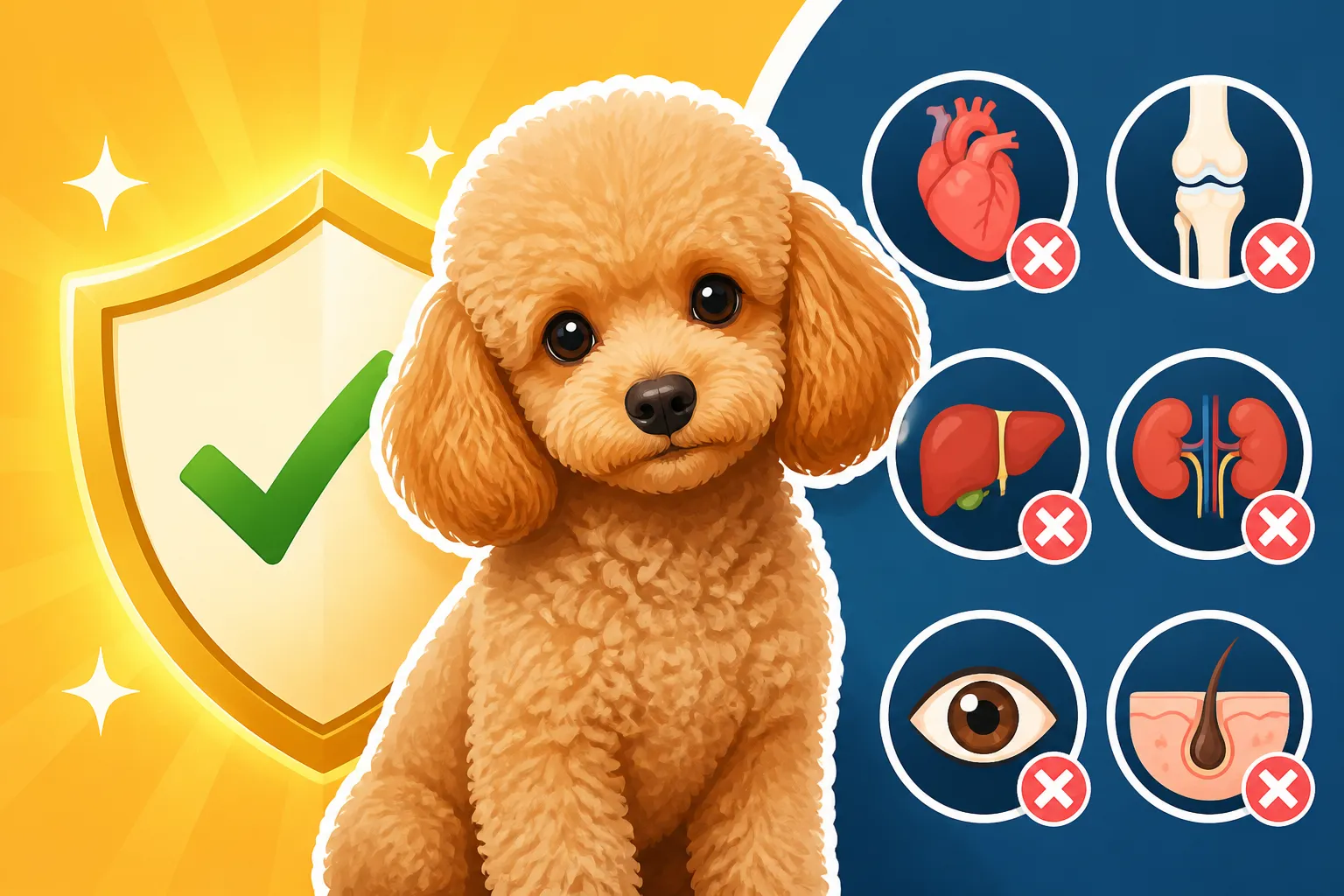
This table highlights just how different the health landscapes can be. While Standard Poodles contend with serious, often life-threatening issues like Addison's disease and bloat, Toy Poodles face a different array of challenges, often related to their delicate structure and metabolic nuances.
Final Thoughts on Toy Poodle Health
Bringing a Toy Poodle into your life is a joyful experience, filled with boundless energy, sharp intelligence, and a whole lot of love in a small package. But being a responsible owner means being fully informed about their specific health predispositions. Understanding these unique challenges, from their delicate orthopedic structure and sensitive respiratory systems to their metabolic quirks and dental vulnerabilities, is key to providing them with the best possible care.
By choosing a reputable breeder who conducts thorough genetic health screenings, maintaining a vigilant routine of preventative veterinary care, focusing on appropriate nutrition and a safe home environment, and considering a financial safety net like Healthy Paws pet insurance, you can proactively address many of the concerns unique to Toy Poodles. This informed approach will not only help you identify potential issues early but will also empower you to ensure your beloved companion lives a long, healthy, and happy life by your side.
Disclaimer
The information provided in this article is for educational purposes only and is not a substitute for professional veterinary advice. Always consult with a qualified veterinarian for any health concerns or before making any decisions related to your pet's health or treatment.