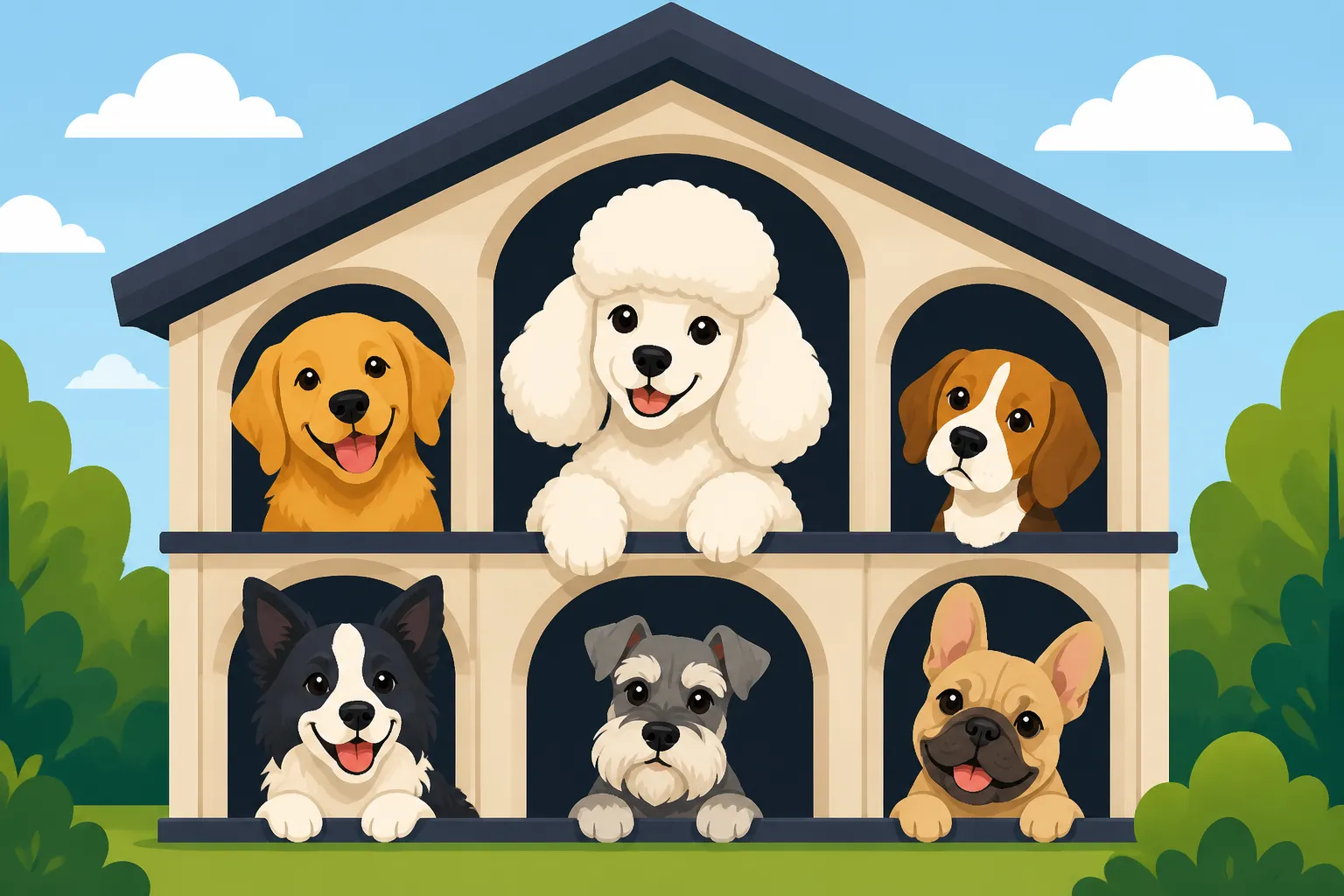
A Poodle in a Multi-Dog House
Bringing a new dog into your home when you already have one (or several!) can feel like you're navigating a minefield, especially when one of those dogs is a Poodle. Poodles, with their famously sharp minds and often sensitive souls, react to changes and new companions in unique ways. This guide is here to walk you through the nuances of fostering harmony in a multi-dog household, whether you're adding a Poodle to your existing pack or bringing another furry friend into your Poodle's carefully curated world.
Understanding the Poodle's Social Nature in a Pack Environment
Before you even think about introductions, it’s crucial to understand the Poodle's intrinsic nature. They aren't just pretty faces; they're incredibly intelligent, emotionally attuned, and, depending on the individual, can be quite particular about their space and their people. Ignoring these traits can lead to stress, friction, and a less-than-happy household for everyone.
The Poodle's Sensitivity and How It Affects Pack Dynamics
Poodles are renowned for their high intelligence, often ranking right up there with the brightest of breeds. But this sharp intellect often comes hand-in-hand with a profound sensitivity. This isn't a weakness; it's just how they're wired. A Poodle might pick up on the most subtle shifts in household dynamics, the unspoken tensions between dogs, or even your own stress. If you have a boisterous, rough-and-tumble breed already, a Poodle might find their energy overwhelming, leading them to retreat or, if pushed, to snap out of fear.
Imagine your Poodle, perhaps a Miniature Poodle, is a delicate dancer, preferring graceful movements and calm interactions. Now, envision a boisterous Labrador joining the family, all wagging tail and clumsy enthusiasm. The Poodle might initially be wary, perhaps even a bit annoyed. They might signal their discomfort through subtle body language – a slight head turn, a lip lick, a yawn, or moving away. If these signals are missed by the human or the other dog, the Poodle's stress levels will climb. It's not that they dislike other dogs; it's that they process interactions differently. Understanding Reading Pain in a Sensitive Poodle is paramount, as Poodles often internalize stress before it boils over. They might become quiet, withdrawn, or even show a temporary loss of appetite, all signs that something is amiss in their world.
Poodle Pack Hierarchy and Resource Guarding
While Poodles aren't typically known for aggressive resource guarding in the same way some other breeds might be, their loyalty and strong attachments can lead to issues if not managed correctly. They bond deeply with their human companions and can sometimes feel possessive of that bond, or of prime real estate like a favored lap, a plush dog bed, or even certain toys. In a multi-dog home, this can manifest as subtle cuts-off, where your Poodle physically positions themselves between you and another dog, or a soft growl if a housemate approaches their meal.
Resource guarding isn't always about aggression; sometimes it's simply a Poodle's way of saying, "This is mine, and I value it." If you’re introducing a new dog, especially a puppy, to a resident Poodle, be mindful of how they react to shared items. Food bowls, chew toys, and even your attention can become points of contention. Imagine your Poodle has always had free roam of the living room sofa. When a new pup arrives and immediately jumps up, your Poodle might give a hard stare, or even a low rumble. It's not about being mean; it's about a perceived threat to their established comfort and status. Providing separate, designated spaces for each dog, especially during meal times or when high-value treats are involved, can mitigate many potential conflicts before they start. The core of The Poodle Character reveals a dog that thrives on order and clear communication, making consistent management key.
Introducing a Poodle to Your Existing Dogs (or Vice Versa)
The initial introduction is perhaps the most critical stage in building a harmonious multi-dog household. Rushing this process, or doing it incorrectly, can set the stage for long-term tension and even outright conflict. Patience, observation, and a structured approach are your best allies.
The Crucial First Meeting and Neutral Territory
You wouldn't invite a stranger into your home without a proper introduction, and the same goes for dogs. The very first meeting between dogs should ideally happen on neutral territory. This minimizes any territorial feelings that your resident dog might have about their home turf. Think a quiet park, a large field, or even just a less-frequented street. Keep both dogs on leash, but make sure the leashes are loose to avoid adding tension.
A fantastic way to start is with a parallel walk. Have two handlers, one for each dog, walk parallel to each other, maintaining enough distance so the dogs aren't stressed but are aware of each other's presence. Gradually, you can decrease the distance. This allows them to sniff the same ground, hear each other, and observe one another without direct, head-on pressure. During these walks, observe their body language intently. Are their tails wagging loosely, or tucked tight? Are their ears relaxed, or pinned back? Are they sniffing the ground calmly, or showing stiffness and staring? Short, positive interactions are key. Let them sniff each other briefly, then move apart. End on a good note, even if it's just a few seconds of calm sniffing. Remember, A Poodle Puppy Meeting the Resident Dog needs a gentle, carefully orchestrated introduction to avoid overwhelming them or causing the resident dog undue stress. Keep initial meetings brief, positive, and always supervised.
Managing Introductions at Home
Once you’ve had a few successful neutral territory meetings, it’s time to bring them home. But don't just open the door and let chaos reign! This is where careful management comes in. Initially, it's often best to keep the dogs separated, especially if one is a new Poodle puppy. Crate and rotate is a common strategy: one dog is crated or in a secure, separate room, while the other is out, and then they switch. This allows them to get used to each other's scents, sights, and sounds without direct, unsupervised interaction.
When they are together, it should always be under strict supervision. Use baby gates to create visual but safe barriers, allowing them to see each other and acclimate. Feed them in separate rooms to prevent any food-related guarding issues. Provide separate water bowls, beds, and a generous supply of toys so there's no competition. When you do allow them to interact directly, keep the sessions short and positive. Engage them in calm activities, like individual treat dispensing or a brief, quiet cuddle with you. Avoid high-energy games or exciting new toys in these early stages, as they can quickly escalate into conflict. The goal is to build positive associations, slowly and steadily. For a House Training a Toy Poodle with an existing dog, ensure the older dog doesn't bully or disrupt the puppy's potty training routine, as stress can cause setbacks.
Day-to-Day Harmony in a Multi-Poodle or Mixed-Breed Household
Achieving peace in a multi-dog home isn't a one-time event; it's an ongoing commitment to understanding, management, and individual attention. Each dog, especially a Poodle, is a unique individual with specific needs that must be met to ensure everyone feels secure and valued.
Individual Attention and Preventing Jealousy
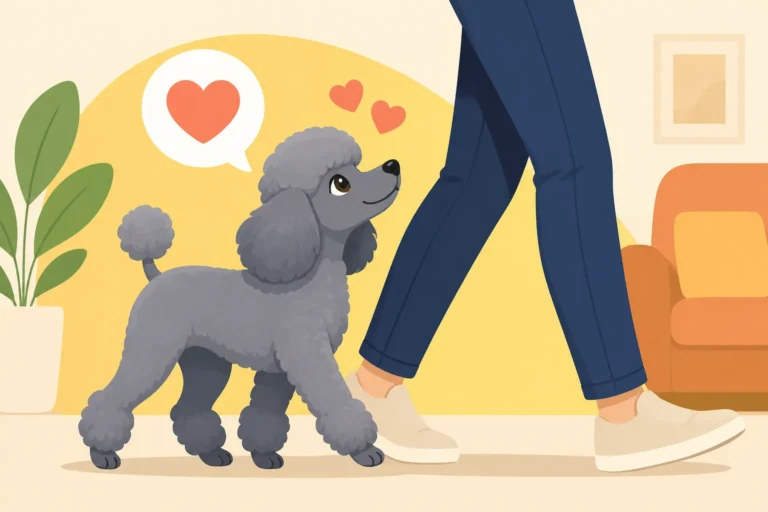
Poodles are deeply attached to their humans. They thrive on connection, praise, and often, being the center of your universe. In a multi-dog household, it’s easy for one dog to inadvertently receive more attention, leading to feelings of neglect or jealousy in the others. This is particularly true for Poodles, who can be very sensitive to perceived slights. To combat this, make a conscious effort to give each dog dedicated one-on-one time every day. This could be a solo walk, a short training session, a cuddle on the couch, or even just a few minutes of focused play in the yard.
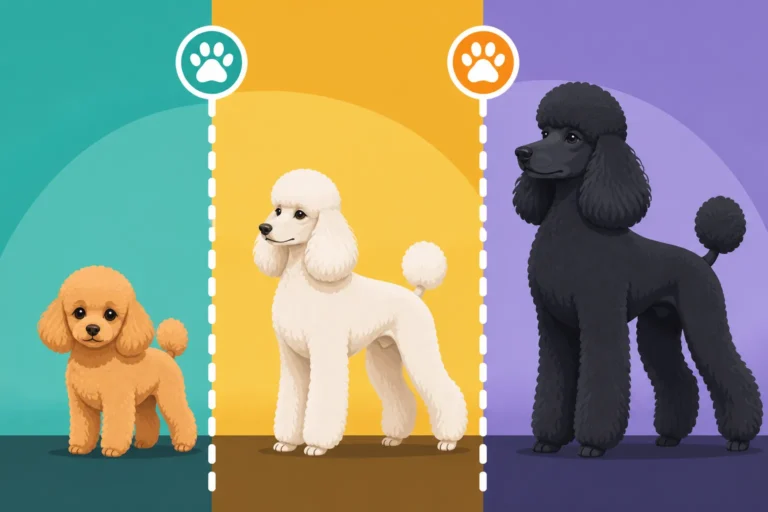
Imagine you have two Poodles: a Standard who loves long walks and a Miniature who adores lap time. Ensure both get their specific desires met. Take the Standard on a brisk walk alone sometimes, and then later, make sure the Miniature gets their uninterrupted lap snuggle. This reassures each dog that they are still special and that your affection isn't a finite resource to be guarded. It also helps prevent issues like Separation Anxiety in a Velcro Poodle from worsening if they feel their primary bond is diluted by a new arrival. By rotating who gets the "first" treat, the "first" greeting at the door, or the "last" belly rub of the night, you can help even out the scales and reduce potential friction.
Enrichment and Exercise for All
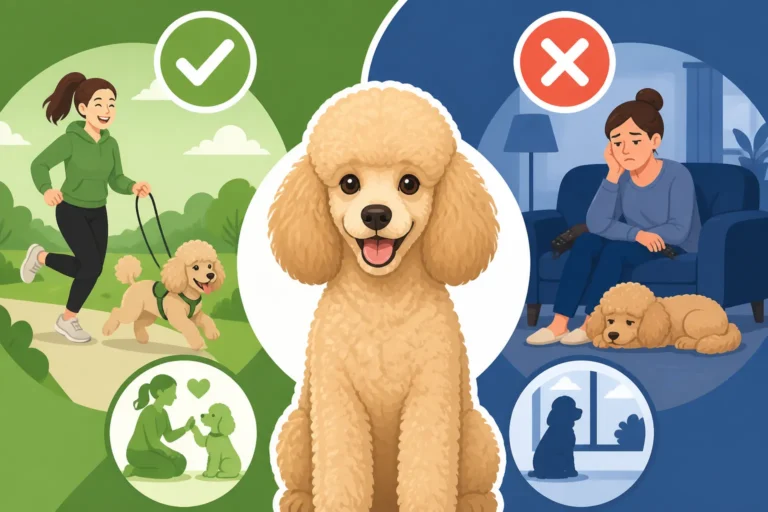
A tired dog is usually a good dog, and a mentally stimulated Poodle is a happy Poodle. Boredom can be a major catalyst for conflict in a multi-dog household. If dogs aren't getting enough physical and mental exercise, they might start to instigate trouble, chew inappropriately, or even pick fights out of sheer under-stimulation. Poodles, with their high intelligence, need more than just physical exertion; they need to use their brains.
Incorporate puzzle toys, snuffle mats, and short training sessions into the daily routine. These activities tire out the brain and provide constructive outlets for energy. Brands like Chewy offer a wide array of interactive toys and slow feeders that can keep dogs engaged. For instance, instead of just putting food in a bowl, divide meals into separate puzzle feeders for each dog. This ensures they're eating at their own pace and engaging their minds. Rotate toys regularly to keep them novel and exciting. Daily Work for a Poodle's Body and Mind is essential, and in a multi-dog home, you might need to schedule individual mental exercise time, or group activities where each dog gets a turn. Ensure the exercise levels match each dog's size and age. A senior Poodle might appreciate a gentle stroll, while a young Standard Poodle will thrive on a vigorous game of fetch.
Managing Differing Play Styles
One of the trickiest aspects of a multi-dog household can be managing different play styles, especially when you have Poodles of various sizes or different breeds altogether. A Standard Poodle’s enthusiastic, full-body play might be terrifying or even dangerous for a tiny Toy Poodle. Similarly, a high-energy terrier might constantly bother a more laid-back older Poodle.
Observation is crucial here. Learn to recognize when play is healthy and when it’s escalating towards an uncomfortable level for one of the dogs. Look for stiff bodies, tucked tails, growling that isn’t play-soliciting, or one dog constantly trying to escape. Always supervise playtime, and don’t hesitate to intervene by redirecting, taking a break, or separating the dogs if needed. For instance, if you have A Toy Poodle Around Larger Dogs, always ensure the larger dog understands appropriate play boundaries, and that the Toy Poodle has safe zones where they can retreat. Sometimes, it’s simply safer and more peaceful to have separate play sessions – the big dogs play together, and the small dogs play together. This isn't failing; it's proactively ensuring the safety and happiness of all your canine companions.
Common Challenges and Solutions
Even with the best intentions and careful planning, multi-dog households can present unique challenges. Knowing what to look for and how to address common issues can save a lot of stress and maintain peace in your home.
Dealing with Conflict and Aggression
No one wants to see their dogs fight, and it can be terrifying when it happens. It's important to understand that not every disagreement is true aggression. Dogs have their squabbles, just like people, and sometimes a quick air-snap or a growl is simply communication. However, if fights become frequent, intense, or involve injury, it’s a serious problem that needs immediate attention.
First, identify the triggers. Is it food? Toys? Your attention? Doorways? Certain times of day? Once you know the triggers, you can manage the environment to prevent these situations. For example, if food is an issue, feed dogs in separate rooms or crates. If door greetings cause chaos, have one dog wait in a specific spot while you greet the other, then switch. Learn how to safely interrupt a fight without getting bitten yourself (often involves a loud noise, a barrier, or a stream of water, not putting your hands between fighting dogs). If conflict persists, or if you witness outright aggression, consult a professional dog trainer or behaviorist. They can help you understand the root cause and implement a tailored plan to restore harmony. Remember, your Poodle's sensitive nature means they are often highly reactive to conflict, and consistent negative interactions can deeply impact their well-being.
Health Considerations in a Multi-Dog Home
More dogs often mean more potential for health issues, or at least a quicker spread of common ailments. One sick dog can quickly lead to others falling ill. Maintaining a robust health routine for all your Poodles is crucial.
Ensure all dogs are up-to-date on their vaccinations and parasite prevention. Regular vet check-ups are more important than ever. If one dog exhibits symptoms of illness, isolate them if possible and contact your vet immediately to prevent spread. Keep an eye on dietary needs; a young, active Standard Poodle will have different calorie requirements than an elderly Toy Poodle. Ensure each dog receives their specific food and any necessary medications. For example, if you have an Addisonian Poodle, ensuring they get their Lifelong Treatment for an Addisonian Poodle without another dog trying to steal their food or medication is vital. A comprehensive Poodle Vaccination and Preventive Schedule is your best defense against many common contagions that can sweep through a multi-dog household. Store medications and special diets separately and securely to prevent accidental ingestion by other curious canines.
Grooming Logistical Challenges
Anyone with one Poodle knows the commitment to grooming is real. Now, imagine that commitment multiplied by two or three! The non-shedding, constantly growing coat of a Poodle is beautiful but high-maintenance. Neglecting the grooming of even one dog can lead to severe matting, skin issues, and discomfort.
With multiple Poodles, you'll need to establish a consistent grooming schedule for each one. This might mean brushing one dog while the others are napping or contained in another room. Investing in good quality grooming tools – brushes, combs, clippers, and a high-velocity dryer – becomes even more important. You might find yourself doing mini-grooms (face, feet, sanitary) more frequently at home to stretch out professional grooming appointments. Products from Chewy can help keep your grooming toolkit stocked. Remember, Budgeting for a Poodle Coat That Never Stops will be a significant line item, and with multiple dogs, those costs multiply quickly. If you rely on professional groomers, inquire about potential multi-dog discounts, or consider learning to do some of the basic grooming yourself to manage costs and frequency. Otherwise, the Professional Grooming Costs by Poodle Size can quickly add up, leaving you with a sizable bill.
Navigating Multi-Dog Dynamics: A Quick Reference
Here’s a simple table to help you quickly identify potential issues and solutions when adding a Poodle to your multi-dog home, or vice versa.
| Challenge Area | Poodle-Specific Concerns | Common Signs | Management & Solutions |
|---|---|---|---|
| Initial Introduction | Sensitivity to new situations, territoriality (subtle) | Retreating, lip licking, stiff body language | Neutral territory meetings, parallel walks, brief supervised sessions |
| Resource Guarding | Possessiveness over human attention, prime spots, toys | Staring, growling, pushing other dogs away | Separate feeding areas, individual high-value treats, 'trade' game |
| Play Style Mismatch | Delicate play vs. roughhousing, risk of injury | Avoidance, yelping, constant "corrections" | Supervised play, separate play sessions for different sizes/temperaments |
| Jealousy/Attention | Deep bond with owner, can feel sidelined | Attention-seeking behaviors, disruptive acts | Dedicated one-on-one time for each dog, rotating who gets "first" |
| Boredom/Enrichment | High intelligence requires mental stimulation | Destructive chewing, incessant barking, conflict | Puzzle toys, training games, varied exercise, Chewy enrichment items |
| Health & Safety | Disease transmission, differing care needs | Vomiting, lethargy, skin issues | Up-to-date vaccinations, parasite control, separate medications/diets |
| Grooming Logistics | High-maintenance coat for multiple dogs | Matting, skin irritation, discomfort | Strict brushing schedule, professional grooming, at-home maintenance |
This article is for general informational purposes only and does not constitute professional advice. Laws, prices and regulations vary by location and change over time. Consult a qualified professional for guidance on your specific situation.