Collapsing Trachea in a Toy Poodle
That distinct, alarming cough that sometimes erupts from your tiny Toy Poodle can be incredibly unsettling. It often sounds like a goose honking, or like they're trying to clear something stuck in their throat, and it leaves you feeling helpless and worried for their fragile little bodies. This guide is here to shed light on a common yet serious condition affecting our smallest Poodles: tracheal collapse. We'll delve into what it is, how to spot the signs, get a proper diagnosis, and explore both medical and surgical management options to give your beloved companion the best possible quality of life.
Understanding the Toy Poodle's Delicate Trachea
It’s easy to look at a sturdy Standard Poodle and then at a delicate Toy Poodle and think they're almost different breeds. But when it comes to their windpipes, the difference in size means a massive difference in vulnerability. Toy Poodles, like many small breeds, have a naturally more fragile respiratory system, making them predisposed to conditions that larger dogs might never encounter.
Why Toy Poodles are Uniquely Vulnerable
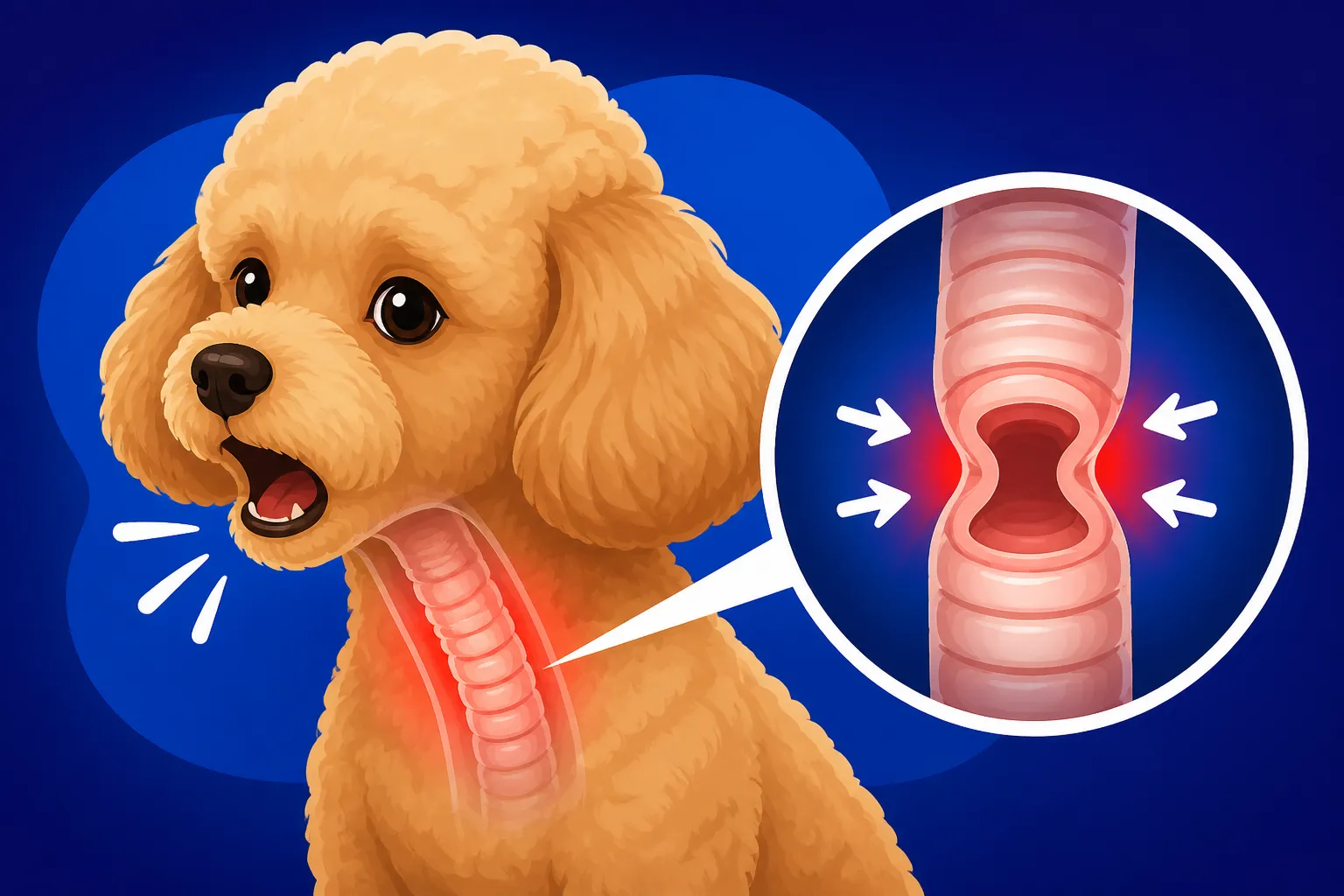
The trachea, or windpipe, is essentially a tube made up of C-shaped cartilage rings that connect the throat to the lungs. In most dogs, these rings are strong and rigid, maintaining an open airway for breathing. However, in smaller breeds, particularly Toy Poodles, these cartilage rings can be inherently weaker or malformed from birth. Think of it like the difference between a robust garden hose and a thin, flimsy straw; one is far more prone to kinking or collapsing under pressure. This predisposition isn't necessarily due to poor breeding practices in every case; it's often an unfortunate anatomical quirk of their small stature. Over time, these weaker rings can lose their rigidity, especially under stress, coughing, or even just routine breathing.
The Mechanics of Tracheal Collapse
When we talk about tracheal collapse, we're describing a progressive condition where these fragile cartilage rings begin to flatten, changing from a C-shape to more of a U-shape. This flattening can happen along any part of the trachea, from the throat down to where it splits into the bronchi leading to the lungs. As the rings weaken and flatten, the membrane at the top of the C-shape (the dorsal tracheal membrane) can sag into the airway, further obstructing the flow of air. Imagine trying to breathe through a straw that is slowly being squeezed shut; that's what your Toy Poodle is experiencing. This partial obstruction leads to a cascade of issues, primarily the characteristic coughing as the dog tries desperately to clear its airway, which in turn irritates the trachea even more, perpetuating the cycle of collapse and cough.
Grades of Collapse and Their Impact
Tracheal collapse isn't an all-or-nothing condition; it exists on a spectrum of severity, often classified into four grades. Understanding these grades can help you appreciate the progression of the disease and why early intervention is so crucial.
- Grade I: This is the mildest form, where the tracheal lumen (the opening) is reduced by less than 25%. Your Poodle might only have an occasional, soft cough, usually during excitement or after drinking water. It might be so subtle you barely notice it. At this stage, the condition is often missed, as the symptoms are intermittent and easy to dismiss as typical "small dog noises."
- Grade II: The lumen is reduced by about 25-50%. Here, the cough becomes more noticeable and frequent, perhaps during exercise, stress, or when pulling on a collar. You might start to notice some mild respiratory distress after activity. This is often the point where owners start to realize something isn't quite right and seek veterinary advice.
- Grade III: This is a significant collapse, with a 50-75% reduction in the airway. The coughing is now persistent and severe, often accompanied by noticeable difficulty breathing. Your Poodle might start to show exercise intolerance, lethargy, and potentially even episodes of gagging or struggling for air. This stage often requires consistent medication and careful management.
- Grade IV: This is the most severe stage, with a reduction of over 75%, sometimes nearly 100%. At this point, the trachea is almost completely flattened, causing severe respiratory distress. Dogs at this stage can experience cyanosis (blue gums due to lack of oxygen) and may even collapse from inability to breathe. This is a critical emergency and often requires immediate, aggressive intervention, potentially including surgery.
The impact on your Poodle's life naturally escalates with the grade of collapse. A Grade I might mean an occasional nuisance cough, while a Grade IV can be life-threatening and require constant, vigilant care.
Recognizing the Early Warning Signs and Symptoms
Catching tracheal collapse early can make a significant difference in managing the condition and maintaining your Toy Poodle's quality of life. Owners of small breeds, especially Poodles, become experts at noticing subtle changes in their tiny companions.
The Characteristic "Honking Cough"
The absolute hallmark symptom of tracheal collapse in Toy Poodles is a distinct, dry, harsh cough that sounds remarkably like a goose honking. It's not a wet, productive cough like kennel cough, nor is it the quiet, hacking cough of allergies. This specific sound is caused by the collapsing trachea vibrating as air struggles to pass through the narrowed airway. You might find that The Honking Cough of a Toy Poodle becomes more pronounced during certain situations:
- Excitement or agitation: When your Poodle is thrilled to see you, barking at the mailman, or playing vigorously, the increased respiration and physical strain can trigger a coughing fit.
- Drinking water or eating quickly: The act of swallowing or the pressure from food/water can temporarily compress the already weakened trachea, leading to a cough.
- Pulling on a leash (if wearing a collar): This is a huge one. Any pressure on the neck from a collar can exacerbate the collapse, making a mild cough much worse or bringing one on suddenly. This is why a harness is always recommended for these little ones.
- Environmental irritants: Smoke (even residual from clothing), dust, pollen, or strong perfumes can irritate the sensitive airway, leading to coughing.
- Changes in temperature or humidity: Moving from a warm house to cold outdoor air, or being in a very dry environment, can also trigger a cough.
It's a distressing sound, and once you hear it, it's hard to un-hear. Many owners initially dismiss it as a quirky small dog cough, but persistent or worsening honking should always prompt a vet visit.
Other Subtle Indicators to Watch For
While the honking cough is the most obvious sign, several other symptoms can accompany or precede it, signaling that your Toy Poodle's trachea might be compromised. Being vigilant about these can lead to an earlier diagnosis.
- Difficulty breathing (dyspnea): You might notice your Poodle's breathing becomes more labored, with increased effort visible in their chest and abdomen. Their nostrils might flare, or they might seem to be panting even when not exercising vigorously.
- Exercise intolerance: A Poodle who usually loves a good run in the yard might suddenly tire much faster, refusing to play or lagging behind on walks. They might start coughing excessively after even mild exertion. This is their body telling them they can't get enough oxygen.
- Gagging or retching: Sometimes, the severe coughing can lead to gagging, as if they are trying to vomit. This is often an attempt to clear their airway or is a direct response to the irritation in their throat.
- Blue gums or tongue (cyanosis): This is a critical emergency sign. If your Poodle's gums or tongue appear bluish or purplish, it means they are not getting enough oxygen. This requires immediate veterinary attention. This is a sign of acute respiratory distress, similar to the critical moments described in articles like Emergency Signs of Poodle Bloat, though the underlying cause is different.
- Wheezing or stridor: You might hear a high-pitched, harsh sound when your Poodle breathes, particularly on inhalation (stridor) or exhalation (wheezing). This indicates significant airway obstruction.
- Restlessness at night: Difficulty breathing can make it hard for dogs to settle down and sleep comfortably. They might pace, try different positions, or seem anxious.
- Lethargy or reduced activity: Chronic oxygen deprivation and the sheer effort of breathing can make your Poodle feel constantly tired and less enthusiastic about their usual activities. This can sometimes be mistaken for general aging, but it's important to differentiate. You might also notice a general quietness or reluctance, which can sometimes be a subtle sign of discomfort or pain in a sensitive Poodle, as explored in Reading Pain in a Sensitive Poodle.
When to Seek Veterinary Attention Urgently
While any new or persistent cough warrants a veterinary visit, certain signs indicate an emergency situation where immediate care is crucial. Do not wait to see if these resolve on their own.
- Severe, continuous coughing fits that don't subside: If your Poodle enters a coughing fit that lasts for several minutes, seems unable to catch their breath, and shows no signs of improvement, it's an emergency.
- Visible respiratory distress: This includes open-mouth breathing, exaggerated chest movements, gasping for air, or struggling to inhale.
- Blue or purple gums/tongue (cyanosis): As mentioned, this is a clear sign of oxygen deprivation and requires immediate medical intervention.
- Collapse or fainting episodes: If your Poodle suddenly collapses, becomes disoriented, or faints, it suggests severe oxygen deprivation to the brain.
- Extreme lethargy or unresponsiveness: A sudden and profound change in energy level or an inability to rouse your Poodle easily is a red flag.
In these acute situations, your Poodle needs to be seen by an emergency veterinarian without delay. They may require oxygen therapy, sedatives to calm them, and fast-acting medications to open their airways. Quick action can literally be life-saving.
Diagnosing Tracheal Collapse in Your Toy Poodle
Getting an accurate diagnosis for tracheal collapse can sometimes be a bit of a journey, as the symptoms can mimic other conditions. Your veterinarian will use a combination of physical examination and advanced imaging to confirm the diagnosis and assess the severity.
The Initial Veterinary Examination
When you bring your Toy Poodle in with concerns about coughing, your vet will start with a thorough physical examination. They'll listen to your Poodle's heart and lungs using a stethoscope, checking for murmurs, abnormal lung sounds, or signs of fluid. A key part of the exam for tracheal collapse involves gently palpating (feeling) your Poodle's trachea along their neck. Often, this gentle pressure will elicit the characteristic "honking cough," which can be a strong indicator of the condition. They'll also observe your Poodle's general demeanor, breathing pattern, and overall condition. They might discuss your Poodle's weight, as Poodle Obesity and Its Consequences can significantly worsen respiratory issues.
Your vet will also ask you detailed questions about the cough: When did it start? What does it sound like? How often does it occur? What triggers it? Has there been any change in activity level, appetite, or breathing? This history is crucial, as you, the owner, are the best observer of your Poodle's day-to-day health.
Imaging Techniques for Confirmation
While a physical exam can raise strong suspicions, imaging is necessary to definitively diagnose tracheal collapse and determine its grade.
- X-rays (Radiographs): Standard chest X-rays are often the first step. They can sometimes show the narrowing of the trachea, especially if the collapse is severe or if the image is timed correctly during inspiration or expiration. However, a static X-ray only captures a single moment, and the trachea might appear normal if it's not collapsing at that exact second. To combat this, vets sometimes take dynamic radiographs, which involve taking X-rays during both inhalation and exhalation. This can reveal the intermittent collapse that might be missed on a single view.
- Fluoroscopy: This is considered the "gold standard" for diagnosing tracheal collapse. Fluoroscopy is essentially a live X-ray video. Your Poodle stands on a table, and a continuous X-ray beam shows the movement of the trachea in real-time as they breathe, cough, and even sometimes during a gentle tracheal palpation. This allows the vet to observe the dynamic collapse of the airway, pinpoint its location, and accurately grade its severity. It gives a much clearer picture than static X-rays.
- Tracheoscopy/Bronchoscopy (Endoscopy): In some cases, particularly if surgery is being considered, an endoscopy might be performed. Under general anesthesia, a tiny camera is inserted down the windpipe. This allows the veterinarian to directly visualize the inside of the trachea, assess the integrity of the cartilage rings and the dorsal membrane, observe any inflammation, and precisely evaluate the degree of collapse. This is an invasive procedure and carries anesthetic risks, especially for small dogs with respiratory issues, so it's usually reserved for specific situations.
Differentiating from Other Respiratory Issues
It's vital for your vet to rule out other conditions that can cause similar coughing or respiratory symptoms, as treatment approaches vary significantly. This is part of the "differential diagnosis" process.
- Kennel Cough (Infectious Tracheobronchitis): This is a highly contagious respiratory infection that causes a harsh, hacking cough, sometimes with a retching sound. However, kennel cough is usually self-limiting, often accompanied by sneezing and nasal discharge, and typically resolves within a couple of weeks. Tracheal collapse, in contrast, is chronic and progressive.
- Bronchitis: Inflammation of the bronchi (the larger airways in the lungs) can also cause coughing. This might be allergic bronchitis, chronic bronchitis, or even infectious bronchitis. Your vet might use imaging or listen to lung sounds to differentiate.
- Heart Disease: Conditions like congestive heart failure can cause coughing as fluid builds up in the lungs, pressing on the airways. This cough is often soft and wet, particularly at night. An echocardiogram (ultrasound of the heart) and X-rays of the chest will help rule this out.
- Allergies: Environmental allergies can cause coughing, sneezing, and wheezing, often accompanied by skin irritation. An elimination diet or allergy testing can help determine if allergies are a primary cause.
- Other structural issues: Less common, but other anatomical problems or even tumors can cause airway obstruction.
- Hypothyroidism: While not directly causing coughing, conditions like Hypothyroid Symptoms in a Poodle can sometimes be present concurrently, and a full thyroid panel may be run to assess overall health, as an unhealthy Poodle may be more susceptible to other issues.
By carefully considering all possibilities and using appropriate diagnostic tools, your vet can arrive at an accurate diagnosis and create the most effective treatment plan for your Toy Poodle.
Managing a Toy Poodle's Trachea Without Surgery
For many Toy Poodles with tracheal collapse, especially in the earlier grades, medical management and significant lifestyle adjustments can provide excellent relief and a good quality of life. The goal is to minimize irritation, reduce coughing, and improve airflow. This often means a multifaceted approach that requires dedication from you, the owner.
Lifestyle Adjustments and Environmental Control
These are often the first line of defense and can make a huge difference in your Poodle's comfort. They are fundamental to Managing a Toy Poodle's Trachea Without Surgery.
- Weight Management: This is paramount. Excess weight places increased pressure on the chest and airways, exacerbating tracheal collapse and making breathing harder. If your Poodle is overweight, even losing a small amount of weight can significantly improve their symptoms. Work with your vet to establish a healthy diet and controlled exercise plan. This links directly to the broader issue of Poodle Obesity and Its Consequences and its impact on overall health.
- Harness Over Collar: This is non-negotiable for a Toy Poodle with tracheal collapse. Any pressure on the neck from a collar can trigger or worsen a collapse episode. Switching to a well-fitting harness that distributes pressure across the chest and shoulders completely eliminates this risk. This is precisely Why Harnesses Matter for a Toy Poodle's Throat.
- Avoid Environmental Irritants:
- Cigarette Smoke: Absolutely no smoking near your Poodle. Even lingering smoke on clothes or furniture can be highly irritating to their sensitive airways.
- Dust and Allergens: Keep your home as dust-free as possible. Consider using air purifiers with HEPA filters. If seasonal allergies are a factor, discuss options with your vet.
- Strong Scents: Avoid harsh cleaning products, air fresheners, perfumes, or scented candles that can irritate respiratory passages.
- Humidity Control: In very dry environments, a humidifier can help keep airways moist and reduce irritation.
- Control Excitement: While we love seeing our Poodles happy, extreme excitement or vigorous play can lead to excessive panting and coughing. Try to manage situations that trigger high excitement levels, perhaps by teaching calmer greetings or using distraction techniques.
- Leash Walking: Keep walks calm and steady. Avoid situations where your Poodle might pull excessively or suddenly lunge. Short, frequent walks might be better than one long, strenuous outing.
- Cool, Calm Environment: During a coughing fit, keeping your Poodle calm and moving them to a cooler, well-ventilated area can help. Sometimes, a calm presence and gentle reassurance are all they need to settle down.
Medications to Alleviate Symptoms
Your veterinarian will likely prescribe a combination of medications to reduce inflammation, suppress the cough, and make breathing easier. These are tailored to your Poodle's specific needs and the severity of their condition.
- Cough Suppressants: These medications, such as hydrocodone, butorphanol, or dextromethorphan, work by suppressing the cough reflex. While coughing is a protective mechanism, excessive coughing in tracheal collapse only perpetuates the irritation and inflammation, making the problem worse. Suppressing the cough can break this cycle.
- Anti-inflammatories (Corticosteroids): Steroids like prednisone can be incredibly effective at reducing inflammation and swelling in the trachea, which in turn helps to open the airway and reduce irritation. They can be given orally or sometimes via inhaler. Long-term steroid use, however, can have side effects, so your vet will aim for the lowest effective dose.
- Bronchodilators: These medications (e.g., theophylline) help to relax and open the airways in the lungs, making it easier for air to move in and out. While they don't directly affect the trachea's cartilage, they can improve overall respiratory function.
- Sedatives/Anti-anxiety medications: For Poodles who become very anxious or distressed during coughing fits, a mild sedative or anti-anxiety medication can help to calm them, reduce panting, and thus lessen the severity of the cough. This can be particularly useful in acute episodes.
- Antibiotics: If a secondary bacterial infection develops due to the chronic irritation and inflammation, antibiotics may be prescribed. This isn't a treatment for the collapse itself, but for a complication.
Medication regimens often need adjustment over time as the disease progresses or as your Poodle responds to treatment. Regular follow-up appointments with your vet are essential. Having pet insurance like Healthy Paws can be incredibly helpful in covering the ongoing costs of these medications and veterinary visits, easing the financial burden of managing a chronic condition.
Supporting Your Poodle Through Acute Episodes
Even with careful management, acute episodes of severe coughing or respiratory distress can occur. Knowing how to react calmly and effectively can make a significant difference.
- Stay Calm: Your Poodle will pick up on your anxiety. Speak in a soothing voice and try to project a sense of calm.
- Remove Triggers: If you can identify an immediate trigger (e.g., they just got excited), try to remove it from the situation.
- Cool, Quiet Place: Move your Poodle to a quiet, cool, and well-ventilated area. Sometimes, a short car ride with the air conditioning on low, or a brief moment outside in cooler air, can help.
- Offer Water (Carefully): If they can drink without gagging, a small amount of cool water can sometimes soothe an irritated throat.
- Call Your Vet: Always call your vet or an emergency vet if an episode is prolonged, severe, or if your Poodle is showing signs of cyanosis or collapse. They can advise on immediate steps and prepare for your arrival. Your vet might have prescribed "rescue" medications, like a stronger sedative or corticosteroid, for you to administer at home during these acute events. Follow their instructions precisely.
Surgical Options for Severe Tracheal Collapse
While medical management is effective for many Poodles, there are cases where the collapse is so severe or progressive that it significantly impacts quality of life, leading to a discussion about surgical intervention. Surgery is generally considered a last resort, as it comes with its own set of risks and potential complications, especially in tiny Toy Poodles.
When Surgery Becomes a Consideration
Deciding on surgery for tracheal collapse is a complex decision, one that you'll make in close consultation with a veterinary specialist. It's typically recommended in situations where:
- Medical management has failed: Despite consistent medication, lifestyle adjustments, and dedicated owner care, your Toy Poodle's symptoms continue to worsen, or they experience frequent, debilitating acute respiratory crises.
- Quality of life is severely compromised: Your Poodle is constantly struggling to breathe, unable to enjoy normal activities, or is having severe coughing fits that prevent sleep and normal function.
- Advanced Grade of Collapse: Poodles with Grade III or IV collapse, where the airway is significantly obstructed, often benefit most from surgical stabilization, as medical options may no longer be sufficient.
- Acute life-threatening episodes: If your Poodle frequently experiences episodes of cyanosis (blue gums) or collapses due to lack of oxygen, surgery might be the only way to ensure an open airway and prevent tragic outcomes.
It's important to remember that surgery is not a cure, but a management tool designed to improve airflow and reduce symptoms. It doesn't typically reverse any damage that's already occurred or prevent further progression of the disease in other parts of the trachea.
Tracheal Stent Placement
One of the most common surgical approaches for severe tracheal collapse, particularly in the lower (intrathoracic) trachea, is the placement of an intraluminal tracheal stent.
- The Procedure: This is a minimally invasive procedure performed by a veterinary internal medicine specialist or surgeon. Under fluoroscopic guidance (the live X-ray video), a self-expanding mesh stent, made of nitinol (a nickel-titanium alloy), is carefully inserted into the collapsed portion of the trachea. Once positioned, the stent expands, pushing the tracheal walls open and holding the airway in a more normal, circular shape.
- Pros: Stent placement is less invasive than open surgery and has a quicker recovery time. It offers immediate relief from airway obstruction in many cases, leading to a dramatic improvement in breathing and a reduction in coughing. This can significantly enhance your Poodle's quality of life.
- Cons and Complications: While effective, stents are not without potential issues.
- Fracture: The stent can fracture over time, especially at the ends, which may require replacement or additional stenting.
- Granulation Tissue Formation: The body can react to the foreign material by forming scar tissue (granulation tissue) within the stent, which can narrow the airway again. This often requires additional medical management or even laser removal.
- Migration: The stent can sometimes move from its intended position, requiring repositioning or removal.
- Infection: As with any foreign body, there's a risk of infection.
- Ongoing Cough: While the stent opens the airway, some Poodles may still have a cough due to chronic irritation or collapse in areas not stented.
- Cost: Tracheal Stent Prices for a Toy Poodle can be substantial, often ranging from several thousand dollars, making pet insurance, like Healthy Paws, a crucial consideration for owners facing this decision.
Post-surgery, dogs usually remain on cough suppressants and anti-inflammatories for a period, and sometimes for life, to manage any residual irritation.
External Tracheal Ring Placement
Another surgical option, often favored for collapse in the upper (cervical) trachea, is the placement of external tracheal rings.
- The Procedure: This is a more invasive, open-chest surgery performed by a veterinary surgeon. Small, rigid plastic or polypropylene rings are surgically placed around the outside of the collapsed trachea. These rings are sutured to the cartilage, effectively splinting the trachea open and preventing it from flattening.
- When It's Used: This technique is typically used for collapse higher up in the neck, or sometimes in conjunction with a stent for extensive collapse. It's often chosen for younger dogs or those with very localized, severe collapse.
- Recovery and Complications: Recovery from external ring placement is more intensive than from stent placement, requiring careful post-operative care and pain management. Potential complications include:
- Nerve Damage: There's a risk of damage to nerves in the neck during surgery.
- Infection: As an open surgery, infection is a concern.
- Suture Breakage or Ring Displacement: Though rare, the rings can shift or sutures can break.
- Swelling: Post-operative swelling can temporarily worsen breathing.
- Laryngeal Paralysis: In some rare cases, the surgery can affect the larynx, leading to paralysis.
Both surgical options require careful patient selection, skilled surgeons, and dedicated post-operative care. The best choice for your Poodle will depend on the location and severity of the collapse, as well as your vet's expertise and your Poodle's overall health.
Living with and Preventing Tracheal Issues
Whether your Toy Poodle is managed medically or surgically, living with tracheal collapse is a long-term commitment. But with understanding and proactive care, many Poodles can still enjoy a good quality of life.
Long-Term Care and Prognosis
Tracheal collapse is a progressive condition, meaning it tends to worsen over time, even with intervention. Therefore, long-term care focuses on managing symptoms, preventing acute crises, and maintaining comfort.
- Ongoing Medication: Most Poodles, especially those with Grade II or higher collapse, will require ongoing medication for the rest of their lives. This might include daily cough suppressants, anti-inflammatories, or bronchodilators. The dosages and types of medication may need to be adjusted periodically based on symptom severity.
- Regular Veterinary Check-ups: Your Poodle will need regular visits to the vet to monitor their condition, assess the effectiveness of medication, and check for any secondary issues like respiratory infections. These check-ups are also crucial for detecting any progression of the collapse or complications if a stent has been placed.
- Vigilant Observation: As the owner, you'll become an expert at noticing subtle changes in your Poodle's breathing, coughing patterns, and energy levels. Report any concerns to your vet promptly. Early intervention for worsening symptoms can prevent severe crises.
- Maintaining Lifestyle Adjustments: The lifestyle changes discussed earlier (harness, weight control, environmental management) are not temporary fixes; they are lifelong commitments that significantly contribute to your Poodle's well-being.
- Prognosis: The prognosis for Toy Poodles with tracheal collapse varies widely depending on the severity of the condition and the chosen treatment path. With mild to moderate collapse and diligent medical management, many Poodles can live full, happy lives for many years. For those with severe collapse, surgery can offer significant improvement, though it also introduces potential complications. The goal is always to maximize comfort and breathing ability. Owners of Caring for an Aging Poodle often find themselves managing this condition more acutely as their Poodle gets older.
Choosing a Breeder Who Prioritizes Health
While tracheal collapse is often considered a structural predisposition in small breeds rather than a strictly genetic disease passed down through specific genes, responsible breeding practices are still incredibly important. A reputable breeder will focus on overall health and temperament, aiming to produce robust puppies.
- Overall Health Testing: A good breeder, whether for a Toy Poodle or a Standard, will health test their breeding stock for a range of conditions common in the breed, such as eye diseases, patellar luxation, and sometimes cardiac issues. While there isn't a specific "trachea test," selecting a puppy from parents with excellent general health and strong conformation is always wise. The article on What a Toy Poodle Breeder Screens For provides an excellent overview of the types of genetic and health screenings to look for.
- Sound Structure: Breeders should be striving for sound structure and good general health in their lines. Poodles with extreme features, overly dainty bone structure, or a history of respiratory issues might indicate a higher risk for their offspring.
- Transparency: A responsible breeder will be transparent about the health history of their breeding dogs and their puppies. They should be willing to discuss any known health issues in their lines and provide proper health guarantees.
- Not a Guaranteed Prevention: Even with the most reputable breeding, due to the inherent anatomical nature of small breeds, there's no absolute guarantee that a Toy Poodle won't develop tracheal collapse. However, choosing a puppy from health-conscious parents can certainly improve the odds of a healthier start.
Supporting Your Poodle's Overall Respiratory Health
Beyond direct management of tracheal collapse, focusing on your Poodle's general respiratory health can help prevent exacerbations and improve their overall well-being.
- Dental Care: Good oral hygiene is vital. Dental disease, if severe, can lead to bacterial infections that can potentially spread to the respiratory tract, complicating existing tracheal issues. Regular brushing and professional dental cleanings are crucial for all Poodles, especially small ones who are prone to dental problems, as discussed in Why Small Poodles Lose Teeth Early.
- Allergy Management: If your Poodle has known allergies, managing them effectively can reduce inflammation and irritation in the airways, lessening the burden on their trachea. This might involve allergy medications, environmental control, or specialized diets.
- Appropriate Vaccination and Parasite Control: Keeping your Poodle up-to-date on vaccinations (including kennel cough) and parasite prevention (heartworm, fleas, ticks) protects them from infectious diseases that could further compromise their respiratory system.
- Humidification: As mentioned, maintaining adequate humidity in your home, especially during dry winter months, can help keep mucous membranes moist and reduce irritation, making breathing more comfortable for your Poodle.
- Avoid Over-Excitement and Stress: Stress hormones can impact a dog's respiratory rate and overall well-being. Creating a calm, predictable environment can reduce instances of triggered coughing.
By taking a holistic approach to your Toy Poodle's health, focusing on both specific tracheal management and overall well-being, you can help them lead a comfortable and fulfilling life, despite the challenges that tracheal collapse presents. And remember, having pet insurance like Healthy Paws can truly alleviate the stress of unexpected or ongoing veterinary costs.
| Feature | Medical Management | Surgical Management (Stent/Rings) |
|---|---|---|
| Approach | Non-invasive; focuses on symptom relief and lifestyle changes | Invasive; physically stabilizes the trachea |
| Cost | Lower initial cost, ongoing medication expenses | High upfront cost (several thousands), potential for ongoing medication and revision surgeries |
| Recovery | No surgical recovery; ongoing observation | Surgical recovery period, then ongoing care |
| Risks | Side effects from long-term medication, disease progression | Anesthesia risks, stent complications (fracture, migration, granulation tissue), infection, nerve damage |
| Effectiveness | Good for mild to moderate cases, slows progression | Significant improvement in severe cases, immediate airway opening |
| Ideal Candidate | Mild-moderate collapse, good response to medication, older dogs | Severe collapse, failure of medical management, good surgical candidate, often younger dogs |
| Complications | Worsening collapse, secondary infections | As above, plus potential need for re-intervention |
| Long-term Care | Lifelong medication, lifestyle changes, regular vet visits | Lifelong medication, lifestyle changes, regular vet visits, monitoring for surgical complications |
Disclaimer
The information provided in this guide is for general educational purposes only and should not be considered a substitute for professional veterinary advice. Always consult with a qualified veterinarian for any health concerns or before making any decisions related to your Poodle's medical care.