What Usually Ends a Standard Poodle’s Life
It's incredibly tough to think about the day our beloved Standard Poodles won't be with us anymore. As pet parents, we cherish every moment, and the thought of their eventual departure is heartbreaking. While we can't stop time, understanding the most common reasons a Standard Poodle's life comes to an end can empower us to advocate for their health, seek early interventions, and ultimately, ensure their golden years are as comfortable and joyful as possible. This guide aims to shed light on the conditions that most frequently lead to the end of a Standard Poodle's life, helping you navigate their journey with knowledge and compassion.
Understanding the Standard Poodle's Journey Through Life
Welcoming a Standard Poodle into your home means preparing for many years of joy, companionship, and that signature Poodle bounce. These intelligent and elegant dogs typically enjoy a good, long life, often gracing our homes for over a decade. But just like us, they face health challenges, and knowing what those might be can make all the difference.
Average Lifespan and What to Expect
Standard Poodles, being the largest of the Poodle varieties, generally have a lifespan that ranges from 10 to 14 years. Of course, this is an average, and some exceptional individuals can live longer, even approaching 15 or 16 years with excellent care and a bit of luck. The journey isn't always linear, and understanding the general trajectory of a Standard Poodle's health as they age is crucial. It’s worth noting that Poodle Lifespan Across the Three Sizes can vary, with the smaller Toy and Miniature Poodles sometimes having a slight edge in longevity. However, Standard Poodles are generally robust for a large breed.
Factors like genetics, nutrition, exercise, and the quality of veterinary care they receive all play a significant role in where your individual Poodle will fall within or beyond this range. While it's easy to focus solely on the number of years, the quality of those years is paramount. We want them to be vibrant and comfortable for as long as possible, which means being prepared for potential health shifts. This also helps explain Why Poodle Health Splits by Size as certain conditions are more prevalent in one size versus another due to genetic factors or physical conformation.
Individual Variation and the Role of Genetics
Every Standard Poodle is a unique individual, a delightful blend of their parents' genetics and the environment they grow up in. This means that while we can discuss common causes of death, your Poodle might face something entirely different, or they might never encounter any of the typical issues. Genetic predispositions, however, are a significant factor. Responsible breeders work hard to minimize the risk of inherited diseases by carefully screening their breeding stock, but no breeder can guarantee a perfectly healthy dog for its entire life.
It's a frustrating truth that despite our best efforts, sometimes nature has its own plans. Even with meticulous care and the best diet, a Poodle might develop an aggressive illness. This isn't a reflection of your care, but rather the complex biological lottery that all living beings face. Understanding this allows us to approach potential health crises with realism and compassion, focusing on providing comfort and support rather than self-blame.
Major Health Crises: Sudden and Swift Endings
For many Standard Poodles, the end of life can come relatively quickly due to acute, life-threatening conditions. These are the emergencies that often require immediate and intensive veterinary intervention, and despite our best efforts, they can sometimes be overwhelming.
Gastric Dilatation-Volvulus (GDV) or Bloat
One of the most terrifying and swift killers of Standard Poodles is Gastric Dilatation-Volvulus, commonly known as bloat. Standard Poodles, with their characteristic deep chests, are unfortunately predisposed to this condition. Bloat occurs when the stomach fills with gas and twists upon itself, cutting off blood supply and trapping the gas. It's an agonizing condition that progresses rapidly.
Symptoms can appear suddenly: your Poodle might pace anxiously, try to vomit without producing anything, have a distended abdomen that feels hard to the touch, and show signs of extreme pain. This is an absolute veterinary emergency, and time is of the essence. Surgical intervention is typically required to untwist the stomach and often to perform a gastropexy, which tacks the stomach to the abdominal wall to prevent future occurrences. Even with surgery, the mortality rate is significant. For more detailed information on preventing and recognizing this, refer to Bloat and the Deep Standard Poodle Chest and Emergency Signs of Poodle Bloat.
The financial strain of emergency bloat surgery can be immense, often running into several thousand dollars. This is where preparing financially becomes critical; having pet insurance from a provider like Healthy Paws can truly be a lifesaver, allowing you to focus on your Poodle's recovery rather than the daunting vet bill.
Aggressive Cancers with Rapid Progression
While many cancers can be managed chronically (which we'll discuss next), some forms of cancer can be incredibly aggressive and lead to a rapid decline. These often spread quickly and can be difficult to detect until they've already progressed significantly.
One such example is hemangiosarcoma, a highly aggressive cancer that originates in the lining of blood vessels. It frequently affects the spleen, heart, or liver. Poodles might show no symptoms until the tumor ruptures, leading to sudden internal bleeding and collapse. Despite emergency surgery, the prognosis is often very poor due to the cancer's aggressive nature and high metastatic rate.
Another rapidly progressing cancer, especially concerning in larger breeds, is osteosarcoma, a type of bone cancer. While it usually presents as lameness, once diagnosed, it can spread rapidly to other parts of the body, particularly the lungs. The pain associated with osteosarcoma can quickly become debilitating, severely impacting a Poodle's quality of life and often leading to euthanasia even before metastatic disease takes a full toll. These aggressive forms of cancer can turn a seemingly healthy Poodle into one in severe distress within a matter of weeks or even days, leaving owners with heartbreakingly fast decisions to make.
Chronic Illnesses and Age-Related Decline: The Slow Fade
More often, a Standard Poodle's life comes to an end after a period of managing chronic illness or coping with the natural decline that comes with old age. These are the situations where owners face the difficult but loving decision to prioritize their Poodle's comfort and dignity when their quality of life has significantly diminished.
Addison's Disease Complications
Addison's Disease, or hypoadrenocorticism, is often called "the great pretender" because its symptoms mimic so many other ailments – lethargy, vomiting, diarrhea, lack of appetite. It's a condition where the adrenal glands don't produce enough hormones, particularly cortisol and aldosterone. Standard Poodles have a known genetic predisposition to Addison's, making it one of the Standard Poodle Diseases Miniatures Rarely Get in comparison.
While Addison's is manageable with lifelong medication, typically an injection every few weeks (like Percorten-V or Zycortal) and daily prednisone, severe Addisonian crises can still occur, particularly if medication is missed or during periods of extreme stress. Over a long life with Addison's, the cumulative effects on the body, the stress of frequent vet visits, or a severe, untreatable crisis can ultimately lead to a decline from which recovery is no longer possible, or where the quality of life becomes too compromised. You can learn more about managing this condition through articles like Addison's Disease in Standard Poodles.
Canine Cancer: Long-Term Management
Unlike the aggressive, swift-acting cancers, many types of canine cancer are diagnosed and managed for months, or even years, allowing Poodles to maintain a good quality of life for an extended period. Lymphoma, mast cell tumors, mammary tumors, and certain soft tissue sarcomas fall into this category.
Treatment often involves surgery, chemotherapy, radiation, or a combination of these, sometimes with new targeted therapies becoming available. The goal is typically to achieve remission or to slow the progression of the disease while minimizing side effects to ensure the Poodle still enjoys their daily activities. However, cancer is insidious. Eventually, even with the best care, the disease may become resistant to treatment, spread to vital organs, or the side effects of therapy may become too burdensome. The decision to stop treatment and transition to palliative care, or ultimately euthanasia, is often made when the Poodle's comfort and happiness can no longer be maintained. This is a journey of careful observation, communication with your vet, and making incredibly difficult choices driven by love.
Organ Failure: Kidney, Heart, and Liver Disease
As Standard Poodles enter their senior years, organ function naturally begins to decline, much like in humans. Kidney disease, heart disease, and liver disease are common chronic conditions that gradually worsen over time, eventually leading to end-stage organ failure.
- Kidney Disease: Often slowly progressive, kidney disease can be managed for a long time with specialized diets, fluid therapy, and medications to support kidney function and manage symptoms. However, as the kidneys lose their ability to filter toxins, the Poodle's quality of life will inevitably decline, leading to lethargy, loss of appetite, and eventually, uremic poisoning.
- Heart Disease: Conditions like dilated cardiomyopathy (a weakening of the heart muscle) or valvular disease (leaky heart valves) can lead to congestive heart failure. While medications can help manage symptoms like coughing, fatigue, and fluid buildup, the heart muscle continues to weaken, eventually leading to severe breathing difficulties or collapse.
- Liver Disease: Various conditions can affect the liver, from chronic inflammation to copper storage disease (which Poodles can be predisposed to). While the liver has remarkable regenerative abilities, chronic damage can lead to cirrhosis and liver failure, manifesting as jaundice, neurological issues, and digestive upset.
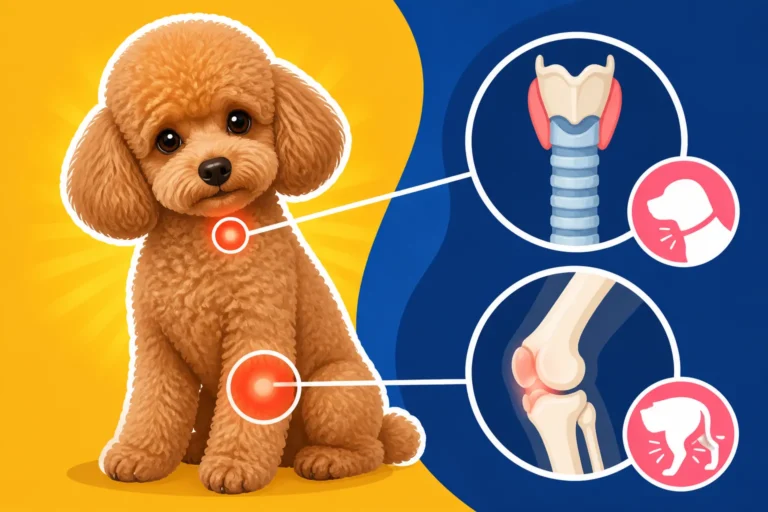
Early detection through regular veterinary check-ups and blood work (often covered by comprehensive pet insurance plans like those from Healthy Paws) is key to managing these conditions and extending comfortable life. While treatments can significantly improve and prolong life, there comes a point where the disease overwhelms the body's systems. Thyroid Disease in Poodles is another example of a chronic condition that, while manageable, can affect a Poodle's overall metabolic health and organ function if not properly controlled, contributing to general decline.
Severe Mobility Issues and Arthritis
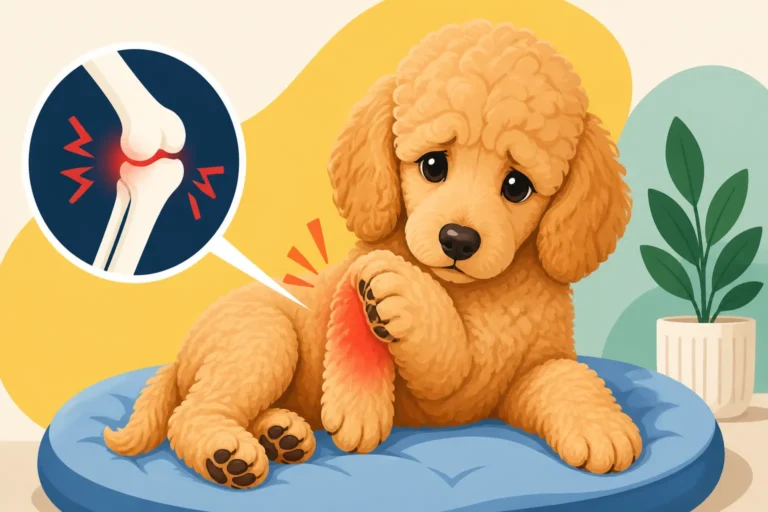
The lively gait and powerful stride of a Standard Poodle are wonderful to behold, but age eventually catches up with even the most athletic dogs. Severe arthritis, degenerative joint disease, or other orthopedic conditions can significantly impact a senior Poodle's mobility and quality of life.
Arthritis, especially in the hips, knees, and spine, can cause chronic pain, stiffness, and difficulty getting up, lying down, or navigating stairs. While pain medications, supplements (like glucosamine and chondroitin), physical therapy, and sometimes even surgery can manage these conditions for a time, eventually the pain can become intractable, or the Poodle may lose the ability to move independently. When a Poodle can no longer comfortably walk, go to the bathroom without assistance, or enjoy even short strolls, the decision to end their suffering becomes a profound act of love. More details on how to support an older Poodle can be found in Arthritis in a Twelve-Year-Old Poodle.
Cognitive Decline (Canine Cognitive Dysfunction)
While not a direct cause of death, Canine Cognitive Dysfunction (CCD), often likened to Alzheimer's in humans, can severely degrade a Standard Poodle's quality of life and the human-animal bond, leading to the difficult decision of euthanasia. As Poodles age, their brains can undergo degenerative changes, affecting memory, learning, and perception.
Symptoms of CCD can include disorientation (getting "stuck" in corners, staring blankly), changes in interaction (less responsive to family, more irritable), sleep-wake cycle disturbances (waking and pacing at night), house soiling accidents, and changes in activity levels. When a Poodle becomes severely disoriented, anxious, no longer recognizes their family, or their daily existence is marked by confusion and distress, their quality of life has significantly diminished. This can be one of the most heartbreaking reasons to say goodbye, as the Poodle you once knew seems to fade away. Learning more about this condition and how to support your dog is covered in Cognitive Decline in an Old Poodle.
Proactive Care: Extending the Good Years and Easing the End
While some health challenges are unavoidable, much can be done to extend the healthy years of your Standard Poodle and ensure that their eventual end-of-life journey is as peaceful and dignified as possible. Proactive care is truly the best gift we can give them.
Regular Veterinary Check-ups and Early Detection
The single most important thing you can do for your Standard Poodle's longevity and health is to commit to regular veterinary check-ups. For adult Poodles, this means at least an annual visit, and for senior Poodles (typically starting around age 7-8), twice-yearly check-ups are highly recommended.
These visits aren't just for vaccinations; they allow your vet to perform thorough physical examinations, discuss any subtle changes you've noticed, and recommend age-appropriate screenings such as blood work, urinalysis, and potentially imaging. Catching diseases like kidney disease, liver issues, or certain cancers in their early stages can often lead to more effective treatment and significantly extend your Poodle's comfortable life. Remember, Poodles are often sensitive and can be good at hiding discomfort, so your vet's experienced eye and diagnostic tools are invaluable. Understanding how to interpret subtle cues can also be very helpful; for more, see Reading Pain in a Sensitive Poodle.
Nutrition and Weight Management
A balanced, high-quality diet tailored to your Poodle's age and activity level is fundamental to good health. Just as critical is maintaining a healthy weight. Obesity in Poodles, as in humans, is a significant risk factor for a myriad of health problems, including arthritis, diabetes, heart disease, and even certain cancers.
Work with your veterinarian to determine the ideal caloric intake and type of food for your Poodle. Be mindful of treats, which can quickly add up. Keeping your Poodle at a lean body condition reduces stress on their joints, organs, and metabolic system, giving them a better chance at a longer, healthier life.
Exercise and Mental Stimulation
Standard Poodles are intelligent and active dogs; they need both physical and mental stimulation to thrive. Regular, appropriate exercise helps maintain muscle mass, joint health, and a healthy weight. This doesn't mean you need to run marathons with your senior Poodle, but daily walks, play sessions, and opportunities to sniff and explore are vital.
Mental stimulation is equally important. Puzzle toys, training sessions (even for old dogs!), and interactive games keep their minds sharp and can help delay the onset of cognitive decline. A bored or under-exercised Poodle is not only prone to behavioral issues but may also be less resilient to health challenges.
Understanding Your Poodle's Specific Risks
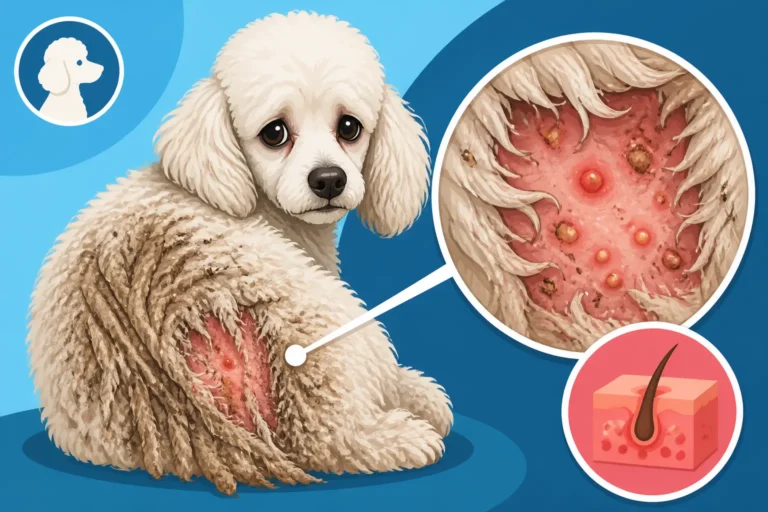
Educate yourself on the specific health concerns common to Standard Poodles, especially those with a known genetic component. This includes conditions like Addison's disease, bloat, sebaceous adenitis, and certain eye conditions. Knowing the early warning signs can prompt you to seek veterinary attention promptly.
If you are considering getting a Standard Poodle puppy, research reputable breeders who perform comprehensive health testing on their breeding stock for these conditions. While genetic tests aren't available for everything (like bloat), understanding the familial history can be empowering.
End-of-Life Planning and Quality of Life Discussions
No one wants to think about it, but planning for your Poodle's end-of-life is an act of profound love. As your Poodle ages or faces a chronic illness, have open and honest discussions with your veterinarian about their quality of life. This can be an ongoing conversation, using tools like a "quality of life scale" to objectively assess their comfort, mobility, appetite, hygiene, happiness, and mental clarity.
Knowing what their final days or weeks might look like, understanding pain management options, and deciding when it's time to say goodbye are agonizing choices. However, planning ahead, understanding your options for home euthanasia, and ensuring they are surrounded by love can bring comfort during an incredibly difficult time. Resources like Caring for an Aging Poodle delve deeper into supporting your senior companion.
Financial Preparedness for Long-Term Care
The cost of veterinary care, particularly for chronic illnesses or emergency surgeries, can be substantial. Being financially prepared can remove a significant burden during an already stressful time. Consider pet insurance early in your Poodle's life, especially from reputable providers like Healthy Paws. Policies can help cover significant portions of diagnostic tests, treatments, medications, and emergency care for unexpected illnesses like bloat or a cancer diagnosis.
Alternatively, a dedicated savings account for pet emergencies can provide a cushion. Knowing you have the means to provide the best possible care for your Poodle, without financial stress, allows you to make decisions based solely on their well-being.
| Cause of Decline/Death | Typical Age Range (Standard Poodle) | Key Characteristics & Notes |
|---|---|---|
| Gastric Dilatation-Volvulus (Bloat) | Middle to Senior (6+ years) | Sudden onset, life-threatening emergency, common in deep-chested breeds. |
| Aggressive Cancers | Middle to Senior (7+ years) | Rapid progression, difficult to treat, impacts quality of life quickly. |
| Chronic Cancers | Senior (9+ years) | Long-term management possible, gradual decline in quality of life. |
| Addison's Disease Complications | Adult to Senior (4+ years) | Manageable but can lead to crises or long-term organ strain. |
| Organ Failure (Kidney, Heart, Liver) | Senior (10+ years) | Gradual decline, often managed with medication, eventually compromises vital functions. |
| Severe Mobility Issues/Arthritis | Senior (10+ years) | Chronic pain, inability to move, impacts daily function and quality of life. |
| Cognitive Decline | Senior (12+ years) | Disorientation, behavioral changes, diminished awareness, impacts bond and daily safety. |
Disclaimer
The information provided in this article is for general informational purposes only and is not intended as a substitute for professional veterinary advice. Always consult with a qualified veterinarian regarding any medical concerns or before making any decisions about your pet's health or treatment.