The First Year With a Poodle
Bringing a Poodle puppy into your home is an incredibly exciting adventure, filled with dreams of fluffy cuddles and intelligent antics. However, the reality of that first year often hits hard, with unexpected costs and a surprising amount of planning required to ensure your new companion thrives. This comprehensive guide will walk you through the essential financial and practical considerations for your Poodle's crucial first year, helping you budget wisely and prepare for a joyful journey together.
Understanding Initial Poodle Acquisition Costs
The moment you decide to welcome a Poodle into your family, the first significant financial decision you'll face is how you acquire your new best friend. This choice will largely dictate your initial outlay and, often, the health and temperament foundation of your puppy. It's not just about the upfront cost, but about the long-term investment in a healthy, well-adjusted Poodle.
Reputable Breeder Fees and Deposits
Opting for a Poodle from a reputable breeder is often the most significant initial investment, but it's one that typically pays dividends in the long run. These breeders dedicate considerable time, effort, and financial resources to ensure their puppies are healthy, well-socialized, and conform to breed standards. They perform extensive health screenings on the parent dogs for genetic conditions common in Poodles, such as those that can lead to Poodle Hip Dysplasia by Size, Progressive Retinal Atrophy in Miniature Poodles, or even serious issues like Addison's Disease in Standard Poodles. Expect to pay anywhere from $2,000 to $5,000 or even more for a well-bred Poodle puppy, with Standard Poodles often on the higher end due to their size and associated costs for breeders.
This fee typically includes the puppy's first vaccinations, deworming, a health guarantee, and sometimes even microchipping. You'll usually place a deposit, which can range from $200 to $1,000, to reserve a puppy from an upcoming litter. This deposit is generally non-refundable, so it’s crucial to ensure you've thoroughly vetted the breeder, understood their contract, and are committed to adding a Poodle to your life. Reputable breeders are transparent about their practices, eager to answer questions, and often have waitlists, a good sign that they're prioritizing quality over quick sales. They should also be able to provide clear documentation of parent health clearances and registrations.
Adoption Fees from Poodle Rescues
Adopting a Poodle from a rescue organization can be a wonderfully rewarding experience, and it often comes with a significantly lower upfront cost compared to purchasing from a breeder. Poodle-specific rescues, like Poodle Rescue of Houston or NorCal Poodle Rescue, often have a variety of Poodles — puppies, adults, and seniors — looking for forever homes. The adoption fees for these organizations typically range from $150 to $800, depending on the dog's age, health, and how much vetting the rescue has already invested. These fees help cover the rescue's costs for medical care, spaying/neutering, vaccinations, microchipping, and often even behavioral assessments and training.
While the initial fee is lower, it's important to remember that rescue Poodles might come with an unknown history. They could have pre-existing conditions or require extra behavioral work, which could lead to higher veterinary or training costs down the line. However, many rescues are incredibly transparent about any known issues and provide support resources. When considering adoption, be prepared for a thorough application process, including home visits and reference checks, as rescues are dedicated to finding the best possible match for their dogs. This careful process is a testament to their commitment to the welfare of their Poodles, and it helps ensure you're truly ready for the commitment.
First-Year Veterinary Care and Preventative Health
The first year of a Poodle's life is packed with essential veterinary visits, vaccinations, and preventative treatments crucial for laying the groundwork for a long, healthy life. Neglecting these early appointments can lead to serious health issues and much higher costs down the line. It's not just about reacting to illness, but proactively protecting your Poodle.
Puppy Vaccination Schedule and Deworming
Bringing home a young Poodle puppy means committing to a rigorous vaccination schedule. Puppies receive a series of core vaccinations, typically starting around 6-8 weeks of age and continuing every 3-4 weeks until they are about 16 weeks old. These typically include distemper, parvovirus, adenovirus, and parainfluenza. Once they are old enough, usually around 12 weeks, they will also need their rabies vaccination. Each of these visits, which often includes a physical exam, can cost anywhere from $50 to $150 per visit, totaling several hundred dollars over the first few months.
Alongside vaccinations, deworming is a regular part of puppy care. Puppies are highly susceptible to intestinal parasites, which can be passed from their mother. Your vet will likely recommend deworming treatments every few weeks during the initial vaccination series. Additionally, preventative medications for heartworm, fleas, and ticks are essential, often starting around 8 weeks of age and continuing monthly for their entire lives. These preventatives can add another $15-$50 per month to your budget, depending on the Poodle's size and the specific products chosen. Companies like Chewy offer convenient auto-ship options for these monthly medications, making it easier to stay on schedule.
Spaying or Neutering and Microchipping
One of the most significant veterinary expenses in the first year, after the initial puppy series, is spaying or neutering. This procedure is typically performed between 6 months and a year of age, though some breeders and vets recommend waiting longer, especially for larger breeds like Standard Poodles, to allow for full growth and development, potentially reducing the risk of certain orthopedic issues. The cost for a spay or neuter can vary widely based on your location and the vet clinic, ranging from $200 to $800 or more, especially if pre-surgical bloodwork is required or if complications arise.
Microchipping is another crucial aspect of responsible Poodle ownership, offering peace of mind should your Poodle ever get lost. This simple procedure, often done at the same time as spaying/neutering, involves implanting a tiny chip under the skin that can be scanned to retrieve your contact information. The cost for microchipping is usually $25-$75, plus an annual registration fee to keep your information updated in the database. While not a life-saving procedure, it's an invaluable tool for reunification and an important part of Poodle Vaccination and Preventive Schedule.
Unexpected Illnesses and Pet Insurance
Despite all the preventative care, puppies, like human children, can face unexpected illnesses or accidents. A sudden bout of kennel cough, an intestinal upset from eating something they shouldn't, or a minor injury can easily lead to an emergency vet visit, diagnostics, and medication, quickly adding hundreds of dollars to your expenses. For a Toy Poodle puppy, a sudden drop in blood sugar or Hypoglycemia in a Toy Poodle Puppy can be a frightening emergency. These unforeseen circumstances are why many Poodle owners choose to invest in pet insurance.
Pet insurance policies, like those offered by Healthy Paws, can help mitigate the financial burden of unexpected veterinary bills. Premiums vary based on the Poodle's size, age, and your chosen coverage level, but expect to pay anywhere from $30 to $80+ per month for a comprehensive plan. It's often best to enroll your Poodle as a puppy before any pre-existing conditions develop, as these are typically excluded from coverage. Having insurance can provide immense relief if your Poodle faces a serious issue, such as bloat (gastric dilation-volvulus) which can affect Standard Poodles and requires immediate, expensive emergency surgery. Thinking ahead about Insuring a Poodle Against Addison's and Bloat can save you a significant amount of stress and money.
Grooming Necessities for the Poodle Coat
The Poodle's distinctive, non-shedding coat is a hallmark of the breed, but it also demands significant and consistent grooming attention. Many new Poodle owners underestimate the time, effort, and expense involved in maintaining this beautiful coat, which requires regular care to prevent painful matting and skin issues.
Professional Grooming Appointments
For many Poodle owners, professional grooming is a necessity, especially for larger varieties like the Standard Poodle. The Poodle's curly hair grows continuously and easily mats if not brushed and trimmed regularly. Most Poodles require professional grooming every 4-6 weeks to keep their coats healthy and manageable. A full groom typically includes bathing, drying, brushing out, clipping, nail trimming, and ear cleaning. The cost for a professional groom varies significantly by Poodle size, coat condition, and your location.
- Toy Poodle: $60 – $90 per session
- Miniature Poodle: $75 – $120 per session
- Standard Poodle: $90 – $180+ per session
Over the course of the first year, these appointments can easily add up to $700-$2,000 or more, making it one of the largest ongoing expenses. Some owners opt for a simpler, shorter "kennel clip" or "sporting clip" to reduce grooming frequency and cost, but even these styles require regular upkeep. Many groomers will offer a "puppy package" or introductory rate, which is a great way to introduce your young Poodle to the grooming process. Remember to tip your groomer! Understanding What Grooming Adds to a Poodle's Lifetime Cost is vital before committing.
Essential At-Home Grooming Tools and Products
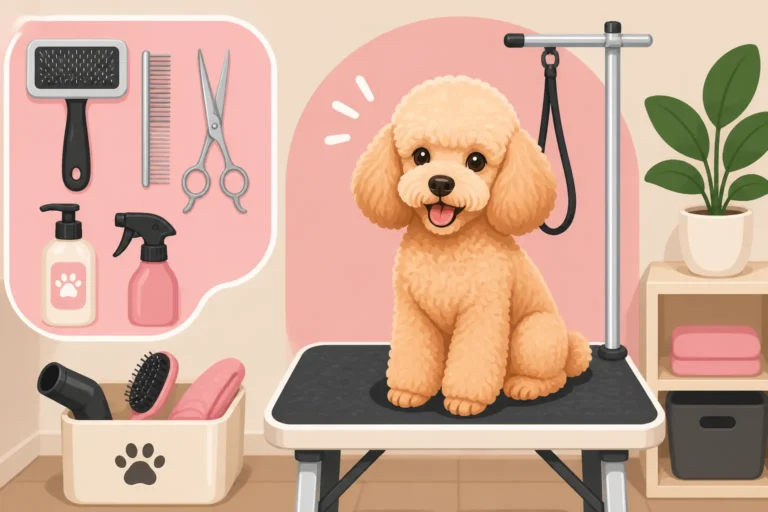
While professional grooming is often necessary, regular at-home maintenance is absolutely crucial between appointments to prevent mats and keep your Poodle comfortable. You’ll need to invest in a quality set of grooming tools right from the start. A good slicker brush, a metal comb (preferably a greyhound comb), nail clippers or a dremel, ear cleaning solution, and dog-specific shampoo and conditioner are non-negotiable. Many Poodle owners also find a high-velocity dryer to be an invaluable tool for thoroughly drying the thick Poodle coat after baths, which helps prevent matting and skin irritation.
Initial investment in these tools can range from $100-$300. For example, a quality slicker brush might cost $20-$40, while a good metal comb could be $15-$30. If you decide to tackle some clipping at home, a set of quality clippers and various blades can be a significant upfront expense, easily running $150-$400, but can save you money on professional grooms over time. However, learning to clip a Poodle properly takes skill and practice to avoid clipper burn or uneven cuts. Even if you rely on a professional, consistent daily or every-other-day Brushing a Poodle to the Skin is non-negotiable to maintain their coat between visits and prevent painful matting.
Learning to Groom at Home
Many Poodle owners, especially those with smaller Poodles or a desire to save on costs, eventually learn to do some or all of their grooming at home. While it requires dedication, patience, and the right tools, it's definitely achievable. YouTube tutorials, online courses, and even guidance from your professional groomer can help you learn techniques like Line Brushing a Poodle Explained or how to safely trim their face, feet, and tail. The initial investment in good clippers, blades, and a grooming table can be substantial, but over a year, you could save hundreds, if not thousands, of dollars.
However, be realistic about your skills and time commitment. A full Poodle groom can take several hours, especially when you’re new to it. It’s also important to desensitize your Poodle to the grooming process from a young age, making it a positive experience with lots of treats and praise. Starting with simple tasks like regular brushing and nail trims will build their comfort and make more extensive grooming easier down the line. If you're not consistent, mats can form quickly, leading to discomfort for your Poodle and potentially requiring a costly "shave down" at the groomer.
Poodle Food and Nutritional Needs
Proper nutrition is the cornerstone of your Poodle's health, energy, and development, especially during their rapid growth phase in the first year. Choosing the right food and managing their diet is vital for strong bones, a healthy coat, and overall well-being.
Puppy-Specific Diets and Brands
For the first year, your Poodle puppy will need a high-quality puppy-specific formula. These foods are specially formulated with higher protein, fat, and specific nutrient balances to support rapid growth and development. The choice of food will depend on your Poodle's size; Standard Poodles, for example, often benefit from large-breed puppy formulas that promote slower growth to protect their developing joints. Brands like Royal Canin, Purina Pro Plan, and Hill's Science Diet are often recommended by veterinarians. Some owners also opt for fresh food delivery services like Ollie, which provide pre-portioned, human-grade meals tailored to your Poodle's specific needs.
The monthly cost of food will vary significantly by Poodle size and the brand you choose. A Toy Poodle might eat $20-$40 worth of kibble per month, while a growing Standard Poodle could easily consume $60-$100+ per month, or even more for fresh or raw diets. Always introduce new foods gradually over 7-10 days to avoid upsetting your puppy's stomach. Your vet is the best resource for recommending a diet that suits your Poodle's individual needs and for advising on when to The Age a Poodle Changes to Adult Food.
Transitioning to Adult Food and Portion Control
Around their first birthday (or slightly later for Standard Poodles), your Poodle will typically transition from puppy food to an adult formula. This transition should also be gradual to prevent digestive upset. It's crucial to understand your Poodle's ideal weight and caloric needs to prevent obesity, which can lead to a host of health problems. Portion control is paramount, and it's always best to measure meals rather than free-feeding. A Poodle's metabolism will slow down after puppyhood, so their caloric needs will shift.
Factor in training treats when calculating daily calories, as these can add up quickly. Opt for small, low-calorie treats, especially for a Toy Poodle. Keeping your Poodle at a healthy weight is one of the most impactful things you can do for their long-term health, and it starts with mindful feeding in their first year. If you're using fresh food services like Ollie, their meal plans often adjust automatically as your puppy grows, simplifying the portion control aspect.
| Poodle Size | Typical Monthly Food Cost (Kibble) | Typical Monthly Food Cost (Fresh/Raw) | Daily Exercise Needs |
|---|---|---|---|
| Toy Poodle | $20 – $40 | $50 – $100+ | 30-60 minutes |
| Miniature Poodle | $30 – $60 | $70 – $130+ | 60-90 minutes |
| Standard Poodle | $60 – $100+ | $100 – $200+ | 90-120 minutes |
Training and Socialization Investment
Poodles are renowned for their intelligence and eagerness to please, making them highly trainable. However, this intelligence also means they need consistent mental stimulation and proper guidance from a young age to channel their brilliant minds into positive behaviors. The first year is crucial for laying the foundation for a well-behaved, confident companion.
Puppy Classes and Basic Obedience
Enrolling your Poodle puppy in socialization and basic obedience classes is one of the best investments you can make. Puppy classes provide a safe, structured environment for your Poodle to interact with other puppies and people, which is vital for building confidence and preventing fear-based behaviors later on. This early socialization period, especially before 16 weeks, is critical for a Poodle to develop into a well-adjusted adult. These classes often cover basic cues like sit, stay, come, and leash manners. Expect to pay $150-$300 for a 6-8 week puppy class series.
Beyond puppy classes, continuing with basic obedience or even advanced classes can be incredibly beneficial. Poodles thrive on having a "job" and learning new things. Their natural intelligence means Why Poodles Learn a Cue in Five Repetitions, but consistency from you is key. Training isn't just about obedience; it's about building a strong bond and clear communication between you and your Poodle. Investing in professional guidance early on can prevent common behavioral issues down the road, saving you time and frustration.
Socialization Experiences
Beyond formal classes, intentional socialization is paramount. This means exposing your Poodle puppy to a wide variety of sights, sounds, people, places, and other friendly, vaccinated dogs in a positive and controlled manner. Think about short, positive interactions at pet-friendly stores (like your local Chewy pickup), quiet parks (after vaccinations are complete), car rides, and meeting different types of people (children, men with hats, people using mobility aids). The goal is to create positive associations with novel experiences.
A well-socialized Poodle is more confident, less prone to fear or reactivity, and generally happier. Neglecting socialization can lead to a wary or fearful Poodle, which can manifest as excessive barking, anxiety, or even aggression in unfamiliar situations. This is especially true for the sensitive Poodle temperament; Socializing a Poodle Before It Turns Wary is critical. Consider a variety of experiences, from walking on different surfaces to hearing different noises, always ensuring they are positive and not overwhelming for your puppy.
Enrichment Toys and Brain Games
Poodles are highly intelligent and easily bored. An under-stimulated Poodle can quickly become a destructive Poodle, finding their own "jobs" like chewing furniture or barking excessively. Investing in a variety of enrichment toys and puzzle feeders is essential for keeping their minds active. These can range from Kongs filled with peanut butter, to treat-dispensing toys, snuffle mats, and more complex interactive puzzles. These toys challenge their problem-solving skills and provide a healthy outlet for their intelligence.
Budgeting $20-$50 per month for new toys and replacements is a realistic expectation, as Poodles can be enthusiastic chewers. Rotating toys helps keep them interesting. Beyond physical toys, engaging in short, fun training sessions throughout the day, practicing new tricks, or playing scent games can provide immense mental stimulation. Teaching a Poodle to "find it" with treats hidden around the house is a simple, effective brain game. Remember, Keeping a Poodle Mind Occupied is just as important as physical exercise.
Essential Puppy Supplies and Equipment
Before your Poodle puppy even steps paw into your home, you'll need to have a variety of essential supplies ready. These items ensure their comfort, safety, and proper development, and they represent a significant upfront investment in their well-being.
Crate, Bedding, and Gates
A crate is an indispensable tool for house-training, providing a safe den, and managing your Poodle puppy when you can't actively supervise them. Choose a crate size appropriate for your Poodle's adult size, with a divider you can adjust as they grow. This allows them to have enough space to stand up and turn around, but not so much that they can relieve themselves in one corner and sleep in another. Expect to pay $50-$150 for a quality crate. Cozy bedding, such as a durable, washable dog bed or soft blankets, will make the crate inviting.
Baby gates are also incredibly useful for puppy-proofing your home and safely containing your Poodle to specific areas, especially during the house-training phase. They prevent access to off-limits rooms or stairs, protecting both your puppy and your belongings. Investing $30-$100 per gate can save you a lot of headache. Remember, a Poodle puppy’s mouth explores everything!
Leash, Collar, and Harness
A comfortable, well-fitting collar with identification tags (including your phone number) is non-negotiable from day one. For a young Poodle puppy, especially a Toy or Miniature, a lightweight flat collar is usually best. As they grow, you'll need to upgrade the size. For walks, many Poodle owners prefer a harness over a collar to protect their Poodle's neck and trachea, particularly for smaller Poodles prone to Collapsing Trachea in a Toy Poodle or those who tend to pull. A front-clip harness can be particularly effective for teaching Leash Manners for a Standard Poodle.
Initial costs for a good collar, leash, and harness can range from $30-$80. Remember to regularly check the fit of collars and harnesses, especially on a growing puppy, to ensure they aren't too tight or causing rubbing. Keeping an extra leash and collar on hand is also a wise idea.
Food and Water Bowls, Grooming Tools
Basic necessities like food and water bowls are, of course, essential. Stainless steel or ceramic bowls are often preferred as they are easy to clean and don't harbor bacteria like some plastics can. For Standard Poodles, you might consider a slow feeder bowl to prevent them from gulping their food too quickly, which can be a factor in conditions like Gastric Torsion Risk in a Standard Poodle. A raised feeder might also be considered, though recent research on bloat has debated their benefit.
We've touched on grooming tools, but it bears repeating: a good quality slicker brush, a metal comb, and nail clippers/grinder are absolute must-haves. Regularly trimming your Poodle's nails is vital for their comfort and paw health. If you plan to do any at-home clipping, add a reliable set of clippers and appropriate blades to your list. Don't forget dog-specific shampoo and conditioner to keep that luxurious Poodle coat clean and soft. You might spend $15-$40 on a good quality shampoo and conditioner set.
Budgeting for Long-Term Poodle Well-being
Even after the initial flurry of puppy expenses, owning a Poodle is a continuous commitment that requires ongoing financial planning. Thinking about the long-term aspects now can help you prepare for the duration of your Poodle’s life.
Monthly Maintenance and Recurring Costs
Beyond the first year, many of the costs we've discussed will become recurring monthly or annual expenses. Food, heartworm/flea/tick preventatives, and professional grooming will continue to be significant line items in your budget. Monthly food costs, as detailed in the table above, can range from $20 to over $200 depending on size and diet. Preventatives typically run $15-$50 per month. Grooming will continue to be every 4-8 weeks, depending on your Poodle's coat and your preferred clip, often costing $60-$180 per session.
Consider other ongoing needs: bags for waste disposal, occasional new toys, replacement bedding, and treats. These smaller costs can easily add up to $30-$100+ per month. For active Poodles, especially those involved in dog sports, you might have additional costs for specialized equipment, entry fees for competitions, or advanced training classes. A Poodle Year: Grooms, Food and Vet Care will become your new norm.
Annual Wellness Exams and Dental Care
Once your Poodle is past puppyhood, annual wellness exams are essential to monitor their overall health, update vaccinations, and catch any potential issues early. These annual visits typically cost $100-$300, not including any specific treatments or diagnostics. As Poodles age, routine bloodwork might be recommended to monitor organ function, especially for conditions like Thyroid Disease in Poodles.
Dental care is another often-overlooked but critical aspect of long-term Poodle health. Poodles, especially Toy and Miniature varieties, are prone to dental disease. Regular tooth brushing at home is key, but professional dental cleanings under anesthesia are often necessary every 1-3 years. These procedures can range from $300 to $1,000+, depending on the extent of cleaning, extractions needed, and pre-anesthetic bloodwork. Neglecting dental care can lead to painful infections, tooth loss, and even systemic health problems.
Contingency for Senior Poodle Care
As your Poodle ages, typically past 8-10 years old, their veterinary needs often increase. Senior Poodles may develop conditions like arthritis, heart murmurs, kidney disease, or cognitive dysfunction, requiring more frequent vet visits, specialized diets, and ongoing medications. For instance, Arthritis in a Twelve-Year-Old Poodle might necessitate pain management and joint supplements. These expenses can significantly increase your monthly budget.
It’s prudent to start building a "senior care" fund or maintaining pet insurance well into your Poodle's golden years. While pet insurance premiums may rise with age, having coverage can be invaluable for managing chronic conditions. Planning ahead for Caring for an Aging Poodle ensures you can provide them with the best quality of life throughout their senior years, without facing overwhelming financial stress during an already emotionally challenging time.
Navigating Social Life and Activities with Your Poodle
Beyond the necessities, a Poodle's well-being is deeply tied to their mental and physical engagement. Integrating your Poodle into your social life and providing enriching activities is not just fun, but crucial for their intelligent and often sensitive nature.
Dog Walking and Daycare Services
If your lifestyle involves long work hours or frequent travel, you might need to factor in the cost of dog walking or daycare services. Poodles, being intelligent and active, generally don't do well left alone for extended periods without mental and physical stimulation. A dog walker can provide a mid-day break and exercise, typically costing $15-$30 per walk. For those who work full-time, dog daycare can be a fantastic option, offering supervised play and socialization for $25-$50 per day, depending on your location and the facility.
These services can be invaluable for Leaving a Poodle While You Work, ensuring your Poodle gets the attention and exercise they need. However, they can add hundreds of dollars to your monthly expenses. When choosing a service, always vet them carefully, ensuring they have experience with Poodles and provide a safe, stimulating environment.
Dog Sports and Activities
Poodles excel in a variety of dog sports and activities, from agility and obedience to scent work and even dock diving. Participating in these activities is a wonderful way to bond with your Poodle, provide mental and physical exercise, and tap into their natural abilities. Entry fees for competitive events can range from $20-$50 per trial, and specialized training classes can cost $150-$300 per session. Even if you're not competing, enrolling in fun classes like "trick training" or "nose work" can be incredibly enriching for your Poodle.
These activities don't just keep your Poodle fit; they prevent boredom and potential behavioral issues. A Poodle who has a "job" or a regular outlet for their energy and intelligence is a happier, more well-behaved Poodle. Exploring Dog Sports a Poodle Excels At can reveal a whole new world of engagement for you both, but remember to factor in the associated costs.
Travel and Boarding Considerations
If you plan to travel without your Poodle, you'll need to arrange for boarding or a pet sitter. Boarding kennels typically charge $30-$70 per night, with extra fees for additional services like playtime or special diets. A reputable pet sitter who comes to your home can be a great option, especially for sensitive Poodles who prefer their own environment, with costs usually ranging from $50-$100 per day. For smaller Poodles, flying with your Toy Poodle in cabin might be an option, but this also comes with airline fees and specific carrier requirements.
When choosing a boarding facility or sitter, ensure they are familiar with Poodle care, including their grooming needs. A Poodle's coat can mat quickly, so confirm that brushing will be part of their care if you're away for an extended period. Planning for Boarding a Poodle Without Wrecking the Coat is important for their comfort and health.
Financial Preparedness and Contingency Planning
The first year with a Poodle, and indeed their entire life, will inevitably bring unexpected costs. Being financially prepared for these eventualities can alleviate stress and ensure your Poodle always receives the care they need.
Emergency Fund for Unexpected Vet Bills
Even with pet insurance, it’s wise to have an emergency fund specifically for your Poodle. Most pet insurance policies have deductibles, co-pays, and some conditions might not be covered. A sudden injury, an emergency surgery, or a diagnosis of a chronic illness can quickly lead to bills in the thousands of dollars. For example, bloat surgery for a Standard Poodle can easily run $3,000-$8,000 or more. Having $1,000-$3,000 set aside in an emergency fund can be a lifesaver.
This fund can cover those unexpected urgent care visits, diagnostic tests that aren't covered, or simply help manage the deductible on your insurance policy. This proactive step ensures that when a crisis hits, your focus can be entirely on your Poodle's health, rather than on agonizing over the financial implications.
Pet Insurance vs. Self-Insurance
The decision between pet insurance and "self-insuring" (saving money in a dedicated fund) is a personal one. Pet insurance, as discussed, can provide peace of mind for large, unexpected veterinary bills. Premiums for a Poodle can range from $30-$80+ per month, which over a year is $360-$960+. Over the Poodle's lifespan, this can add up.
Self-insuring involves setting aside a similar amount each month into a high-yield savings account dedicated solely to your Poodle's medical needs. The benefit is that if your Poodle remains healthy, that money is still yours. The risk, however, is that a major unexpected expense early on could deplete your fund before it has a chance to grow. For a Standard Poodle, Insurance Versus Savings for a Standard Poodle is a serious consideration given their predispositions to certain conditions. Most financial advisors recommend a hybrid approach: a good insurance policy for catastrophic events combined with a modest emergency fund for deductibles and minor issues.
Long-Term Budgeting for Poodle Lifetime Costs
Beyond the first year, it’s helpful to think about the entire lifespan of your Poodle. Poodles typically live 10-18 years, with Toy Poodles often having a longer lifespan than Standards. This means you're committing to a decade or more of ongoing expenses. A quick calculation reveals that the average lifetime cost of a Poodle, factoring in all the categories discussed, can range from $15,000 to over $30,000, and sometimes even more for Poodles with chronic health issues.
Breaking down these costs into monthly and annual budgets can help you manage expectations and plan effectively. Consider creating a spreadsheet to track expenses and adjust your budget as your Poodle grows and their needs change. Being realistic about the financial commitment from the outset ensures you can provide a loving, stable, and healthy home for your Poodle throughout their entire life.
Disclaimer
Please note that this guide provides general information and estimated costs. Actual expenses for Poodle ownership can vary significantly based on your geographic location, your Poodle's specific needs, your chosen veterinarian, groomer, and product brands. Always consult with your veterinarian for personalized advice regarding your Poodle's health and care.