Seasonal Care for a Poodle Coat
Living with a Poodle means embracing that magnificent, ever-growing coat, but many owners find themselves scratching their heads when the seasons change, wondering if their routine needs an overhaul. The truth is, your Poodle's coat, and by extension, their skin, responds to environmental shifts throughout the year, demanding an adaptive approach to care. This comprehensive guide will walk you through the nuances of seasonal Poodle coat care, ensuring your beloved companion stays comfortable, healthy, and looking their best, no matter the weather.
Understanding Your Poodle's Coat Through the Seasons
The Poodle coat is a marvel – dense, curly, and constantly growing, giving it that famous "non-shedding" quality. But this unique hair type also means it's highly susceptible to environmental factors like humidity, temperature, and even allergens. Understanding its fundamental nature is the first step in providing year-round care that truly meets its needs.
The Poodle Coat: Not Just "Hair"
Unlike many other breeds with double coats that shed seasonally, a Poodle's coat is single-layered and more akin to human hair. It grows continuously, meaning those shed hairs get trapped within the curls instead of falling out. This is fantastic for allergy sufferers, but it's also why Poodles are so prone to matting if not brushed regularly and thoroughly. Think of it less as fur and more as a living textile that needs constant attention. Why a Poodle Has Hair Rather Than Fur delves deeper into this unique characteristic. This constant growth, combined with its texture, makes it incredibly absorbent, which can be both a blessing and a curse depending on the season. It holds moisture, making drying a careful process, and it can also pick up debris and allergens with surprising efficiency.
The Poodle's coat isn't just about aesthetics; it's a protective barrier. In its natural state, it would insulate against cold and provide some protection against the sun. However, our domesticated Poodles often sport various clips, which can alter its protective qualities. A closely shaved Poodle, while perhaps looking sleek, loses a significant amount of this natural insulation and sun protection, requiring different considerations. Its structure also means that skin issues can often be hidden beneath a thick curtain of curls until they become quite advanced. Regular, hands-on checks are crucial, as visual inspections alone might not reveal underlying dryness, irritation, or budding mats.
Seasonal Changes in Poodle Coats
While Poodles don't "blow coat" like many other breeds, their hair and skin still react to the changing seasons. In winter, the air tends to be drier, both indoors (from heating) and outdoors, which can strip natural oils from your Poodle's skin and coat, leading to dryness, itchiness, and even static electricity. You might notice their coat feeling a bit more brittle, or their skin looking flaky when you part the curls. This can be particularly frustrating when you're trying to keep them warm with longer clips, as the dry air can make matting worse.
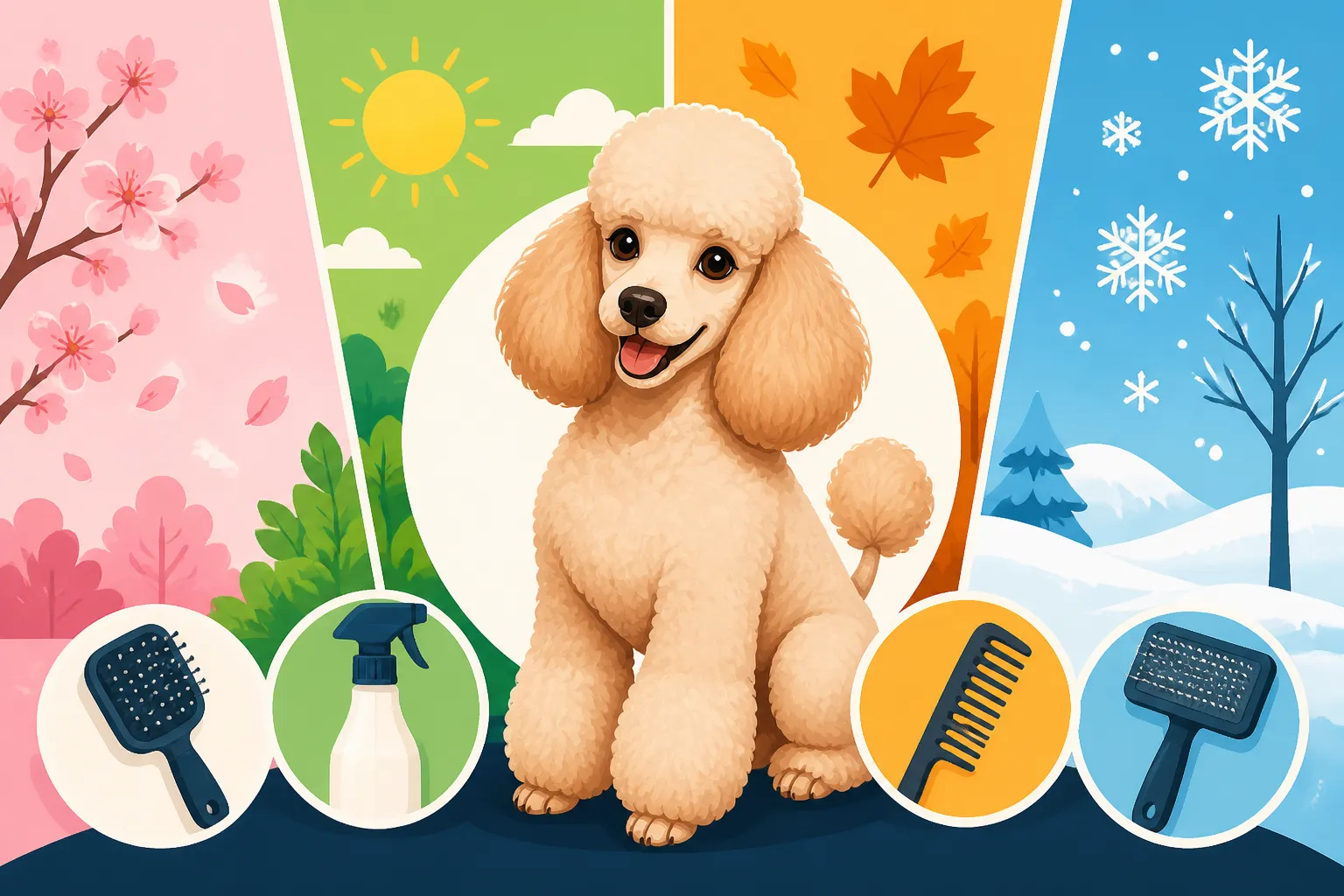
As spring arrives, humidity levels often rise, and outdoor activities increase. This means more exposure to pollen, mud, and general grime. For adolescent Poodles, spring can coincide with the dreaded "coat change," where their soft puppy coat transitions to the denser adult coat, creating a matting nightmare. Coat Change in an Adolescent Poodle explains this phenomenon in more detail. Summer brings heat and often water – whether from swimming pools, lakes, or just higher humidity – which requires careful attention to drying and preventing skin infections. Fall then shifts back to cooler, possibly wetter weather, bringing in leaves and other outdoor debris that love to hitch a ride in those curls. Each season presents its own unique set of challenges that demand a tailored approach to grooming and skin care.
Identifying What Your Poodle's Coat Needs
The best way to identify what your Poodle's coat needs is through regular, hands-on inspection. Don't just visually check; run your fingers down to the skin, parting the hair in different sections, especially in common matting areas like behind the ears, armpits, groin, and under the collar. Feel for dryness, bumps, excessive oiliness, or any signs of irritation. Pay attention to the texture of the hair itself – is it soft and supple, or dry and brittle? Is it shedding more than usual, even for a Poodle (which could indicate a health issue)?
Listen to your Poodle, too. Excessive scratching, licking, or rubbing could be a sign of skin irritation, allergies, or dryness. During different seasons, these signs might point to different culprits. In winter, scratching might be due to dry skin, while in spring, it could be environmental allergies. Your Poodle's behavior offers crucial clues. If you notice persistent issues, don't hesitate to consult your veterinarian. They can help rule out underlying health problems like Poodle Allergies and Skin Reactions or even Sebaceous Adenitis and the Poodle Coat, which can mimic seasonal dryness.
Winter Woes and Wonders: Protecting Against the Cold
Winter is a tricky time for Poodles. While their dense coat is designed for insulation, the combination of cold, dry outdoor air and warm, dry indoor heating can wreak havoc on their skin and hair. Our goal in winter is to protect them from the elements while combating dryness and matting.
Preventing Mats in Winter Layers
Many Poodle owners opt for a longer clip in winter to give their dogs extra warmth and protection from the cold. This is a lovely idea in theory, but longer hair means more surface area for mats to form, especially when it rubs against sweaters, coats, and even blankets. The dry winter air can also make the hair more prone to tangling and static, which can quickly turn small knots into massive mats. Therefore, a longer winter coat demands an increase in brushing frequency, not a decrease.
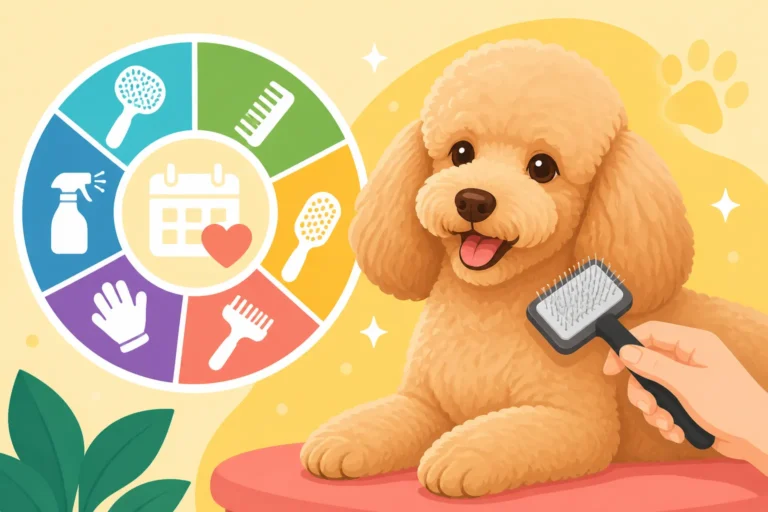
You need to be diligent with line brushing, getting all the way down to the skin to prevent mats from forming at the root, where they are hardest to detect and most painful to remove. How Often a Poodle Must Be Brushed suggests daily or every-other-day brushing for longer coats. Focus particularly on friction points like the chest where harnesses rub, the armpits, inner thighs, behind the ears, and the tail base. Using a good quality detangling spray, perhaps one with moisturizing properties, before you brush can help reduce static and make the process smoother, protecting the hair from breakage. Consider a coat or sweater for walks, but remember that the friction these garments cause also contributes to matting, so increased brushing is non-negotiable.
Hydrating Dry Winter Skin and Coat
The dry air of winter, especially with central heating running indoors, can really strip moisture from your Poodle's skin and coat. This leads to dry, flaky skin, itchiness, and a dull, brittle coat that's more susceptible to breakage and matting. Hydration becomes key, both internally and externally. For external care, consider incorporating more moisturizing products into your bathing routine. A good quality, hydrating shampoo followed by a rich conditioner designed for dry skin and coats can make a huge difference. Don't rush the conditioning step; allow the conditioner to sit for a few minutes to deeply penetrate the hair shaft and skin.
Between baths, look for leave-in conditioners or coat sprays that add moisture without making the coat greasy. Some owners find success with weekly conditioning treatments or "oil soaks" if their Poodle suffers from extreme dryness, but this requires thorough rinsing to prevent skin irritation. Internally, ensure your Poodle has constant access to fresh water. You might also consider adding a high-quality fish oil supplement to their diet, rich in Omega-3 fatty acids, which are fantastic for skin and coat health. Brands like Chewy offer a wide selection of these supplements, making it easy to find one that suits your Poodle's needs.
Foot Care for Cold Weather
Winter weather can be incredibly harsh on your Poodle's paws. Cold temperatures, ice, snow, and de-icing salts can cause cracking, dryness, and irritation. If your Poodle has longer hair, snow and ice can also clump between their paw pads, leading to painful ice balls. Regularly trim the hair between their paw pads to prevent this accumulation. You want to keep it flush with the pads themselves, creating a clean, short barrier.
After walks, especially in snowy or salted areas, make sure to thoroughly rinse and dry your Poodle's paws. Even if you can't see salt, it can linger and cause irritation. Consider using protective paw balms or waxes before walks to create a barrier against the elements. If your Poodle tolerates them, dog boots are an excellent way to protect their paws from extreme cold and chemical irritants. Nail Trims Between Poodle Grooms also touches upon the importance of keeping nails short, which is crucial year-round but particularly so in winter when uneven nails can make walking on icy surfaces more difficult.
Springtime Shedding (and Not-Shedding) and Growth
Spring is a season of renewal, but for Poodle owners, it can also bring unique coat challenges. While Poodles don't "shed out" like other breeds, the increased humidity and outdoor activity can still impact their coat's condition.
Dealing with the "Coat Change" in Adolescents and Adults
For Poodle puppies around 8-18 months of age, spring might coincide with the infamous "coat change." This is when their softer puppy fluff gives way to the denser, coarser adult coat. These two textures intertwine, forming super-tight, tenacious mats that seem to appear overnight. This period requires extreme vigilance with brushing, often demanding daily, lengthy sessions. If not managed, the coat can become completely matted to the skin, necessitating a painful and expensive full shave-down.
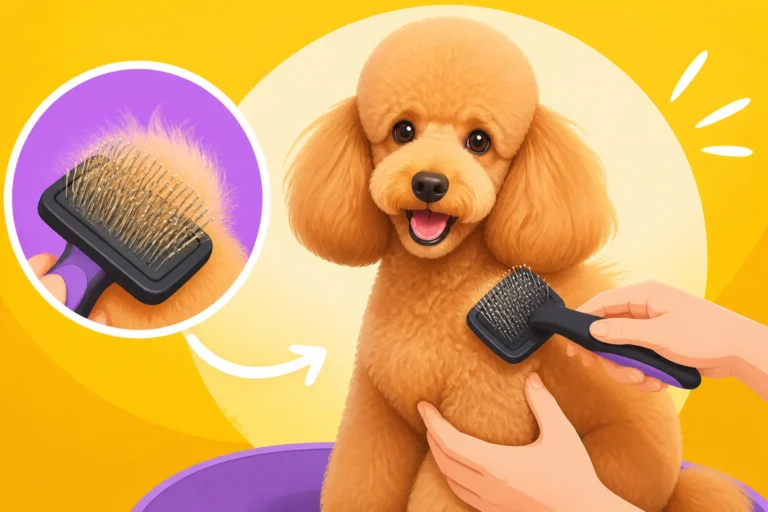
Even adult Poodles, though not undergoing a dramatic coat change, can experience a subtle shift in coat density or texture with seasonal changes in humidity and temperature. This might lead to increased matting if your grooming routine isn't adjusted. The key here is proactive care. If you notice the brush meeting more resistance, increase your brushing frequency and ensure you're using a good quality slicker brush and metal comb to work through the coat meticulously. Don't be afraid to use a detangling spray to help loosen any knots before they become serious. This is also a good time to consider if your current grooming schedule with your professional groomer is sufficient, or if adding a mid-cycle "tidy-up" appointment might prevent bigger issues.
Managing Outdoor Allergens on the Coat
Spring and summer bring blooming plants and higher pollen counts, which can be a nightmare for Poodles prone to environmental allergies. Pollen, dust, and other allergens can cling to their curly coats, irritating their skin. Your Poodle might start scratching, licking, or chewing their paws excessively, and their skin might appear red or inflamed. Regular bathing is an effective way to remove these allergens from the coat and skin.
Using a gentle, hypoallergenic shampoo designed for sensitive skin can help wash away irritants without stripping essential oils. Following up with a good conditioner is crucial to keep the skin hydrated and the coat healthy. After outdoor excursions, especially during high pollen counts, consider a quick wipe-down of their paws, belly, and face with a damp cloth to remove surface allergens. This simple habit can significantly reduce the amount of allergens your Poodle brings into the house and the contact time with their skin. For Poodles with severe allergies, your vet might recommend specific medicated shampoos or other treatments, which you can often find at specialty pet stores or online through platforms like Chewy.
Early Preparations for Summer
As spring progresses, the weather warms up, and thoughts turn to summer. This is an excellent time to start preparing your Poodle's coat for the hotter months. Many owners opt for a shorter, more manageable clip for summer, which can help keep their Poodle cooler and reduce the grooming burden associated with wet, muddy outdoor adventures. If you plan to go shorter, start discussing clip options with your groomer now. They can advise on the best length and style for your Poodle's activity level and your climate.
Consider a professional groom to get a fresh start, ensuring all winter mats are cleared out and the coat is in top condition. This foundational groom makes at-home maintenance much easier. Think about your Poodle's summer activities. Will they be swimming? Spending a lot of time outdoors? These factors will influence the ideal coat length. Remember, even with a shorter clip, regular brushing is still essential to prevent mats from forming and to keep the skin healthy. This transition period allows both you and your Poodle to adjust before the full heat of summer arrives.
Summer Sunshine and Swimming Strategies
Summer is a time for fun in the sun, but it also brings unique challenges for Poodle coats, particularly related to heat and water exposure. The goal is to keep them cool, comfortable, and free from skin issues.
Keeping a Poodle Cool and Comfortable
In the heat of summer, a Poodle's dense coat can quickly lead to overheating, especially for larger Standard Poodles. Many owners choose a shorter clip for the warmer months to help dissipate heat and reduce the risk of heatstroke. A "sporting clip" or "kennel clip" is popular, where the body hair is kept uniformly short, but not shaved completely bare. This provides some protection from the sun while allowing air to circulate. The Sporting and Kennel Poodle Clips offers more insight into these practical styles.
Even with a shorter clip, ensure your Poodle has constant access to shade and fresh, cool water. Avoid exercising during the hottest parts of the day. If your Poodle has a longer topknot or ears, consider light bands or clips to keep the hair off their face and neck. Regularly misting their paws and belly with cool water can also help regulate their body temperature. Remember, their coat, while providing insulation, can also trap heat against the body, so thoughtful grooming combined with environmental management is crucial.
Post-Swim Care and Preventing Skin Issues
Poodles, being water retrievers, often love to swim. However, wet Poodle coats can quickly turn into matted messes and lead to skin infections if not properly cared for. After every swim, whether in a pool, lake, or ocean, your Poodle needs a thorough rinse with clean, fresh water. This removes chlorine, salt, dirt, and any other contaminants that can irritate the skin or damage the coat.
Following the rinse, it is absolutely crucial to dry their coat completely, down to the skin. Air drying a Poodle is a recipe for disaster; it leads to matting and creates a damp environment perfect for bacterial or fungal skin infections, especially in those dense curls. Use a high-velocity dryer if you have one, or a regular hairdryer on a cool setting, while brushing and line drying. Pay extra attention to areas that tend to stay damp, like armpits, groin, and ears. Rinsing Chlorine From a Poodle Coat provides specific tips on maintaining coat health after aquatic adventures. Ensure their ears are also thoroughly dried, as dampness under those dropped Poodle ears is a common cause of ear infections.
Sun Protection for Closely Clipped Poodles
While a shorter clip can help keep your Poodle cool, it also removes a layer of natural sun protection. A Poodle shaved very short, especially on their back or ears, is susceptible to sunburn, just like people. This is particularly true for Poodles with lighter-colored coats or pink skin. Sunburn isn't just painful; it can also increase the risk of skin cancer.
If your Poodle is closely clipped and spends time outdoors, consider applying dog-specific sunscreen to exposed areas, such as the tips of their ears, nose, and any thinly coated spots. You can find these products on Chewy or Amazon. Limiting sun exposure during peak hours (10 AM to 4 PM) is also wise. For Poodles who enjoy lounging in the sun, a light, breathable dog shirt designed for UV protection can be a great option. Sun Protection for a Shaved Poodle offers further guidance on keeping sensitive skin safe during sunny days.
Autumn Adventures and Preparing for Winter's Return
As the vibrant colors of autumn arrive, so do new challenges for your Poodle's coat. Cooler, often wetter weather, combined with an abundance of leaves and debris, means another shift in your grooming strategy. It's also a crucial time to start preparing their coat for the colder months ahead.
Managing Fall Foliage and Debris
Autumn is beautiful, but all those falling leaves, twigs, and burrs are masters at entangling themselves in a Poodle's curly coat. A fun walk in a leaf-strewn park can quickly turn into an hour-long session of picking debris out of your Poodle's fur. This isn't just tedious; if left unchecked, these natural materials can quickly cause painful mats and even skin irritation as they rub against the skin.
After every outdoor adventure, no matter how short, make it a habit to thoroughly check your Poodle's coat for embedded debris. A metal comb is invaluable for gently working out twigs and burrs. Pay particular attention to the legs, belly, and tail, as these areas are closest to the ground and most likely to pick up hitchhikers. A quick brush-through can help prevent minor tangles from escalating. Some owners opt for a slightly shorter clip on the legs and belly during this season to minimize debris collection, making clean-up much faster and easier.
Boosting Coat Health for the Colder Months
As temperatures drop and indoor heating kicks in, the air begins to dry out, setting the stage for winter dryness. Autumn is the perfect time to proactively boost your Poodle's coat and skin health to build a strong foundation against the harsh winter elements. Incorporate rich, moisturizing shampoos and conditioners into your bathing routine, focusing on hydration. Consider adding a weekly leave-in conditioner or a hydrating spray to keep the coat supple between baths.
Diet plays a significant role in coat health, so review your Poodle's food. High-quality diets rich in Omega-3 and Omega-6 fatty acids can improve skin elasticity and coat luster. If your current food isn't cutting it, consider talking to your vet about switching to a formula specifically designed for skin and coat health, or adding a supplement. Brands like Ollie, which offer fresh, human-grade food, often emphasize ingredients that support skin and coat health from within. This internal nourishment can help your Poodle's skin produce healthy oils, offering a natural defense against the coming dry air.
Revisiting Winter Grooming Routines
Autumn is the transition period, so it's time to start thinking about your winter grooming strategy. If you typically keep your Poodle in a shorter clip for summer, you might want to let their coat grow out a bit for extra insulation as the weather gets colder. Discuss this with your groomer, planning a clip that gradually allows for more length while remaining manageable. Remember, a longer coat requires more frequent and thorough brushing at home to prevent matting, especially with the added friction from winter clothing.
Start re-introducing any paw balms or protective gear you use in winter. Check your grooming supplies to ensure your brushes are in good condition and you have plenty of detangling spray. This is also a good time to ensure your Poodle is comfortable with indoor drying if you've been relying on warmer outdoor drying during the summer. Practicing now will make the full winter routine much smoother for both of you.
Essential Grooming Tools for Year-Round Care
Having the right tools is non-negotiable for Poodle coat care. The specific items you reach for might shift with the seasons, but a core set of high-quality equipment will serve you year-round. Investing in good tools makes the grooming process more efficient, more effective, and more comfortable for your Poodle.
Brushes, Combs, and Their Seasonal Use
Your arsenal of brushes and combs is your first line of defense against mats and dull coats. A good quality slicker brush is essential year-round for Poodles of all sizes and coat lengths. It's designed to get through the dense curls and lift loose hair without damaging the healthy coat. For winter, when coats might be longer, or during the spring coat change, you might need a slicker with slightly longer pins to reach the skin effectively. Which Slicker Suits a Poodle Coat can help you choose.
Alongside the slicker, a sturdy metal greyhound comb is absolutely critical. Use it to check your work after brushing with the slicker, ensuring you can comb through the coat from root to tip without snagging. Different comb tooth densities are useful: wider teeth for initially detangling, and finer teeth for checking areas prone to matting. In autumn, a comb with strong, widely spaced teeth can be particularly helpful for raking out leaves and debris. You can often find excellent quality brushes and combs on Chewy or Amazon, offering a wide range to suit different Poodle sizes and coat types.
Shampoos, Conditioners, and Skin Treatments
The selection of shampoos and conditioners can be tailored seasonally. In winter, opt for highly moisturizing or conditioning shampoos and follow up with a rich conditioner to combat dryness. Look for ingredients like oatmeal, lanolin, or specific humectants. In spring and summer, especially if your Poodle has allergies or swims frequently, a gentle, hypoallergenic, or clarifying shampoo might be more appropriate to remove allergens, dirt, and chlorine residue without irritating the skin.
Conditioners are vital year-round, not just for coat softness, but for moisturizing the skin and making brushing easier. A good conditioner helps close the hair cuticle, making the coat less prone to matting and breakage. Consider a leave-in conditioner or coat spray, particularly in dry winter months or after swims, to provide continuous hydration. If your Poodle suffers from specific skin conditions, your vet might recommend medicated shampoos, which should be used as directed regardless of the season. Shampoo and Conditioner for a Poodle Coat offers more in-depth advice on product selection.
Clippers and Blades for Different Times of Year
While professional groomers are invaluable, many Poodle owners choose to do some maintenance clipping at home, especially face, feet, and tail trims. The type of clippers and blades you use can vary with the seasons and the desired coat length. For longer winter clips, you might use longer guard combs over your clipper blades to maintain a bit more length for warmth. In summer, you might switch to a shorter blade or a shorter guard comb for a cooler, more manageable clip.
Investing in a good pair of Clippers Worth Buying for a Poodle is a smart move for any Poodle owner. Ensure you have a range of blade sizes (e.g., #10 for sanitary areas, #30 for a clean face/feet, and various guard comb lengths for the body). Keep your blades clean, oiled, and sharp; dull blades can pull the hair and cause discomfort. Consider having them professionally sharpened or having a spare set on hand. The exact blade choice will depend on the final look you're going for and your Poodle's specific coat texture, which can sometimes change slightly with age or season.
| Season | Typical Coat Length Preference | Key Grooming Focus | Recommended Tools/Products |
|---|---|---|---|
| Winter | Longer for warmth | Hydration, mat prevention from layers, paw protection | Moisturizing shampoo/conditioner, detangling spray, paw balm, dog boots, fine tooth comb |
| Spring | Transitioning, often shorter for cleanliness | Allergy removal, coat change management, debris removal | Hypoallergenic shampoo, good slicker brush, metal comb, ear cleaner, damp cloth for paws |
| Summer | Shorter for coolness, UV protection | Post-swim care, sun protection, cooling | Clarifying shampoo, quick-drying towel, dog sunscreen, short blades/guard combs, ear dryer |
| Autumn | Growing out for insulation | Debris removal, coat health boost, preparing for cold | Strong metal comb for debris, rich conditioner, fish oil supplement, maintenance clippers |
Dietary Adjustments for Coat Health
It's easy to focus solely on external grooming, but what goes into your Poodle's body is just as, if not more, important for the health of their skin and coat. Nutrition provides the building blocks for healthy hair growth and a robust skin barrier, and subtle adjustments can be beneficial across the seasons.
Nutritional Support for Skin and Coat
A Poodle's coat is almost entirely made of protein, so a high-quality diet with adequate protein levels is fundamental. Look for dog foods where a named meat source is the first ingredient. Beyond protein, essential fatty acids, particularly Omega-3 and Omega-6, are crucial for maintaining skin integrity and a shiny, healthy coat. These fatty acids help reduce inflammation, improve the skin's barrier function, and contribute to the softness and luster of the hair.
During times of seasonal stress, like dry winters or allergy-prone springs, ensuring these nutrients are abundant in your Poodle's diet can make a noticeable difference. Some premium dog food brands, like Ollie, focus on fresh, whole ingredients that are naturally rich in these beneficial fats and proteins. Feeding a Poodle by Size can help you determine appropriate portion sizes for optimal health. If your Poodle's coat consistently looks dull, feels brittle, or their skin is dry, it might be worth discussing their diet with your veterinarian to see if a nutritional adjustment is warranted.
Hydration Strategies for Optimal Coat Condition
Just as external hydration is important, internal hydration is paramount for overall health, including skin and coat condition. A well-hydrated Poodle will have healthier skin and a more supple coat. Ensure your Poodle always has access to fresh, clean water, replenishing it throughout the day. In winter, when the air is dry, they might need even more water. Some Poodles prefer ceramic or stainless steel bowls, and some even enjoy pet drinking fountains, which can encourage them to drink more.
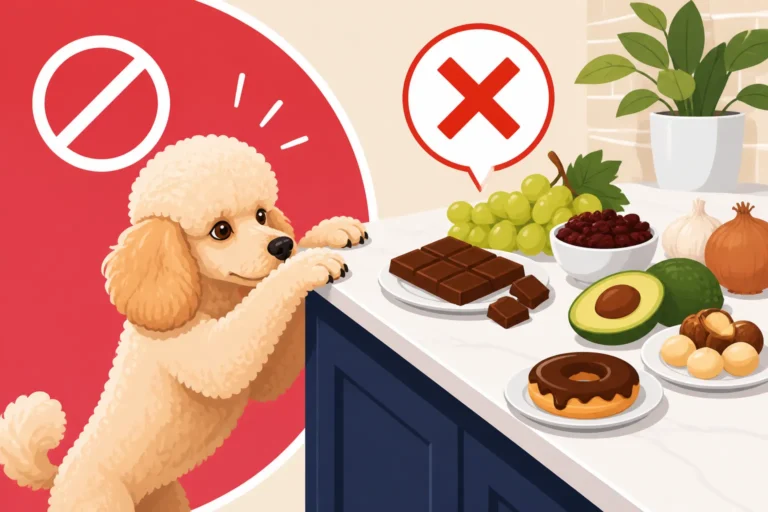
If your Poodle isn't a big drinker, consider adding some moisture to their diet. This could be in the form of wet dog food, or by adding a bit of low-sodium chicken or beef broth (check ingredients to ensure no onion or garlic!) to their kibble. Feeding fresh food diets, like those offered by Ollie, naturally provides a higher moisture content, which can contribute to overall hydration. Adequate hydration helps keep the skin pliable and prevents it from becoming dry and flaky, which in turn supports healthy hair growth.
Supplements for a Lustrous Coat
Even with a high-quality diet, some Poodles can benefit from targeted supplements, especially during certain seasons or if they have specific coat concerns. Fish oil supplements, rich in EPA and DHA (types of Omega-3 fatty acids), are perhaps the most popular and effective for skin and coat health. They can help reduce inflammation, alleviate dry, itchy skin, and promote a shinier coat. You can find many reputable brands on Chewy and Amazon.
Other supplements like coconut oil (in moderation), biotin, or specific skin and coat formulations might also be beneficial. Always discuss any new supplements with your veterinarian before introducing them to your Poodle's diet, especially to ensure appropriate dosing and to avoid any interactions with existing medications or health conditions. Supplements are not a substitute for a balanced diet but can provide an extra boost when your Poodle's coat needs a little extra love, particularly through challenging dry periods or during intense grooming seasons.
When to Seek Professional Help
While consistent at-home grooming is the cornerstone of Poodle coat care, there are times when a professional's expertise is absolutely necessary. Knowing when to call in the cavalry – whether a professional groomer or your veterinarian – can prevent minor issues from escalating into major problems.
Recognizing Persistent Skin or Coat Issues
You know your Poodle best. If you notice persistent issues with their skin or coat that don't respond to your usual seasonal adjustments, it's time to seek professional advice. Signs to watch for include:
- Excessive scratching, licking, or chewing: Especially if it leads to hot spots, raw skin, or hair loss. This could indicate allergies, parasites, or an underlying skin condition.
- Dandruff or flakiness: Beyond minor seasonal dryness, persistent flaking could signal skin disease or nutritional deficiencies.
- Redness, bumps, or rashes: These are clear indicators of skin irritation, infection, or allergic reactions.
- Unusual odor: A persistent, unpleasant odor from the skin or coat, even after bathing, can point to bacterial or yeast infections.
- Sudden or severe matting: If your Poodle suddenly develops severe mats despite regular brushing, especially outside of a typical coat change, it could be a sign of poor coat health or an underlying issue.
- Changes in coat texture or hair loss: While subtle changes can be seasonal, dramatic shifts can indicate hormonal imbalances, nutritional problems, or autoimmune diseases like Thyroid Disease in Poodles or Sebaceous Adenitis and the Poodle Coat.
Don't wait until the problem becomes severe. Early intervention can often resolve issues more quickly and with less discomfort for your Poodle.
The Role of a Professional Groomer in Seasonal Care
Professional groomers are invaluable partners in managing your Poodle's coat year-round. They have the specialized tools, knowledge, and experience to handle Poodle coats safely and effectively. In winter, they can execute a longer, insulating clip while ensuring it's thoroughly dematted and conditioned. In summer, they can provide a shorter, practical clip that keeps your Poodle cool and comfortable. They can also expertly handle the challenging "coat change" in spring, often saving owners from desperate shave-downs.
Beyond just clipping, a good groomer will perform a thorough skin and coat assessment at each visit. They can spot early signs of skin issues, identify mats you might have missed, and recommend appropriate shampoos, conditioners, or skin treatments. They can also provide guidance on at-home brushing techniques and product choices tailored to your Poodle's specific coat type and seasonal needs. Think of your groomer as a knowledgeable consultant who ensures your Poodle's external health is always optimized.
Consulting Your Vet for Dermatological Concerns
When skin and coat issues are persistent, severe, or accompanied by other symptoms like lethargy, changes in appetite, or behavioral shifts, your veterinarian is the primary professional to consult. A vet can diagnose underlying medical conditions that manifest as skin or coat problems, such as allergies, infections, hormonal imbalances, or autoimmune diseases. They can run tests, prescribe medications, or recommend specialized diets or supplements that a groomer cannot.
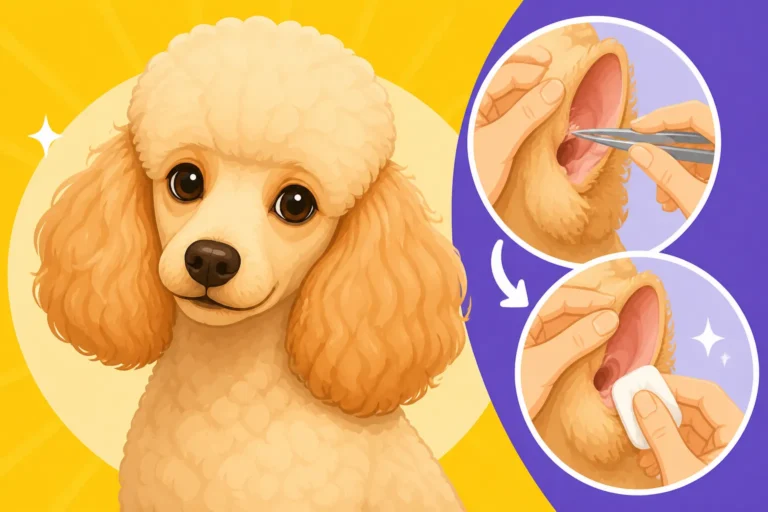
For example, if your Poodle has chronic ear infections despite regular Plucking and Cleaning Poodle Ears, your vet might investigate allergies as a root cause. Similarly, persistent scratching or skin irritation might lead to a discussion about Elimination Diets for an Itchy Poodle to rule out food sensitivities. Don't rely solely on over-the-counter remedies if the problem isn't quickly resolved. Your vet has the expertise to get to the bottom of dermatological issues and create a comprehensive treatment plan that addresses both the symptoms and the underlying cause, ensuring your Poodle's long-term health and comfort.
Disclaimer
This article is for general informational purposes only and does not constitute professional advice. Laws, prices and regulations vary by location and change over time. Consult a qualified professional for guidance on your specific situation.