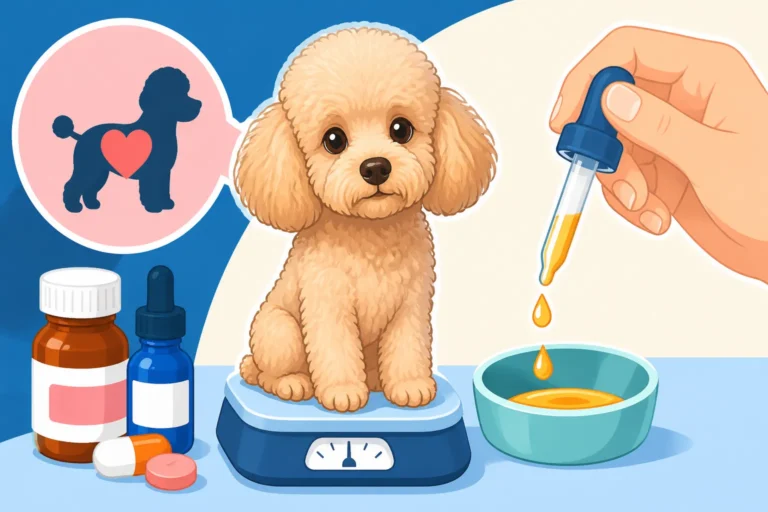
Blood Sugar Crashes in a Toy Poodle
There's nothing quite as terrifying for a Toy Poodle owner as seeing their tiny companion suddenly falter, become disoriented, or even collapse. This isn't just a moment of worry; it's a gut-wrenching panic that something is seriously wrong. These dramatic episodes are often due to a rapid and dangerous drop in blood sugar, medically known as hypoglycemia. This guide is here to walk you through understanding why these crashes happen in our precious Toy Poodles, how to spot the early signs, what immediate steps you must take, and how to prevent these frightening occurrences, giving you the confidence and knowledge to protect your little friend.
Understanding Hypoglycemia in Toy Poodles
Hypoglycemia, or low blood sugar, is a condition that sounds simple, but in Toy Poodles, it can be life-threatening. Unlike larger breeds, Toy Poodles have a more delicate physiological balance, making them particularly susceptible to these sudden drops. It's not just about missing a meal; it's about their unique metabolism and the various factors that can throw it off kilter.
The Delicate Metabolism of Small Breeds
Imagine trying to keep a tiny teacup full versus a large bucket. That's essentially the difference in energy reserves between a Toy Poodle and a larger dog. Toy Poodles, weighing in at under 10 pounds (and often much less), have very small bodies with a disproportionately large surface area compared to their mass. This means they lose body heat more quickly, requiring more energy to stay warm. Their liver, which is responsible for storing and releasing glucose (sugar) into the bloodstream, is also much smaller and less efficient at regulating these levels over long periods.
For a young Toy Poodle puppy, especially one under four or five months old, this delicate balance is even more pronounced. Their systems are still developing, and they haven't yet learned to self-regulate their blood sugar as effectively as adult dogs. A missed meal, a sudden chill, or even an overly energetic play session can rapidly deplete their limited glucose stores, leading to a crash. It's a constant tightrope walk, and as owners, we need to be their safety net. This is why understanding Hypoglycemia in a Toy Poodle Puppy is so crucial, as their vulnerability is at its peak during this developmental stage.
What Causes Blood Sugar to Drop
While simply not eating is the most common and obvious cause, especially in puppies, several factors can trigger hypoglycemia in a Toy Poodle. Intense or prolonged exercise without adequate fuel can burn through their sugar reserves faster than their tiny bodies can replenish them. Think of a puppy playing zoomies for an hour straight without a break or a snack – it's adorable, but potentially dangerous.
Stress can also play a significant role. A new environment, a trip to the vet, or even an upset in their routine can trigger a stress response that affects their metabolism. Underlying health issues, though less common in young, otherwise healthy puppies, can also be culprits. These include liver shunts, pancreatic tumors (insulinomas), severe infections, or even parasites that impact nutrient absorption. Sometimes, it's a combination of these factors – a slightly longer gap between meals combined with a chilly day and a burst of excitement. Even something as simple as a sudden diet change or an upset tummy that prevents proper food absorption can contribute to a drop. For adult Toy Poodles, though less frequent, conditions like diabetes (with too much insulin), severe kidney disease, or certain types of cancers can lead to hypoglycemic episodes.
Recognizing the Early Warning Signs
Spotting a blood sugar crash in its nascent stages is absolutely critical. The faster you recognize the subtle signals, the quicker you can intervene and prevent a full-blown emergency. Many owners initially mistake these signs for simple tiredness or naughtiness, only to realize later the gravity of the situation. This is why knowing Signs of Low Blood Sugar in a Toy Poodle Puppy can literally be a lifesaver.
Subtle Behavioral Changes
Your Toy Poodle is typically a vibrant, inquisitive, and often sassy little character. When their blood sugar starts to dip, you might notice a shift in their usual demeanor. They might become unusually quiet or lethargic, no longer interested in their favorite squeaky toy or a game of fetch. Instead of greeting you at the door with enthusiasm, they might barely lift their head. You might also observe them appearing disoriented or confused, perhaps staring blankly or bumping into familiar objects.
Sometimes, they might seem restless or anxious, pacing or whining without a clear reason, as their body signals distress. They might seem "off," perhaps not responding to their name or commands as readily as usual. For example, your normally playful little Pip might suddenly refuse to chase the ball, choosing instead to lie down in a corner and just watch you with half-closed eyes, even when tempted with a favorite treat. This "quietness" is often the most dangerous sign because it's so easy to dismiss as just being sleepy. Always pay close attention to any deviation from your Poodle's normal, joyful self.
Physical Symptoms to Watch For
As the blood sugar continues to drop, the behavioral changes will often escalate into more obvious physical symptoms. Weakness is common; your Toy Poodle might stumble, have trouble standing, or even collapse. You might notice their muscles trembling or shivering, even if they aren't cold. Their gums may appear pale, indicating poor circulation. Excessive drooling can also be a sign.
In more severe cases, you could see incoordination, resembling drunkenness, with a wobbly gait or difficulty maintaining balance. Their eyes might appear glazed over or unfocused. If left untreated, these symptoms can progress rapidly to seizures, unconsciousness, and tragically, even death. I remember a client whose young Toy Poodle, "Bijou," started dragging her back legs slightly after an active morning. The owner thought Bijou had just pulled a muscle, but within twenty minutes, Bijou was trembling uncontrollably. A quick intervention with some Karo syrup brought her back, but it highlighted how rapidly these situations can deteriorate. This is why having knowledge of Emergency Sugar for a Crashing Toy Poodle is paramount and should be part of every small dog owner's preparedness.
Here's a quick reference table for recognizing symptoms:
| Symptom Category | Mild Hypoglycemia (Early) | Moderate Hypoglycemia (Progressing) | Severe Hypoglycemia (Critical) |
|---|---|---|---|
| Behavioral | Lethargy, quietness, reluctance to play | Disorientation, confusion, restlessness, anxiety | Unresponsiveness, vocalizing distress (whining/crying) |
| Motor Skills | Slight weakness, less active | Wobbly gait, stumbling, difficulty standing, trembling | Collapse, seizures, uncontrolled muscle spasms |
| Physical | Normal gum color, regular breathing | Pale gums, glassy eyes, excessive drooling, shivering | Pale/blue gums, shallow breathing, coma |
| Response | Slow to respond to commands/name | Minimal response, difficulty focusing | No response to external stimuli |
Emergency First Aid for a Crashing Poodle
When you suspect a blood sugar crash, time is of the essence. You need to act quickly and confidently. Panicking helps no one, especially your tiny Poodle. Knowing exactly what to do can mean the difference between a swift recovery and a trip to the emergency room, or worse.
Immediate Sugar Sources
The absolute first step is to get some sugar into your Poodle's system, and fast. Liquid sugar sources work best because they are absorbed quickly and can often be administered even if your dog is semi-conscious or reluctant to swallow. The go-to solutions are:
- Karo Syrup or Maple Syrup: These are readily available in most kitchens. Apply a small amount (about 1/4 to 1/2 teaspoon for a Toy Poodle) directly onto their gums. Don't try to force it down their throat, as they could choke. The sugar will absorb through the mucous membranes in their mouth. You might need to repeat this every 10-15 minutes if they don't show improvement.
- Honey: Similar to syrups, honey is also effective. Again, apply it to the gums.
- Glucose Gel: Many pet stores and vet clinics sell glucose gel specifically for diabetic pets or those prone to hypoglycemia. Brands like Nutri-Cal are excellent for this purpose, as they're formulated for quick absorption and are easy to apply. Keeping Glucose Gel for a Toy Poodle in your emergency kit is a very smart move.
Once your Poodle shows signs of improving (becoming more alert, less wobbly), offer a small meal of their regular food or something appealing like boiled chicken and rice to stabilize their blood sugar further. A tiny Poodle needs consistent energy. Remember, this is emergency aid, not a cure. Even if they seem to bounce back, a vet visit is still highly recommended to understand why the crash occurred.
When to Head to the Emergency Vet
While immediate sugar can often reverse a mild to moderate episode, there are clear situations where you need to get to a veterinary emergency clinic without delay. If your Toy Poodle has collapsed, is having seizures, or is unresponsive despite repeated application of sugar to their gums, you need to be in the car headed to the vet. Do not wait for them to "snap out of it." Every minute counts in these critical situations.
Even if your Poodle seems to recover quickly, it's wise to contact your regular veterinarian. They can advise you on whether an immediate visit is necessary or if monitoring at home is sufficient. They might want to perform some diagnostic tests, particularly if this is the first episode or if it's recurrent, to rule out underlying medical conditions. If you're ever in doubt, err on the side of caution and seek professional help. It's always better to be safe than sorry when it comes to the fragile health of our little ones. I often tell my readers that What a Vet Checks on a Toy Poodle Puppy goes beyond just their physical exam, often including blood tests to get to the root cause of issues like hypoglycemia.
Preventing Future Hypoglycemia Episodes
The best defense against blood sugar crashes is a strong offense: prevention. By understanding the triggers and implementing a consistent routine, you can significantly reduce the risk of your Toy Poodle experiencing another frightening episode. It’s all about creating stability in their tiny, delicate systems.
Establishing a Consistent Feeding Schedule
This is arguably the most crucial aspect of preventing hypoglycemia in Toy Poodles, particularly puppies. Their small stomachs and rapid metabolism mean they can't go as long between meals as larger dogs. For young Toy Poodle puppies (under 4-6 months), feeding three to four times a day is often recommended. For very tiny or highly active puppies, even five small meals spread throughout the day might be necessary. This helps maintain a more consistent blood glucose level. How Often a Toy Poodle Puppy Must Eat is a question frequently asked, and the answer is "more often than you'd think!"
For adult Toy Poodles, two meals a day is typically sufficient, but again, consider their individual energy levels and size. Some very tiny or active adults may still benefit from three smaller meals. The key is consistency. Feed them at roughly the same times each day. Don't skip meals or drastically change their feeding times. If you have an exceptionally busy day planned, make sure you still carve out time for their meals or arrange for someone else to feed them. Even short-term disruptions can have an impact. When a Toy Poodle grows into adulthood, the question of The Age a Toy Poodle Goes to Two Meals becomes relevant, and it's a transition that needs to be managed carefully, often between 6-12 months of age, depending on the individual dog.
The Role of Diet and Nutrition
What you feed your Toy Poodle is just as important as when you feed them. A high-quality, balanced diet specifically formulated for small breed puppies or adult dogs is essential. Look for foods that list a good quality meat source as the first ingredient. Avoid foods with excessive fillers or artificial ingredients, which offer little nutritional value and can sometimes lead to digestive upset, further impacting blood sugar.
Some Toy Poodles, especially those prone to hypoglycemia, may benefit from a diet that provides sustained energy release. Your vet might recommend a specific brand or type of food. For instance, some formulations might have a slightly higher fat content or specific complex carbohydrates to help regulate blood sugar more effectively. Always ensure fresh water is available, as dehydration can also impact overall health. When it comes to Feeding a Toy Poodle Puppy, veterinarians often recommend specific formulas that are nutrient-dense and easily digestible to support their rapid growth and high metabolic rate, minimizing the risk of sugar crashes. Discussing Portion Control for a Poodle with your vet is also vital, as underfeeding or overfeeding can both contribute to health issues.
Managing Stress and Exercise
Both excessive stress and overly strenuous exercise can deplete a Toy Poodle's blood sugar. While Poodles are active and intelligent dogs that need regular exercise and mental stimulation, it's important to tailor their activity levels to their size and stamina. A lengthy, high-intensity play session might be fine for a Standard Poodle, but it could push a tiny Toy Poodle into a hypoglycemic state.
Break up exercise into shorter, more frequent sessions throughout the day. Instead of one long walk, try two or three shorter walks interspersed with indoor play. If you're planning a particularly active outing, bring along some high-quality, easily digestible treats for quick energy boosts. Puzzle toys and training sessions can provide mental exercise without overexerting their physical bodies, especially on days when longer walks aren't feasible. Remember that Exercise a Toy Poodle Actually Needs might be less about distance and more about mental engagement and bursts of activity, rather than prolonged exertion.
Minimize stress where possible. If your Poodle is easily stressed by new environments, try to introduce them gradually or use calming aids recommended by your vet. A consistent routine for feeding, play, and rest can go a long way in keeping their system stable and reducing anxiety-induced metabolic fluctuations.
Long-Term Management and Veterinary Care
While emergency interventions are crucial, preventing hypoglycemia over the long term requires a proactive partnership with your veterinarian. They are your best resource for understanding your Toy Poodle's unique needs and creating a comprehensive health plan.
Diagnostic Tests and Underlying Conditions
If your Toy Poodle has experienced even one episode of hypoglycemia, your vet will likely want to perform a thorough examination and potentially some diagnostic tests. This isn't just to confirm hypoglycemia but to investigate why it happened. Common tests might include:
- Full Blood Panel (CBC and Chemistry): This provides a snapshot of their overall health, including red and white blood cell counts, and organ function (liver, kidneys). It can help identify infections, inflammation, or organ dysfunction that might contribute to blood sugar imbalances.
- Urinalysis: Checks kidney function, hydration, and can reveal signs of infection or other metabolic issues.
- Fecal Test: To rule out intestinal parasites that could be impacting nutrient absorption, especially important for puppies.
- Specific Glucose Testing: Beyond a simple blood sugar check, your vet might look at specific hormone levels or perform glucose curves to see how your dog's body regulates sugar over time.
- Imaging (Ultrasound or X-rays): In rare cases, if an underlying condition like a liver shunt or a tumor is suspected, imaging might be recommended to visualize internal organs.
These tests are vital for identifying or ruling out more serious conditions that could be causing recurrent hypoglycemia. For instance, a condition like a portosystemic shunt (liver shunt) can prevent the liver from properly processing toxins and regulating blood sugar, leading to crashes. While rare, it's something a thorough vet will investigate. Knowing What a Toy Poodle Breeder Screens For can also give insights into potential genetic predispositions that might warrant closer monitoring.
Medication and Supplementation
In some cases, your veterinarian might prescribe medication or recommend supplements to help manage your Toy Poodle's blood sugar. This is more common if an underlying medical condition is identified or if dietary management alone isn't sufficient to prevent recurrent episodes.
For instance, if a specific metabolic disorder is diagnosed, medication might be necessary to support organ function or regulate hormones. In cases where hypoglycemia is an ongoing risk, your vet might suggest certain dietary supplements that aid in glucose metabolism or provide a slow-release energy source. This could include specialized nutritional pastes or specific vitamin/mineral supplements. However, never start any medication or supplement without your vet's direct guidance. What works for one dog might not be appropriate for another, and incorrect dosing can be dangerous, especially for tiny Poodles.
Crafting a Personalized Care Plan
Based on the diagnostic findings and your Poodle's individual response, your vet will work with you to create a personalized care plan. This plan should be comprehensive and address all aspects of your Poodle's health. It will likely include:
- Detailed Feeding Schedule: Specific times and portion sizes, potentially with recommendations for small, frequent meals or specific types of food.
- Exercise Guidelines: Recommendations for activity levels, duration, and frequency to avoid overexertion.
- Emergency Protocol: A clear plan of action for what to do if a crash occurs, including specific sugar sources and when to seek emergency veterinary care. This often includes having Emergency Sugar for a Croodle Toy Poodle on hand at all times.
- Regular Check-ups: Scheduled veterinary visits to monitor your Poodle's health, adjust medications or diet as needed, and re-evaluate their overall condition.
- Monitoring at Home: Instructions on how to monitor your Poodle for early signs of hypoglycemia and potentially even how to do Checking a Toy Poodle Puppy's Blood Sugar at home if recommended.
- Medication/Supplement Schedule: If applicable, clear instructions on administering any prescribed treatments.
This personalized plan isn't static; it will evolve as your Poodle grows and their needs change. Regular communication with your vet is key to ensuring your Toy Poodle remains healthy and free from blood sugar scares.
Living with a Toy Poodle Prone to Hypoglycemia
Having a Toy Poodle who's experienced a blood sugar crash can be anxiety-inducing. But with careful preparation and consistent habits, you can lead a happy, worry-free life together. It's all about being prepared and creating a supportive environment.
Essential Supplies to Have on Hand
Preparation is your best friend when managing a Toy Poodle prone to hypoglycemia. Consider creating a "hypoglycemia emergency kit" that you keep easily accessible at home and a smaller version for when you travel. This kit should include:
- Glucose Source: A small bottle of Karo syrup, maple syrup, or a tube of veterinary-specific glucose gel (like Nutri-Cal). Remember that Keeping Glucose Gel for a Toy Poodle is not just a recommendation but a necessity.
- Small Syringe (no needle): Useful for administering liquid sugar to the gums without making a mess.
- High-Quality, Easily Digestible Treats: Small, palatable treats that can provide a quick energy boost after a mild episode or during prolonged activity.
- Their Regular Food: If possible, carry a small portion of their usual food.
- Contact Information: Your vet's phone number, the nearest emergency vet clinic's number, and perhaps a trusted friend or family member who knows about your Poodle's condition.
- A Familiar Blanket or Bed: For comfort and warmth if they need to rest.
Keep these items in multiple locations if possible – one at home, one in your car, and one in your travel bag. You never know when you might need them. Being organized gives you peace of mind.
Communicating with Caretakers and Sitters
Your Toy Poodle's care shouldn't stop when you're away. If your Poodle is prone to blood sugar issues, it's absolutely vital to thoroughly brief anyone who will be caring for them, whether it's a pet sitter, dog walker, or a friend. They need to understand the risks, recognize the signs, and know what to do in an emergency.
Provide them with a written document that clearly outlines:
- Your Poodle's feeding schedule and specific dietary needs.
- A list of hypoglycemia symptoms (both subtle and severe).
- Step-by-step instructions for emergency first aid (e.g., how to administer Karo syrup).
- Your vet's contact information and the nearest emergency clinic.
- Your contact information and an alternative emergency contact.
- Where to find the emergency supplies kit.
Walk them through the process, even demonstrating how to apply the syrup to your Poodle's gums. Emphasize the importance of never missing a meal and monitoring their activity. The more informed and prepared your caretaker is, the safer your Poodle will be.
When to Consider Pet Insurance
The reality of managing any chronic or potentially acute health issue in a pet is that it can be expensive. From diagnostic tests to emergency vet visits, the costs can add up quickly. This is where pet insurance can be a real lifeline, offering financial peace of mind. For a Toy Poodle with a history of hypoglycemia, considering pet insurance is a wise decision.
While most insurance policies won't cover pre-existing conditions, if you enroll your Toy Poodle before any hypoglycemic episodes or other underlying conditions are diagnosed, you'll be covered for future incidents. Policies vary widely, so it's crucial to research and choose one that offers comprehensive coverage for emergencies, specialist visits, and potentially even ongoing medications if needed. Companies like Healthy Paws are known for their comprehensive plans, which can cover unexpected accidents and illnesses, including the diagnostic work-ups and emergency treatments associated with blood sugar crashes. When looking into pet insurance, comparing Monthly Insurance Premium by Poodle Size can help you find a plan that fits your budget without compromising on coverage. A good policy can help ease the financial burden, allowing you to focus solely on your Poodle's health without worrying about the bill. Healthy Paws, for example, offers unlimited lifetime benefits on all plans, which can be invaluable for chronic conditions.
Dispelling Myths and Misconceptions
There's a lot of information floating around about pet health, and not all of it is accurate, especially when it comes to specific breeds or conditions. When dealing with something as serious as blood sugar crashes in Toy Poodles, separating fact from fiction is crucial.
"Just Feed Them More" Isn't the Answer
One common misconception is that if a Toy Poodle is experiencing low blood sugar, the solution is simply to feed them a huge meal. While getting food into their system after administering emergency sugar is important, simply overfeeding them is not a sustainable or healthy long-term strategy. In fact, large, infrequent meals can sometimes exacerbate the problem.
Imagine trying to keep a tiny engine running smoothly. You don't dump a massive amount of fuel in at once; you provide a consistent, steady supply. For a Toy Poodle, stuffing them with a big meal can cause their blood sugar to spike quickly, only to crash even harder later as their body overproduces insulin to compensate. The key is small, frequent, balanced meals throughout the day, as discussed in Feeding a Toy Poodle Four Times a Day, rather than massive portions. Quality of food and consistent timing are far more important than sheer quantity. Always weigh your Poodle's meals precisely, as even slight variations can impact their delicate balance. Weighing a Poodle's Meals ensures consistency and proper nutrient intake.
Size Doesn't Always Equate to Robustness
Another myth is that if a Toy Poodle is "small but mighty," they're inherently robust and don't need special care regarding their metabolism. While Poodles, in general, are known for being resilient and intelligent, their miniature size comes with specific physiological considerations that cannot be overlooked. A four-pound Toy Poodle simply doesn't have the same internal reserves or metabolic capacity as a fifty-pound Standard Poodle.
Their tiny bodies mean faster metabolism, less fat and muscle mass to draw on for energy, and often a higher energy requirement per pound of body weight. This isn't a sign of weakness; it's just a characteristic of their breed size. Ignoring these biological realities and treating a Toy Poodle like a scaled-down version of a larger dog can lead to serious health issues, including recurrent hypoglycemia. Understanding that Why Size Changes Which Diseases a Poodle Gets is important, as diseases like bloat are common in Standards but unheard of in Toys, while hypoglycemia is a Toy Poodle-specific concern. Therefore, always approach the care of your Toy Poodle with an understanding and respect for their unique, delicate biology.
Disclaimer
The information provided in this article is for general educational purposes only and is not a substitute for professional veterinary advice. Always consult with a qualified veterinarian for any health concerns or before making any decisions related to your pet's care.