Brushing a Poodle to the Skin
One of the biggest heartbreaks for any Poodle owner is discovering a hidden mat, not on the surface, but deep down, right against your beloved companion's skin. It’s a common scenario: you brush your Poodle daily, admiring the soft, fluffy exterior, only to find a felted, painful tangle lurking beneath when you try to get a comb through. This guide is here to unravel that mystery and teach you the indispensable technique of "brushing a Poodle to the skin," ensuring their magnificent coat remains healthy, comfortable, and mat-free from the roots up.
Why Brushing to the Skin is Non-Negotiable for Poodles
If you're new to Poodles, or even if you've had one for years, the concept of brushing to the skin might sound a little intense. But trust me, it's not about being harsh; it's about being thorough, and it's absolutely vital for this breed. Their unique coat, often described as hair rather than fur, behaves very differently from many other dogs. It's a coat that commands respect and a specific type of care to thrive.
Understanding the Poodle's Unique Coat Structure
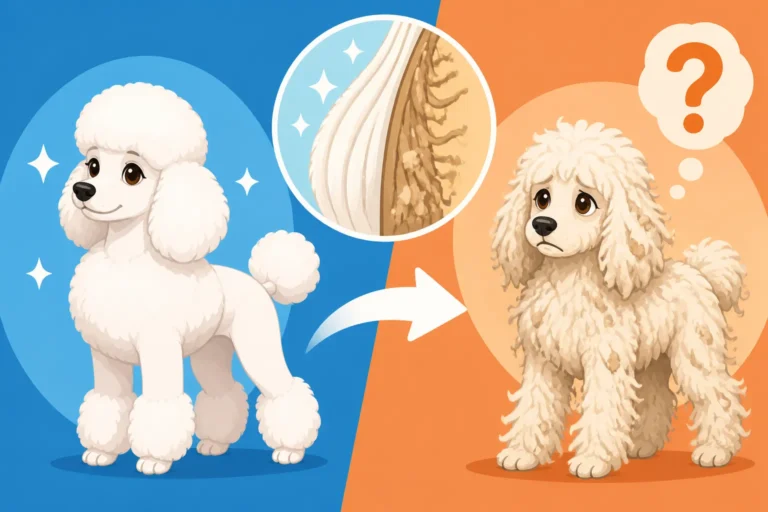
Unlike breeds with a double coat that shed their undercoat, Poodles have a single layer of continuously growing hair. This hair doesn't fall out in clumps or shed seasonally like fur. Instead, individual hairs eventually die and become entangled with the living hair, creating the perfect environment for mats to form. Think of it like a human head of very curly, thick hair that never gets brushed – it would quickly become a dreadlock. Your Poodle's coat is exactly like that. Every single strand that sheds (or rather, detaches from the follicle) gets caught within the curls of the surrounding hair. If these trapped hairs aren't mechanically brushed out, they start to felt together, tightening and pulling at the skin. This unique growth pattern is Why a Poodle Coat Mats Instead of Shedding so easily and why the shedding process is so often misunderstood.
The Dangers of Surface Brushing Alone
Many well-meaning Poodle owners fall into the trap of simply brushing the top layer of their dog's coat. The slicker brush glides over the visible curls, removing loose hairs from the surface, and the Poodle looks lovely and fluffy. You might even feel a sense of accomplishment, thinking you've done a thorough job. However, beneath that top layer, closer to the skin, those dead hairs are still accumulating, twisting into increasingly dense knots. These mats start small, often forming in areas of friction like armpits, behind the ears, or where a collar rubs. Over time, they grow, becoming dense, hard pads that pull at the skin, restricting movement, causing pain, and creating hotbeds for skin infections. It's a vicious cycle that can quickly escalate from a minor nuisance to a severe welfare issue requiring a complete shave-down by a professional groomer, often incurring significant surcharges. Surcharges Groomers Add for a Matted Poodle are a real consequence for coats that haven't been brushed to the skin.
Preventing Pain and Skin Issues
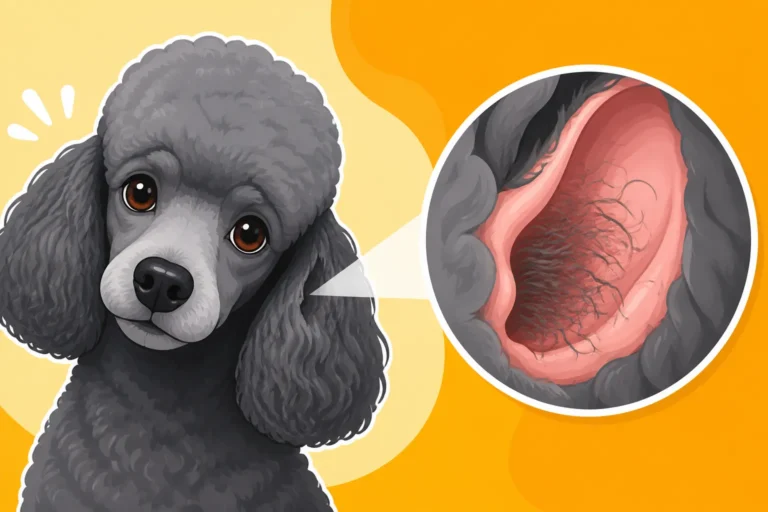
Mats are not just unsightly; they are genuinely painful. Imagine having your hair constantly tugged at, and then imagine that tugging getting tighter and tighter until patches of your scalp are being pulled in all directions. That's what a Poodle with severe mats experiences. These mats can restrict blood flow, cause bruising, and lead to serious skin infections because air can't circulate, and moisture can get trapped underneath. Furthermore, fleas, ticks, and other parasites can hide deep within these matted clumps, making detection and treatment incredibly difficult. By consistently brushing to the skin, you ensure that loose hair is removed, the skin can breathe, and you can easily inspect your Poodle's skin for any abnormalities, dryness, redness, or bumps. It's not just about aesthetics; it's fundamental to your Poodle's comfort and overall health.
Essential Tools for Reaching the Poodle's Skin
You wouldn't try to sculpt a masterpiece with a dull butter knife, right? The same logic applies to grooming your Poodle. Having the right tools isn't just a suggestion; it's a necessity for effective "brushing to the skin." Investing in quality grooming equipment will save you time, prevent frustration, and ensure your Poodle remains comfortable throughout the process. Forget those flimsy brushes you find at big-box stores; we're talking about tools designed to penetrate dense, curly coats without causing discomfort. Many of these essential tools can be found on sites like Chewy or Amazon.
The Mighty Slicker Brush
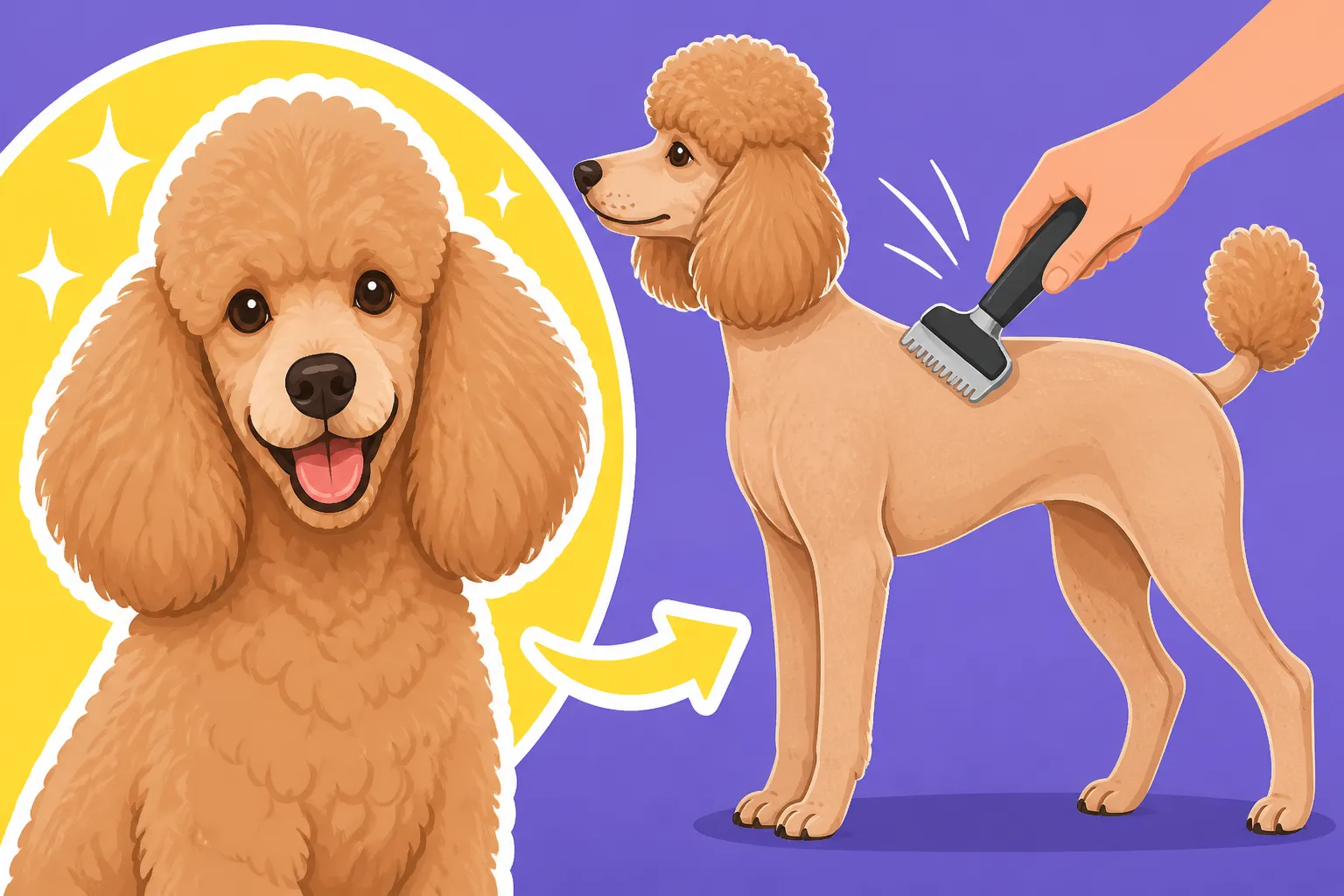
Your slicker brush is your primary weapon against mats. It's designed with fine, closely spaced wire pins, angled to grab and separate individual hairs. But not just any slicker will do. For a Poodle, especially a Standard Poodle with a thick coat, you'll need a large, firm slicker brush with a comfortable handle. The pins should be long enough to reach through the full depth of the coat to the skin. When choosing one, look for pins that have some flexibility but aren't so soft they bend out of shape on contact with a dense coat. Which Slicker Suits a Poodle Coat best depends on your Poodle's size and coat type. The purpose of the slicker is to separate the hairs, allowing your comb to then glide through freely. You'll be using it in short, controlled strokes, always aiming to brush outward from the skin.
The Indispensable Greyhound Comb
While the slicker brush does the heavy lifting of separating hairs, the metal greyhound comb is your ultimate validator. It's the tool that tells you if you've truly brushed to the skin. These combs typically have two sections: one with wider-spaced teeth and one with finer-spaced teeth. You should be able to smoothly run the fine-toothed side of the comb through any section of your Poodle's coat, from the skin all the way to the tip, without snagging. If the comb snags, even slightly, it means there's still a tangle or mat, and you need to go back with your slicker brush. Whether a Poodle Owner Needs a Greyhound Comb is not a question, it's a definite yes. It's the critical step that ensures no mat goes undetected. Always use the wider-toothed side first if you encounter resistance, then work your way to the finer teeth.
Detangling Sprays and Conditioners
For coats that are prone to static, dryness, or if you're working through a tricky spot, a good quality detangling spray or leave-in conditioner can be a lifesaver. These products help lubricate the hair strands, making them less prone to breakage and easier to separate. They can also help to prevent static, which can contribute to matting, especially in drier climates or during winter months. When using a detangling spray, mist the section of coat you're working on, focusing on the area where you suspect mats are forming. Don't drench the coat, but ensure it's slightly damp to allow the product to work its magic. Look for reputable brands available on Chewy or Amazon that are formulated for dogs, avoiding human products which can irritate their skin or be harmful if ingested. Detangling Spray for a Matted Poodle can make a significant difference in comfort for both you and your dog.
The Importance of a Sturdy Grooming Table
While not strictly a "brushing tool," a grooming table is an absolute game-changer for brushing a Poodle to the skin. It elevates your Poodle to a comfortable working height, saving your back and allowing you to see and reach every part of their body more easily. A stable, non-slip surface prevents your Poodle from fidgeting excessively or trying to jump down, which is crucial for their safety and your peace of mind. Many tables come with a grooming arm and loop, which gently secures your Poodle in place, freeing up both of your hands to work on their coat. This consistent setup also helps your Poodle understand that grooming time is a calm, focused activity. Grooming Tables Worth Buying for a Poodle often pay for themselves quickly in saved chiropractor visits and less frustrated grooming sessions.
Here's a quick comparison of these essential tools:
| Tool | Primary Function | How it helps with "Brushing to the Skin" | When to use it |
|---|---|---|---|
| Slicker Brush | Separates and straightens hair | Penetrates coat to lift dead hair, preventing mat formation | Initial brushing, working through small tangles |
| Greyhound Comb | Detects and confirms mat-free coat | Ensures hair is separated from skin to tip; finds hidden mats | After slicker brushing, as a final check |
| Detangling Spray | Lubricates and conditions hair | Reduces friction, makes tangles easier to work out, prevents static | On dry patches, before tackling minor mats, for conditioning |
| Grooming Table | Elevates & secures dog | Provides ergonomic working height, stabilizes dog for thorough work | For all substantial grooming sessions |
The Art of Line Brushing: A Step-by-Step Guide
Now that you have your tools ready, let's talk technique. "Brushing to the skin" isn't a mysterious art; it's a methodical process called line brushing. This technique ensures every single square inch of your Poodle's body is properly brushed, leaving no hidden mats behind. It takes patience and consistency, but once you master it, it becomes second nature, and your Poodle will thank you for it.
Setting Up for Success
Before you even pick up a brush, ensure both you and your Poodle are ready. Find a quiet, well-lit space where you won't be interrupted. If you have a grooming table, use it. Gather all your tools: slicker brush, comb, detangling spray, and some small, high-value treats (Ollie offers some great options that Poodles usually love!). Setting Up a Poodle Grooming Corner at Home is about creating a positive association. Start with short sessions, especially for puppies or new Poodles, gradually increasing the duration as they get more comfortable. It’s crucial to make this a calm, positive experience. Use a happy, reassuring voice and offer treats liberally for cooperation. This positive reinforcement is key to Teaching a Poodle to Hold Still on the Table.
Sectioning the Coat
This is the absolute core of line brushing. You cannot effectively brush to the skin if you try to tackle the entire coat at once. You need to divide your Poodle's coat into small, manageable sections. Start with a horizontal part, perhaps just a few inches wide, usually along the side of the body, or starting with a leg. Use one hand to hold the upper section of hair up and out of the way, exposing a clean "line" of skin and the roots of the hair beneath it. Imagine peeling back layers, one by one. The goal is to isolate a small enough section of hair that you can truly see the skin at its base. If the section is too wide, your brush won't penetrate properly.
Brushing Each Layer Thoroughly
Once you have your line of hair exposed, take your slicker brush. Start at the very bottom of that section, near the skin, and brush downwards and outwards, using short, gentle strokes. The key here is to feel the pins of the brush gently stimulating the skin. You're not scrubbing; you're stroking. Work your way across the entire length of that small section, ensuring every strand of hair is separated. Then, use your greyhound comb, starting with the wide-toothed side, and comb through the same section, from root to tip. If the comb glides smoothly, you're golden. If it snags, go back with your slicker brush, focusing on the tangled area, then re-comb until it's perfectly smooth. Only once that first section is completely brushed and combed do you drop a tiny bit more hair from the section you're holding up, creating a new line, and repeat the process. This method ensures that How to Line Brush a Poodle Properly truly removes all loose hair and prevents matting.
Common Pitfalls and How to Avoid Them
Even with the best intentions and the right tools, it's easy to make mistakes when grooming a Poodle. Understanding these common pitfalls can help you steer clear of them, making your grooming routine more effective and less stressful for both you and your canine companion. The Poodle's intelligent and sensitive nature means they pick up on frustration quickly, so patience is key.
Rushing the Process and Its Consequences
One of the biggest mistakes is trying to rush through a brushing session. A Poodle's coat is dense and intricate, and proper line brushing takes time. Trying to speed through it often results in skipping sections, only surface brushing, or worse, pulling at tangles impatiently, which can cause pain and create a negative association with grooming. If you're constantly finding The Spots Mats Form First on a Poodle like the armpits, behind the ears, or around the tail, it's a good indicator that you're likely rushing or missing those tricky areas. A rushed job is often an incomplete job, leaving hidden mats to grow. Instead of trying to do everything in one long session, break it down. Even 15-20 minutes of dedicated, thorough line brushing daily is more effective than an hour-long, once-a-week rushed job where you only tackle the easy parts. Remember, the goal is quality, not speed.
Missing Sensitive or Hard-to-Reach Areas
Poodles, being Poodles, often don't make it easy to brush every single spot. They might object to having their feet handled, their tail brushed, or their armpits exposed. However, these are precisely the areas where mats love to form due to friction and movement. Regularly Checking a Poodle's Armpits and Ears for Mats is crucial. Make a mental checklist of these common matting zones:
- Armpits: Constant movement and friction.
- Behind the ears: Often overlooked, and ear flaps can create tangles.
- Groin/belly: Soft, fine hair and often sensitive.
- Tail base and plume: Where the tail attaches to the body, and the full tail itself.
- Paws and between pads: Can collect debris and felt.
- Under the collar/harness: Constant rubbing.
- Face/Muzzle: If you keep this hair longer.
You need to teach your Poodle to tolerate handling in these areas from a young age. Work on touch desensitization even when you're not grooming, gently touching their paws, ears, and tail. When grooming, save the trickiest spots for when your Poodle is most relaxed, or break them down into even smaller, quicker sections with plenty of praise and treats.
Ignoring the Comb Check
As mentioned earlier, the greyhound comb is your truth-teller. Many owners slicker brush, see the fluffy coat, and assume they're done. They skip the comb check, and this is where disaster strikes. The slicker brush separates the hair, but the comb confirms that separation all the way to the skin. If your comb snags, no matter how minor, it means there’s a tangle that the slicker missed or couldn't fully untangle. Why Surface Brushing Leaves Poodle Mats is often because the comb check isn't being done meticulously. Start with the wide-toothed side, then move to the fine-toothed side. Only when the fine-toothed side glides through effortlessly from skin to tip, without any resistance, can you truly consider that section "brushed to the skin." Don't cheat on the comb check; it’s the most important step in mat prevention.
Making Grooming a Positive Experience for Your Poodle
Let's face it, for some Poodles, grooming can feel like a chore, or worse, a scary ordeal. But it doesn't have to be! Poodles are incredibly intelligent and sensitive dogs, and with the right approach, you can transform grooming from a dreaded task into a calm, even enjoyable bonding time for both of you. It's all about building trust, positive associations, and patience.
Starting Young and Gentle
The earlier you introduce grooming, the better. Poodle puppies are naturally curious and often more tolerant of new experiences. Start with very short, positive sessions. Just five minutes a day of gentle handling, touching their paws, ears, and tail, and briefly running a soft brush or comb through their coat, can make a huge difference. Pair these experiences with high-value treats and calm praise. Don't push them if they get overwhelmed; end the session on a positive note, even if it's just for a few seconds of cooperation. The goal isn't a perfectly brushed coat initially, but rather to build a foundation of trust and acceptance. Getting a Poodle Puppy Used to Being Handled from day one will set them up for a lifetime of comfortable grooming.
Using Positive Reinforcement and Treats
Poodles respond incredibly well to positive reinforcement. Every time your Poodle tolerates a brush stroke, holds still for a moment, or allows you to comb a section, reward them! Use their favorite treats (small, easy-to-chew bits work best, like those from Ollie), verbal praise, or a gentle scratch in their favorite spot. The key is to make grooming worth their while. If they associate the brush and comb with yummy treats and your happy voice, they'll be far more likely to cooperate. Keep a stash of treats right on your grooming table. If they become anxious or try to pull away, pause, calm them, and then try again with an easier section, immediately rewarding any effort. Never scold or punish during grooming; this will only create fear and resistance.
Building Trust and Patience
Grooming is a marathon, not a sprint, especially when you're trying to brush to the skin. Your Poodle needs to trust that you won't hurt them and that the experience will be gentle. If you encounter a tangle, don't yank! Gently work it out with your fingers, then your slicker brush, perhaps with a spritz of detangler. If your Poodle shows signs of discomfort (tensing, lip licking, pulling away), take a break. Sometimes, a short walk or a play session can help reset their mood before you try again. Remember that Poodles are highly attuned to your emotions; if you're stressed or frustrated, they will pick up on it. Staying calm and patient is vital for maintaining their trust. For particularly fearful Poodles, it might even be helpful to work with a professional positive reinforcement trainer who can offer specific strategies for desensitization and counter-conditioning to grooming tools and handling. Rebuilding Trust With a Frightened Poodle can take time, but it's worth every effort.
When to Seek Professional Help
While home grooming is essential for Poodle owners, there are times when a professional groomer is not just helpful but absolutely necessary. Understanding these situations can save your Poodle from unnecessary pain and your wallet from unexpected vet bills. It's about knowing your limits and prioritizing your dog's well-being.
Dealing with Severe Matting
Sometimes, despite your best efforts, or perhaps due to unforeseen circumstances like an illness that prevented regular grooming, your Poodle might develop severe matting. These aren't just small tangles; we're talking about dense, felted pads that cling tightly to the skin. Trying to brush out severe mats at home is often a painful, traumatic experience for your Poodle and can even lead to skin irritation, brush burn, or cuts if done improperly. In such cases, the kindest and safest approach is to take your Poodle to a professional groomer. They have specialized tools and techniques, and crucially, the experience to humanely remove these mats, often by shaving them out. Be prepared for a "shave-down" and potential extra fees, as dematting takes considerable time and skill. Why Groomers Refuse Severely Matted Poodles (or charge extra) is because it's a difficult, labor-intensive, and potentially risky process.
Identifying Skin Issues Under the Coat
The dense Poodle coat can be a great hiding place for skin problems. Redness, rashes, hot spots, lumps, or even parasites can go unnoticed until they become advanced. Regular brushing to the skin allows you to visually inspect your Poodle's skin and feel for any abnormalities. However, if you discover a persistent skin issue, unusual scabs, excessive dryness, or an itch that doesn't go away, a trip to the vet is in order. A professional groomer might be the first to spot something concerning during a routine appointment, but diagnosing and treating skin conditions falls under veterinary care. For example, Whether a Poodle's Itch Is Allergy or Adenitis requires a vet's diagnosis to determine the underlying cause and appropriate treatment plan. Do not try to self-diagnose or treat severe skin issues at home.
Regular Maintenance and Specialized Clips
Even if you're a diligent home groomer, a professional groomer offers invaluable services. They can provide a thorough bath and blow-dry, which can be challenging to do effectively at home, ensuring the coat is squeaky clean and dried straight for easier maintenance. They can also perform precise trims, especially for specialized clips like the Continental or even a simple pet clip that requires an even, polished look. What a Continental Poodle Clip Costs to Keep is an example of the specialized skills a professional offers. Moreover, groomers are experts in nail trims, ear cleaning, and expressing anal glands – tasks many owners find daunting. Regular professional grooms, even if you maintain the coat at home, can help keep your Poodle in top condition and catch issues you might miss. Think of your groomer as a partner in your Poodle's overall health and well-being.
Maintaining the "Brushed to the Skin" Habit
Consistency is the absolute bedrock of Poodle coat care. It's not a one-and-done kind of deal; it's an ongoing commitment. Establishing a routine and sticking to it will ensure your Poodle remains comfortable and mat-free, making grooming sessions less of a battle and more of a pleasant routine.
Establishing a Regular Brushing Routine
The frequency of brushing depends on several factors: your Poodle's coat type (some are denser or softer than others), their activity level, and the length of their coat. Generally, for a pet Poodle with a medium-length coat, aiming for 3-4 thorough line brushing sessions per week is a good starting point. For longer coats, or during the "coat change" phase of adolescence when the puppy coat transitions to the adult coat, daily brushing may be necessary. How Often a Poodle Must Be Brushed can also be influenced by humidity, swimming, or even car rides where friction occurs. Make it a habit – perhaps after their morning walk, or during your evening unwind time. Consistency prevents small tangles from becoming big mats, which saves you time and your Poodle discomfort in the long run.
Adapting to Coat Length and Lifestyle
Your Poodle's coat is dynamic, and your brushing routine needs to be too. If you prefer a longer, fuller coat, you will absolutely need to commit to daily, thorough line brushing. The longer the hair, the more prone it is to matting. On the other hand, a Poodle kept in a very short "kennel clip" or "sporting clip" still needs to be brushed to the skin, just perhaps not as frequently. Even short hair can mat, especially in friction areas. Also, consider your Poodle's lifestyle. A Poodle who swims frequently, rolls in the dirt, or plays rough with other dogs will accumulate tangles faster and require more diligent brushing immediately after these activities. Brushing a Poodle in a Short Clip is often underestimated by new owners who think a short clip eliminates all grooming needs. It certainly reduces the time needed, but not the necessity of brushing to the skin.
Seasonal Considerations for Poodle Coats
Just like human hair, a Poodle's coat can be affected by environmental factors. In dry winter months, static electricity can make the coat more prone to tangling and breakage. Using a detangling spray or a humidifier in your home can help. In warmer, humid weather, moisture can sometimes get trapped in a dense coat, especially if it's matted, leading to skin irritation. Regular, thorough brushing ensures air circulation and helps you identify any skin issues early. Furthermore, if your Poodle spends time outdoors in areas with burrs, seeds, or sticky plants, you'll need to be extra vigilant, brushing them out immediately to prevent these foreign objects from embedding and creating mats. By being aware of these seasonal changes, you can proactively adjust your grooming routine to keep your Poodle's coat in prime condition year-round.
Disclaimer
This article is for general informational purposes only and does not constitute professional advice. Laws, prices and regulations vary by location and change over time. Consult a qualified professional for guidance on your specific situation.