Poodles That Reach Eighteen
It's a dream every Poodle owner shares: watching our beloved companions gracefully transition through puppyhood, adulthood, and into their golden years, hoping against hope that they'll defy the odds and live to a ripe old age, perhaps even reaching that rare and cherished eighteen-year milestone. While every dog is an individual, and certainly some Poodles are luckier than others in the longevity department, there are very real factors within our control that can significantly influence whether our Poodles join the esteemed ranks of the truly long-lived. This guide is all about understanding those factors and giving your Poodle the very best chance to thrive into their senior years.
Understanding Poodle Lifespans by Size
When we talk about Poodle longevity, it's crucial to acknowledge that "Poodle" isn't just one size. The breed comes in three distinct varieties – Toy, Miniature, and Standard – and their size directly correlates with their typical lifespan. It's a general rule in the canine world that smaller dogs tend to live longer than larger ones, and Poodles are no exception.
General Expectations for Each Poodle Variety
Let's break down what you can generally expect for each Poodle size. These are averages, of course, and individual dogs will always surprise us on both ends of the spectrum. For more on this, you might find our article on Poodle Lifespan Across the Three Sizes quite insightful.
- Toy Poodles: These tiny dynamos often boast the longest lifespans within the breed, frequently living between 12 and 18 years. It's not uncommon to hear of Toy Poodles reaching 19 or even 20 years with exceptional care and a bit of luck. Their smaller size puts less strain on their joints and internal organs over time compared to their larger cousins, which is a significant advantage. However, even with their impressive longevity, Toy Poodles are not without their own specific health considerations, such as Toy Poodle Kneecaps and Windpipes. Early preventative care and careful management are key for these little ones.
- Miniature Poodles: Miniatures strike a happy medium, typically living 10 to 15 years, with many exceeding this range. They benefit from being smaller than Standards but often possess a sturdiness that sometimes eludes the more delicate Toys. Their size offers a good balance, making them less prone to certain large-breed issues while generally being robust in their own right. Regular exercise and a balanced diet are especially important for Miniature Poodles to maintain their ideal weight and support their active lifestyles as they age.
- Standard Poodles: The grandest of the Poodles, Standards generally have a lifespan of 10 to 13 years, though many healthy individuals live to 14 or 15 years. Being a larger breed, they are unfortunately more susceptible to certain conditions that can shorten life, such as bloat and certain cancers. However, a well-bred Standard Poodle from healthy lines, given proper nutrition and consistent veterinary care, can certainly enjoy a long and vibrant life. It’s important for owners of Standard Poodles to be particularly vigilant about signs of serious conditions like Bloat and the Deep Standard Poodle Chest.
Factors Influencing Longevity Beyond Size
While size is a strong indicator, it's far from the only factor. Your Poodle's individual journey to a long life is a complex tapestry woven from many threads.
- Genetics and Breeding: This is perhaps the most fundamental factor. A Poodle inherited from a reputable breeder who prioritizes health testing and carefully screens their breeding stock for genetic diseases is already ahead of the game. Dogs from lines known for longevity and a low incidence of inherited conditions are more likely to live longer themselves. This is why understanding What a Poodle Breeder Must Test For is so important.
- Diet and Nutrition: What you feed your Poodle throughout their life plays a huge role. A high-quality, balanced diet appropriate for their age, size, and activity level can prevent obesity, support organ function, and maintain a healthy immune system. As Poodles age, their nutritional needs change, often requiring fewer calories and more targeted nutrients to support joint health and cognitive function.
- Exercise and Mental Stimulation: Regular, appropriate exercise keeps a Poodle's body strong and agile, maintaining a healthy weight and promoting good cardiovascular health. Mental stimulation, through training, puzzle toys, and new experiences, keeps their sharp minds engaged, which is just as vital as physical activity for overall well-being and preventing cognitive decline.
- Veterinary Care and Preventive Measures: Consistent veterinary care from puppyhood through their senior years is non-negotiable. This includes vaccinations, parasite control, regular check-ups, and early detection of potential health issues. Timely intervention can often manage or even cure conditions that might otherwise shorten a Poodle's life. This becomes even more critical as they enter their later years, as we'll discuss in Caring for an Aging Poodle.
- Environmental Factors and Lifestyle: A safe, stimulating, and low-stress home environment contributes significantly to a Poodle's overall health and happiness. Access to clean water, protection from extreme weather, and a loving, consistent routine all play a part.
Common Health Challenges in Senior Poodles
As Poodles age, just like us, they become more susceptible to certain health conditions. Being aware of these common challenges is the first step in proactive care, allowing us to recognize symptoms early and seek timely veterinary intervention.
Arthritis and Mobility Issues
One of the most universal signs of aging in dogs is a decline in joint health, often leading to arthritis. This can manifest as stiffness, reluctance to jump, difficulty with stairs, or a general slowing down. While any Poodle can develop arthritis, larger Standards might show signs earlier due to their weight.
- Recognizing the Signs: You might notice your Poodle struggling to get up after a nap, seeming a bit "sore" after a walk, or perhaps they’re not as eager to chase a ball as they once were. They might also start lagging behind on walks, or hesitate before jumping onto the sofa. Sometimes, a Poodle will simply go quiet before it limps, a subtle sign of pain in a sensitive breed. It’s crucial not to dismiss these changes as "just old age" but rather to view them as indicators that your Poodle might be experiencing discomfort. Our comprehensive look at Arthritis in a Twelve-Year-Old Poodle provides more detailed insights into recognizing these subtle cues.
- Managing Discomfort: The good news is that much can be done to manage arthritis pain and improve your Poodle's quality of life. Your vet might prescribe non-steroidal anti-inflammatory drugs (NSAIDs) or other pain relievers. Supplements containing glucosamine, chondroitin, and omega-3 fatty acids can support joint health. Physical therapy, underwater treadmills, and even acupuncture are becoming increasingly popular and effective treatments. At home, simple changes like providing orthopedic beds, ramps for furniture or cars, and ensuring non-slip flooring can make a huge difference in their comfort and mobility.
Cognitive Decline and Sensory Loss
It's not just the body that ages; the mind does too. Many senior Poodles experience some form of cognitive dysfunction, often referred to as "doggy dementia." Alongside this, their senses, particularly sight and hearing, may begin to fade.
- Signs of Cognitive Dysfunction: Keep an eye out for disorientation (getting "stuck" in corners, staring blankly), changes in sleep-wake cycles (waking up confused in the middle of the night), altered interactions (less responsive to their name, increased irritability), and house-soiling accidents in an otherwise perfectly trained dog. It can be heartbreaking to see your sharp, intelligent Poodle seemingly "lose" themselves. For a deeper dive into this, consider reading Cognitive Decline in an Old Poodle.
- Supporting Sensory and Cognitive Health: For cognitive decline, your vet might suggest a prescription diet formulated for brain health, often rich in antioxidants and omega-3 fatty acids, or medications to help manage symptoms. Maintaining a consistent routine, keeping their environment predictable, and continuing gentle mental stimulation with familiar puzzle toys can help. For sensory loss, adapt your communication: use hand signals if hearing fades, or ensure clear pathways if vision diminishes. Our article on Home Care for a Poodle in Cognitive Decline offers practical tips for creating a supportive environment.
Organ Function Decline and Disease
Aging can also take a toll on internal organs, leading to conditions affecting the kidneys, liver, heart, and increasing the risk of various cancers.
- Kidney and Liver Disease: These are common in older dogs. Symptoms can be subtle initially, like increased thirst and urination, decreased appetite, or lethargy. Regular senior blood panels are crucial for early detection. Many veterinary practices offer comprehensive panels that screen for these issues, allowing for dietary changes or medications to slow progression.
- Heart Conditions: As Poodles age, they can develop heart murmurs or other cardiac issues. You might notice coughing, reduced stamina, or difficulty breathing. A vet can diagnose heart problems with a stethoscope, X-rays, or an ultrasound, and medication can often help manage symptoms and improve heart function for many years.
- Cancer: Unfortunately, cancer is a leading cause of death in older dogs. Any new lump, persistent lameness, unexplained weight loss, or changes in eating habits should prompt an immediate vet visit. Early detection is vital for successful treatment.
- Other Age-Related Conditions: Poodles can also face a resurgence or worsening of breed-specific conditions. For example, Thyroid Disease in Poodles can become more pronounced, or even emerge in later years. Older Standard Poodles might still be at risk for a life-threatening episode of bloat, and management of conditions like Addison's Disease in Standard Poodles often requires careful adjustment as the dog ages and their body's needs change. Regular dental care is also paramount, as severe Poodle Dental Disease by Size can lead to systemic health problems affecting vital organs.
Here's a quick summary table of common age-related health issues:
| Age-Related Condition | Common Signs | Management Strategies |
|---|---|---|
| Arthritis/Mobility | Stiffness, reluctance to jump, lameness, slowness | NSAIDs, joint supplements, ramps, orthopedic beds, physical therapy |
| Cognitive Decline | Disorientation, altered sleep, house-soiling, anxiety | Prescription diets, medication, consistent routine, mental games |
| Sensory Loss (Sight/Hearing) | Bumping into things, ignoring commands, startled easily | Clear pathways, hand signals, consistent vocal cues |
| Kidney/Liver Disease | Increased thirst/urination, appetite changes, lethargy | Special prescription diets, fluid therapy, medications |
| Heart Disease | Coughing, reduced stamina, difficulty breathing, fainting | Medications (diuretics, ACE inhibitors), controlled exercise |
| Cancer | New lumps, unexplained weight loss, persistent lameness | Surgery, chemotherapy, radiation (early detection is key) |
| Dental Disease | Bad breath, difficulty eating, pawing at mouth | Regular dental cleanings, tooth extractions, oral hygiene |
Strategies for Extending a Poodle's Healthy Years
Reaching eighteen isn't just about luck; it's about a consistent, dedicated approach to your Poodle's well-being throughout their life, with special attention as they enter their senior years. Think of it as investing in their future health, day by day.
Proactive Veterinary Care and Screenings
This cannot be stressed enough. Regular vet visits are your most powerful tool in maximizing your Poodle's lifespan.
- The Importance of Biannual Check-ups: For senior Poodles, an annual vet visit often isn't enough. Many vets recommend check-ups every six months. This allows for earlier detection of subtle changes that might indicate an emerging health issue. Remember, Poodles are inherently sensitive and often stoic, meaning they can be good at hiding discomfort. A vet who knows your Poodle well can often pick up on small signs that you might miss.
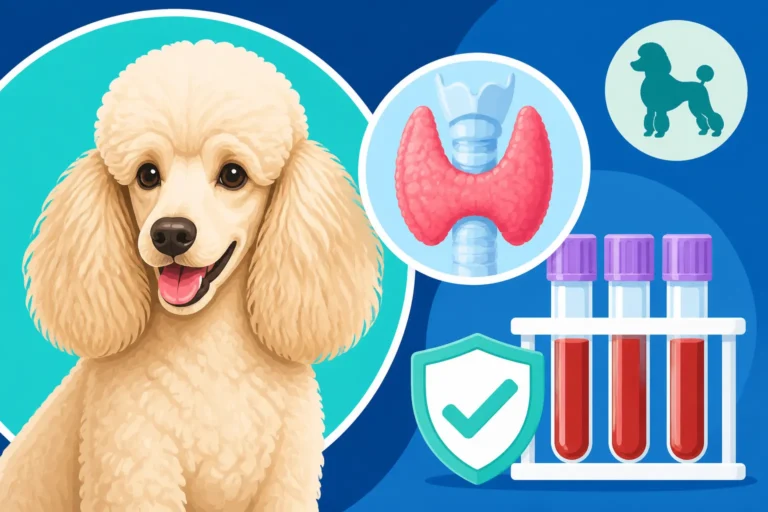
- Routine Bloodwork and Urinalysis: These diagnostic tools are invaluable for internal organ monitoring. Regular senior panels can reveal changes in kidney or liver function, thyroid levels, or blood cell counts long before your Poodle shows obvious symptoms. For instance, testing for Hypothyroid Symptoms in a Poodle can catch an issue that, if untreated, impacts their metabolism and overall health. Early detection often means that management can begin when the condition is mild, leading to a much better prognosis and quality of life.
- Comprehensive Dental Care: As discussed, dental health is critical. Small Poodles are particularly prone to early tooth loss and severe periodontal disease. Regular professional dental cleanings under anesthesia, often annually for seniors, can prevent pain, infection, and the spread of bacteria to vital organs. Between cleanings, brushing your Poodle's teeth daily, if possible, is incredibly beneficial. The article Poodle Dental Disease by Size expands on the specific challenges faced by different Poodle varieties.
- Specialized Screenings: Depending on your Poodle's size and genetic history, your vet might recommend specific screenings like X-rays to check for arthritis, an eye exam to look for cataracts or progressive retinal atrophy (especially important for breeds prone to conditions like Progressive Retinal Atrophy in Miniature Poodles), or a cardiac work-up if a heart murmur is detected.
Tailored Nutrition and Weight Management
What and how you feed your aging Poodle needs careful consideration. Their metabolism slows, their activity level might decrease, and their body's ability to process nutrients can change.
- Switching to a Senior Diet: As your Poodle moves into their senior years, typically around 7-8 for Standards and 9-10 for Toys/Miniatures, consult your vet about transitioning to a high-quality senior dog food. These formulas are often lower in calories, higher in fiber, and contain beneficial ingredients like omega fatty acids, glucosamine, and chondroitin to support joint and brain health. They might also have adjusted protein and phosphorus levels to support kidney function.
- Portion Control is Paramount: It’s incredibly easy for senior Poodles to pack on extra pounds, especially if their activity levels have decreased. Poodle Obesity and Its Consequences are serious, leading to increased strain on joints, heart, and other organs, directly shortening their healthy lifespan. Accurately measure their food portions and adjust them based on their weight and activity level. If your Poodle seems hungry on reduced portions, try adding green beans or other low-calorie vegetables to their meals.
- Hydration and Accessible Water: Ensure your senior Poodle always has access to fresh water. Sometimes, elevated bowls can make drinking more comfortable for those with arthritis. Increased thirst can be a sign of underlying health issues, so keep an eye on their water intake.
- Treats in Moderation: Treats are lovely for bonding and training, but they contribute to daily calorie intake. Opt for low-calorie options and factor them into your Poodle's daily food allowance.
Maintaining Mental and Physical Activity
Just because your Poodle is getting older doesn't mean they should become a couch potato. Appropriate exercise and mental engagement are crucial for physical and cognitive health.
- Gentle, Consistent Exercise: The goal shifts from high-impact exertion to consistent, gentle movement. Short, frequent walks are often better than one long, strenuous outing. Swimming can be an excellent low-impact exercise for Poodles with arthritis. Pay attention to your Poodle's cues and don't push them past their comfort level. Even a short stroll around the block can do wonders for their circulation, muscle tone, and mood.
- Mental Stimulation: Poodles are renowned for their intelligence, and their minds need to be kept active, even in old age. Puzzle toys, KONGs stuffed with healthy treats, scent games, and practicing familiar tricks can all provide valuable mental exercise. You might even teach them new, simple cues or review old ones. Engaging their brains can help stave off cognitive decline and keep them feeling purposeful. Explore ideas in Whether a Poodle Can Learn Object Names for inspiration.
- Social Interaction: Continue to provide opportunities for positive social interaction with familiar people and calm, friendly dogs. This helps maintain their social skills and prevents isolation, which can contribute to depression or anxiety in older dogs.
Creating a Supportive Home Environment
Your home environment can be tailored to support your senior Poodle's comfort, safety, and overall well-being.
- Comfort and Accessibility: Provide soft, orthopedic beds in easily accessible, draft-free locations. Use ramps or steps to help them access furniture they still enjoy, or to get in and out of the car, reducing strain on their joints. Place non-slip mats or rugs on slippery floors to prevent falls, which can be devastating for an older dog.
- Temperature Regulation: Older Poodles, especially those with shorter clips, might be more sensitive to temperature extremes. Provide sweaters or coats in colder weather and ensure they have access to cool, shaded areas in the summer.
- Consistent Routine: A predictable daily routine can be very comforting for senior Poodles, particularly those experiencing cognitive decline or sensory loss. Knowing when to expect meals, walks, and bedtime reduces anxiety and helps them navigate their world more easily.
- Love and Patience: Above all, an aging Poodle needs your unwavering love, patience, and understanding. They may not be as quick or playful as they once were, but their capacity for companionship remains. Extra cuddles, gentle grooming, and simply being present can make a profound difference to their quality of life.
The Role of Genetics and Responsible Breeding
While daily care is vital, the foundation for a long, healthy life is often laid before your Poodle even comes home. Genetics play an undeniable, pivotal role in a Poodle's potential lifespan and susceptibility to various health issues.
Inherited Health Conditions and Testing
Reputable breeders are not just concerned with pretty faces; they are deeply committed to the health and longevity of their lines. This involves understanding and testing for inherited conditions.
- Common Inherited Conditions: Poodles, like all purebreds, have predispositions to certain genetic health problems. These can include Addison's Disease in Standard Poodles, Sebaceous Adenitis, various eye conditions like Progressive Retinal Atrophy, certain heart conditions, and orthopedic issues such as Poodle Hip Dysplasia by Size or Luxating Patella in Toy and Miniature Poodles. While not every Poodle will develop these, responsible breeders work tirelessly to reduce their incidence.
- The Power of Health Testing: This is where reputable breeders truly shine. They perform specific health screenings on their breeding stock to ensure they are not passing on genetic diseases to their puppies. For example, hips and elbows are often scored, eyes are certified clear by an ophthalmologist, and DNA tests are conducted for conditions like Progressive Retinal Atrophy (PRA) and Von Willebrand's Disease. These tests provide crucial information about the genetic health of the parents, allowing breeders to make informed decisions about pairings that will produce the healthiest puppies possible. The article What Testing a Poodle for PRA and vWD Costs provides more detail on these specific screenings.
- Transparency and Guarantees: A responsible breeder will be completely transparent about the health testing they conduct and will gladly share results with prospective puppy buyers. They often provide health guarantees for their puppies against specific inherited conditions, reflecting their confidence in their breeding program. This commitment drastically increases the chances of your Poodle starting life with a strong genetic foundation for longevity.
The Impact of a Reputable Breeder
Choosing a breeder isn't just about finding a puppy; it's about finding a partner in your Poodle's lifelong health journey.
- Investing in Longevity: When you acquire a Poodle from a breeder who meticulously tests their breeding dogs and traces their lines for health and longevity, you are investing in a healthier, potentially longer-lived companion. While a puppy from such a breeder may have a higher initial cost, it often saves significantly on vet bills down the line and, more importantly, spares you and your Poodle from heartache.
- Guidance and Support: A good breeder remains a resource for the lifetime of your Poodle. They are often incredibly knowledgeable about Poodle health, temperament, and care, and can offer invaluable advice as your Poodle grows and ages. They care deeply about the welfare of the dogs they produce and want to see them thrive.
- The Big Picture: The goal is not just to have a Poodle for 18 years, but for those 18 years to be filled with health, joy, and vitality. The collective efforts of responsible breeders over generations have shaped the Poodle into the incredible companion we know today, and their continued dedication is what gives us the best hope for our Poodles to reach impressive ages. When considering financial planning for unexpected health issues in older age, looking into pet insurance providers like Healthy Paws, who offer comprehensive coverage, can provide significant peace of mind. They can help cover a large percentage of vet bills for accidents and illnesses, which can be substantial in a senior Poodle. Knowing that companies like Healthy Paws are there can make a big difference in being able to afford advanced care for your beloved Poodle.
Disclaimer
This article is for general informational purposes only and does not constitute professional advice. Laws, prices and regulations vary by location and change over time. Consult a qualified professional for guidance on your specific situation.