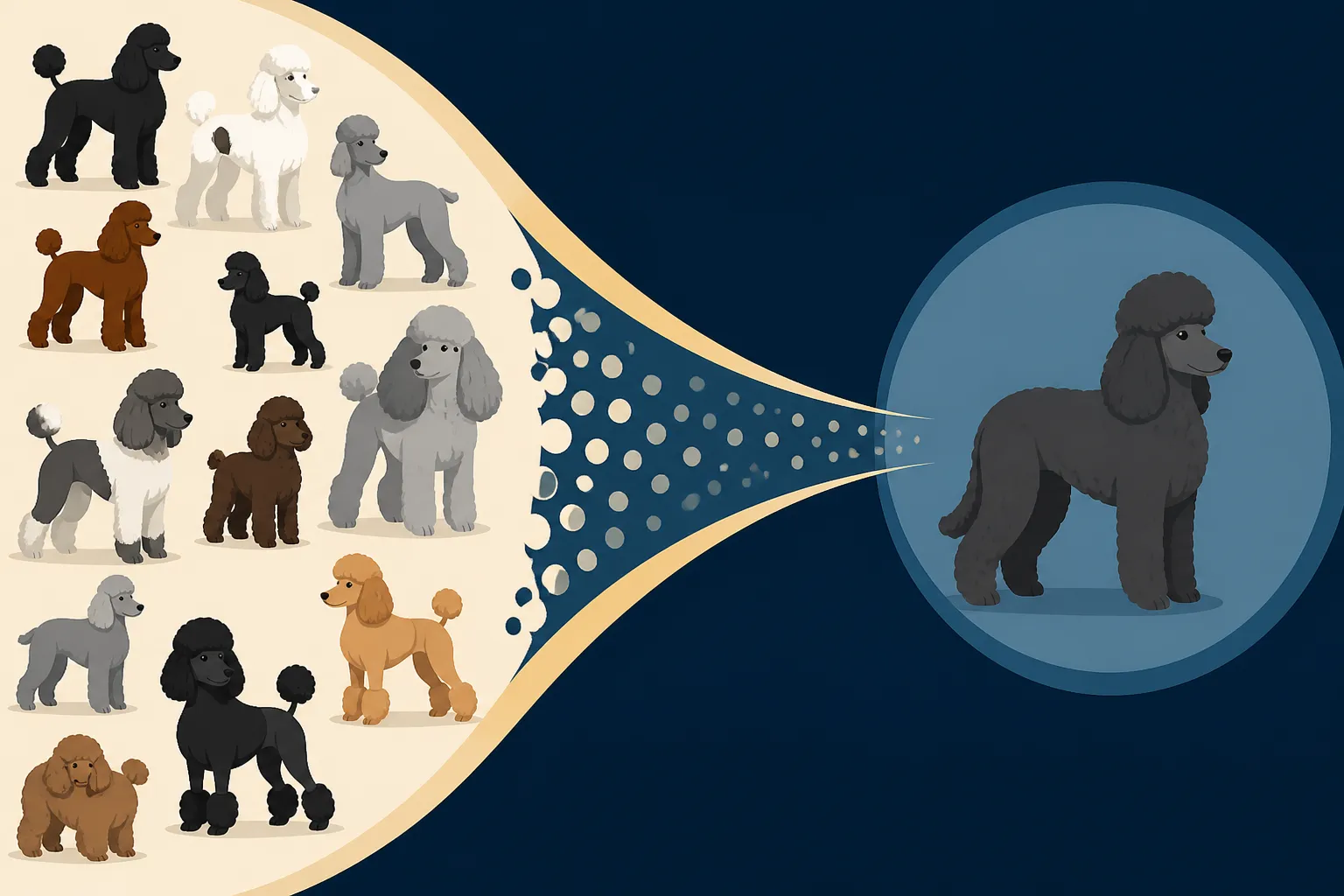
Why the Standard Poodle Gene Pool Narrowed
The intelligence, grace, and unique personality of a Standard Poodle are truly captivating, making them cherished family members for so many of us. However, behind that elegant facade, there's a growing concern among breeders and owners alike: the increasingly narrow gene pool that affects this magnificent breed. This guide will delve deeply into why the Standard Poodle's genetic diversity has shrunk over time, exploring the historical choices and breeding practices that led to this situation, and most importantly, what it means for their health and future.
The Historical Path to a Restricted Gene Pool
To understand why the Standard Poodle's gene pool has become so limited, we need to journey back in time and trace the breed's evolution. Originally robust waterfowl retrievers, Poodles were bred for their working ability – intelligence, swimming prowess, and a coat that protected them from icy waters. Over centuries, as dog breeding became more formalized and less about purely utilitarian roles, certain characteristics began to be prioritized, sometimes at the expense of overall genetic health.
From Working Dog to Conformation Show Star
The Poodle, particularly the Standard size, started as a powerful and agile working dog, prized by hunters across Europe for its ability to retrieve ducks and other game from the water. Their distinctive coat, which could be clipped in specific ways to protect vital organs while allowing for freedom of movement, was a testament to their function. As time progressed and hunting with dogs became less widespread for the general populace, the Poodle's role shifted. They became companions to nobility, performers in circuses, and, eventually, stars of the burgeoning dog show scene.
This transition into the conformation ring, while elevating the Poodle's status and popularity, also began to subtly alter breeding priorities. Breeders started to focus intensely on aesthetic traits: precise proportions, an elegant gait, specific coat textures, and head shapes that conformed to a written "standard." This wasn't inherently bad, but when the pool of desired traits became very narrow, and the dogs exhibiting those traits were heavily bred, it naturally led to a reduction in the overall genetic variety across the breed. The emphasis slowly moved from "can this dog perform its original job?" to "does this dog look exactly as the standard dictates?"
The "Popular Sire" Phenomenon and Its Genetic Cost
One of the most significant factors contributing to the narrowing of the Standard Poodle gene pool is what's known as the "popular sire" effect. Imagine a male Standard Poodle who wins consistently in the show ring, achieves champion titles with ease, and is praised for embodying the breed standard perfectly. Naturally, every breeder wants to incorporate those "winning" genes into their lines. This dog becomes incredibly popular, siring litter after litter, sometimes dozens or even hundreds of puppies across various kennels.
While this might seem like a shortcut to producing more high-quality show dogs, it has a profound and often devastating genetic consequence. If that popular sire, despite his outward perfection, carries a hidden recessive gene for a debilitating disease, or if he has a predisposition to certain health issues, those genes are rapidly spread throughout the breed. His offspring, and their offspring, now share a much higher percentage of his genetic material, including the good and the bad. If another popular sire from a few generations later is also distantly related to the first, and he also becomes popular, the degree of relatedness across the entire breed spirals. This significantly increases the chances of two carriers of a recessive disease gene being bred together, leading to affected puppies. It's a classic case where short-term success in the show ring can lead to long-term genetic vulnerability for the entire breed.
Conformation Standards and Genetic Bottlenecks
The very structure of breed preservation, through established conformation standards and kennel club registration, while crucial for maintaining breed identity, can paradoxically contribute to genetic bottlenecks. Breeders strive to produce dogs that perfectly match the written standard, and often, the interpretation of that standard can become quite specific and inflexible.
Prioritizing Appearance Over Health
When the focus of breeding is heavily skewed towards achieving specific physical characteristics for the show ring, other vital aspects, like robust health and genetic diversity, can inadvertently take a backseat. Breeders might unknowingly perpetuate lines that excel in appearance but carry increased risks for certain health conditions. For example, if a particular head shape or topline is highly rewarded in competition, breeders might keep breeding dogs with those features, even if that line has a higher incidence of, say, Addison's Disease in Standard Poodles. The pressure to win can be immense, and it requires incredible discipline and commitment for breeders to prioritize the long-term health of the breed over the immediate gratification of a ribbon.
This isn't to say that show breeders don't care about health; most certainly do. However, the system itself can create a bias. It takes time, money, and dedication to perform extensive health testing, track long-term health outcomes of progeny, and make difficult breeding choices that might mean stepping away from a currently "winning" dog or line. Furthermore, some genetic conditions may not manifest until later in life, making it challenging to identify affected lines until they've already contributed significantly to the gene pool.
Closed Studbooks and Limited Options
Most established purebred dog breeds operate with "closed studbooks," meaning that only dogs registered as Poodles from other registered Poodles can be entered into the breed's registry. While this ensures breed purity and predictability, it also means that no new genetic material from outside the existing Poodle population can be introduced. For a breed with a long history and a relatively small founding population, this inevitably leads to an increase in the "coefficient of inbreeding" (COI) over generations.
Think of it like a family tree that, instead of branching out widely, keeps folding back in on itself. Over time, all members of the breed become distantly related, even if they share no immediate common ancestors. This can make it incredibly difficult to find truly "unrelated" breeding pairs, especially in geographically isolated regions or when certain lines dominate. The lack of fresh genetic input prevents the introduction of new alleles that could boost immune system strength, resistance to disease, or overall vigor, leaving the breed vulnerable to genetic conditions that become increasingly common because there's nowhere else for breeders to turn for truly diverse genetics. This is particularly relevant when discussing Why the Standard Poodle Gene Pool Narrowed compared to other breeds.
The Health Fallout: Common Genetic Conditions
A narrow gene pool has tangible, and often heartbreaking, consequences for the health of individual Standard Poodles. When genetic diversity is low, recessive genes for various diseases become more prevalent, and the overall genetic resilience of the breed can be compromised. This is a critical area where prospective and current owners need to be well-informed.
Autoimmune Ailments on the Rise
Standard Poodles are disproportionately affected by certain autoimmune diseases, a direct consequence of a restricted gene pool and the unfortunate spread of specific genetic predispositions. Two of the most prominent examples are Addison's Disease and Sebaceous Adenitis.
- Addison's Disease: This condition, also known as hypoadrenocorticism, affects the adrenal glands' ability to produce crucial hormones. Symptoms can be vague and mimic other illnesses, earning Addison's the nickname "the great pretender." Dogs can experience lethargy, vomiting, diarrhea, weight loss, and even life-threatening adrenal crises. Research has strongly indicated a genetic component in Standard Poodles, suggesting that certain lines carry genes that make them more susceptible. The limited gene pool means these genes are more widespread, increasing the likelihood of affected dogs. Understanding the First Signs of Addison's in a Poodle is crucial for early intervention.
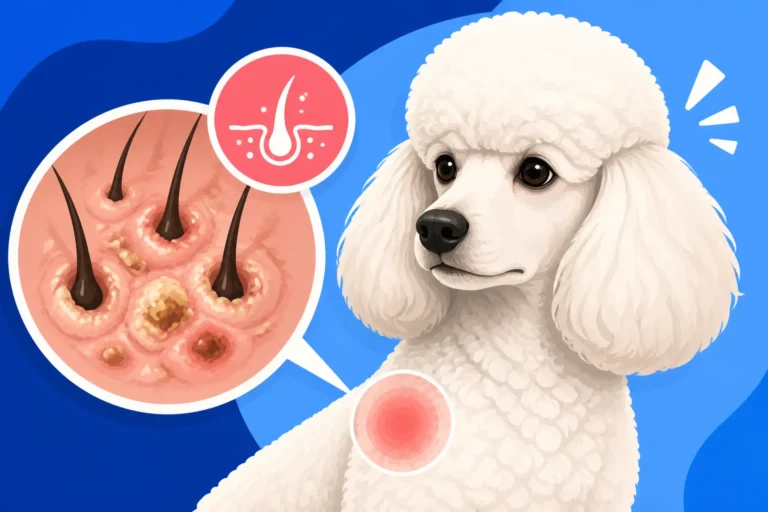
- Sebaceous Adenitis (SA): This is another autoimmune skin condition where the immune system attacks and destroys the sebaceous glands, which are responsible for producing the natural oils that keep the skin and coat healthy. Symptoms include dry, scaly skin, hair loss (especially along the back and topknot), a dull coat, and sometimes secondary skin infections. SA can be frustratingly difficult to manage and significantly impacts a Poodle's quality of life and appearance. Like Addison's, its prevalence in Standard Poodles points to a genetic predisposition exacerbated by reduced genetic diversity. You might notice Early Sebaceous Adenitis on a Poodle's Topknot as one of the first indicators.
These autoimmune issues highlight a broader concern: when the gene pool is narrow, the genes controlling the immune system itself can become less diverse, making the breed more prone to misguided immune responses. It's truly disheartening to realize that Why Standard Poodles Carry Two Autoimmune Diseases might be linked to this very issue. Even with the best veterinary care, these conditions can be lifelong and costly to manage, which is why many Poodle owners consider pet insurance plans, such as those offered by Healthy Paws, to help alleviate the financial burden of chronic conditions.
Other Hereditary Health Challenges
Beyond autoimmune diseases, a narrow gene pool can also increase the prevalence of other hereditary health concerns within the Standard Poodle population.
- Bloat (Gastric Dilatation-Volvulus – GDV): While not strictly a genetic disease in the same way Addison's or SA are, there's a strong consensus that certain breeds, including Standard Poodles with their deep chests, are predisposed to bloat. Genetic factors related to conformation and gastric motility may play a role, and a limited gene pool could inadvertently concentrate these predisposing traits. Bloat is a life-threatening emergency where the stomach twists, cutting off blood supply. It's one of the most terrifying emergencies a Standard Poodle owner can face, and knowing the Bloat Symptoms in a Standard Poodle is vital.
- Certain Cancers: Poodles, like many purebred dogs, can be prone to various cancers. While cancer is complex and multifactorial, a restricted gene pool can contribute by increasing the frequency of specific cancer-susceptibility genes within the population. If a particular line has a predisposition to a certain type of cancer, and that line becomes widespread, the overall breed risk increases.
- Orthopedic Issues: While less common than in some other large breeds, Standard Poodles can still be affected by hip dysplasia and elbow dysplasia. Again, these are polygenic conditions (influenced by multiple genes), and a lack of genetic diversity can make it harder to breed away from these predispositions, even with rigorous screening. This is why it's so important to know What a Poodle Breeder Must Test For and review things like OFA results.
The cumulative effect of these potential health issues is a stark reminder of the importance of genetic diversity. It illustrates Why Poodle Health Splits by Size, as different sizes have different predispositions, sometimes due to distinct genetic histories within each variety.
| Common Standard Poodle Health Concerns Linked to Narrow Gene Pool | Primary Impact | Management & Prevention |
|---|---|---|
| Addison's Disease (Hypoadrenocorticism) | Hormonal imbalance, adrenal crisis | Lifelong medication, stress management, regular vet checks |
| Sebaceous Adenitis (SA) | Skin & coat health, secondary infections | Specialized grooming, medication, skin treatments |
| Bloat (Gastric Dilatation-Volvulus – GDV) | Life-threatening gastric emergency | Prophylactic gastropexy, slow feeding, watchful waiting |
| Certain Cancers | Tumors, organ failure | Early detection, treatment (surgery, chemo, radiation) |
| Hip/Elbow Dysplasia | Joint pain, arthritis | Responsible breeding, weight management, joint supplements |
Calculating Risk: Understanding Inbreeding Coefficients
For conscientious breeders and informed puppy buyers, understanding the concept of an inbreeding coefficient (COI) is absolutely crucial. It's a numerical way to quantify the degree of inbreeding in an individual dog's pedigree, offering a powerful tool to assess genetic diversity and potential health risks.
What a High COI Means for Your Poodle
The inbreeding coefficient (COI) represents the probability that two alleles (forms of a gene) at any given locus (position on a chromosome) are identical by descent; in simpler terms, it estimates the percentage of a dog's genes that are identical because they were inherited from a common ancestor on both sides of the pedigree. A COI of 0% means the dog has no common ancestors in the traced pedigree, while a COI of 25% (like that of a puppy from a full sibling mating) indicates a significant amount of shared genetic material.
So, what does a high COI mean for your Poodle?
- Increased Risk of Recessive Diseases: This is the most direct consequence. If a dog has a high COI, it means there's a greater chance that it will inherit two copies of the same recessive gene from a shared ancestor. If that recessive gene is for a harmful condition (like those discussed earlier), the dog is at a much higher risk of developing that disease.
- Reduced Immune System Vigor: High inbreeding can lead to a phenomenon known as "inbreeding depression," which can manifest as a general decline in health and vitality. One of the most significant impacts is on the immune system. A less diverse set of immune genes can make a Poodle less capable of fighting off common infections or more prone to allergies and autoimmune conditions. This contributes to What Inbreeding Did to Standard Poodle Immunity.
- Lower Fertility and Shorter Lifespan: In severe cases of inbreeding depression, dogs may experience reduced fertility, smaller litter sizes, and a generally shorter lifespan. While reputable breeders aim to avoid such extremes, even moderately high COIs can subtly impact overall vigor.
Organizations like the Orthopedic Foundation for Animals (OFA) and various breed clubs often provide resources to calculate COIs, and responsible breeders are typically transparent about the COIs of their breeding dogs and planned litters. Many geneticists recommend aiming for COIs below 10%, or even lower, over 10 generations to maintain healthy genetic diversity. It truly highlights Whether a Coefficient of Inbreeding Matters in Poodles for the long-term health of the breed.
The Role of Genetic Panels and Testing
Thankfully, scientific advancements are providing powerful tools to help breeders make more informed decisions and mitigate the risks associated with a narrow gene pool. Genetic panels and DNA testing have revolutionized our ability to identify carriers of specific diseases before they are bred.
Instead of waiting for a disease to manifest, breeders can now send a simple cheek swab or blood sample to specialized laboratories that will screen for known genetic mutations linked to various conditions. For Standard Poodles, these tests might include screening for von Willebrand's Disease (a bleeding disorder), Neonatal Encephalopathy (a neurological condition), and certain eye conditions. While there isn't a single definitive test for complex polygenic conditions like Addison's or SA, ongoing research continues to uncover genetic markers that can help breeders make better choices.
The results of these genetic panels allow breeders to:
- Avoid "Double-Up" Matings: They can ensure that two dogs who are both carriers of the same recessive disease gene are not bred together, thus preventing the birth of affected puppies.
- Make Informed Decisions About Carrier Dogs: A carrier dog (one that carries a single copy of a recessive gene but doesn't have the disease itself) might still be a valuable part of a breeding program if they possess other excellent qualities, provided they are only bred to a clear (non-carrier) mate. This allows for the responsible preservation of desirable traits while carefully managing genetic risks.
- Monitor Overall Breed Health Trends: Aggregate data from widespread genetic testing can help breed clubs and researchers identify emerging health concerns or track the prevalence of known genetic issues within the population, guiding future breeding strategies.
The availability of comprehensive Genetic Panels for the Three Poodle Sizes is an invaluable resource. When seeking a puppy, always ask the breeder about the specific health tests they perform on their breeding dogs and be prepared to review the results. A good breeder will be open and honest about any carrier statuses in their lines and explain how they manage those risks responsibly. This proactivity, alongside a solid pet insurance plan from a company like Healthy Paws, forms a powerful safeguard for your Poodle's well-being.
Hope for the Future: Efforts to Broaden the Gene Pool
The good news is that many dedicated and responsible Poodle breeders, breed clubs, and geneticists are acutely aware of the challenges posed by a narrow gene pool and are actively working to address them. Their efforts are crucial for securing the long-term health and vitality of the Standard Poodle.
Strategic Outcrossing and Open Pedigrees
One of the most impactful strategies for broadening a narrow gene pool is strategic outcrossing. This involves carefully introducing genetic material from unrelated lines or, in some rare and highly controlled cases, from other breeds, to bring in fresh diversity.
- Outcrossing within the Poodle Breed: This usually means breeders actively seeking out Poodles from very different geographic regions or ancestral lines that have not shared common ancestors for many generations. This can be challenging in a globalized dog breeding world, but it's a vital part of increasing heterozygosity (genetic variation) within the existing breed. The goal isn't to change the Poodle's essential type but to infuse new immune system genes and reduce the prevalence of specific disease-causing alleles. Some efforts have been made, for instance, to introduce European lines into North American lines where the historical popularity of certain sires might have differed.
- Limited Outcrossing to Other Breeds (Extremely Rare & Controversial): In cases of critically low genetic diversity and widespread health issues, some breed clubs have explored carefully managed outcrossing programs to other closely related breeds. For example, the Dalmatian breed underwent an outcross program to a Pointer to reintroduce a gene for normal uric acid metabolism. While highly controversial within purebred circles, such programs are done with meticulous planning, strict controls, and with the ultimate aim of improving the health and genetic diversity of the core breed, with progeny being bred back to type over many generations. The question of Whether Outcrossing Helped Standard Poodle Health is a complex one, but it is a tool in the geneticist's arsenal.
These programs are not undertaken lightly and require immense commitment, patience, and a willingness to look beyond immediate show ring success in favor of the breed's long-term health. The initial outcrossed dogs may not perfectly conform to the standard, but their value lies in the genetic diversity they introduce.
Supporting Responsible Breeders
As prospective or current Poodle owners, our choices significantly impact the future health of the breed. Supporting responsible breeders who prioritize genetic diversity and health is paramount. What does this look like?
- Transparency and Testing: A truly responsible breeder will be open about the health testing performed on their breeding stock. They should readily provide copies of health clearances (OFA for hips/elbows, CERF for eyes, thyroid panels, DNA tests for genetic diseases specific to Poodles). They should also be able to discuss the COIs of their breeding dogs and projected litters.
- Long-Term Commitment: Responsible breeders are invested in the puppies they produce for their entire lives. They will ask you many questions about your lifestyle and commitment, and they will be available to answer your questions and provide support for years to come. They're not just selling a puppy; they're placing a beloved family member.
- Focus on Health and Temperament: While conformation to the breed standard is important, a good breeder understands that health and temperament are non-negotiable foundations. They breed for sound bodies and minds, knowing that a beautiful dog with significant health issues or a poor temperament is not a service to the breed.
- Limited Breeding: They will not over-breed their dams or use their sires excessively. They will carefully plan litters, ensuring each puppy has the best start in life. They understand the dangers of the "popular sire" syndrome and avoid contributing to it.
By seeking out and supporting these breeders, you're not just getting a healthy puppy; you're helping to incentivize ethical breeding practices that will ultimately lead to a healthier, more genetically diverse Standard Poodle population for generations to come. Many Poodle owners who adopt from responsible breeders also understand the value of pet insurance from reputable providers like Healthy Paws, as even with the best genetic planning, unexpected health issues can arise. This partnership ensures peace of mind for both owner and breeder.
What Poodle Owners Can Do
Understanding the complexities of the Standard Poodle gene pool might feel overwhelming, but as an owner, you have a powerful role to play. Your choices, questions, and commitment to proactive care can make a real difference, both for your individual Poodle and for the breed as a whole.
Asking the Right Questions
When you're looking for a Standard Poodle puppy, arming yourself with knowledge and asking informed questions is the first and most critical step. Don't be afraid to delve deep with potential breeders; a good breeder will appreciate your thoroughness.
- "What health clearances do you have for the sire and dam?" Ask to see copies of OFA (Orthopedic Foundation for Animals) certifications for hips and elbows, eye clearances from a board-certified veterinary ophthalmologist (like through CERF or OFA Eye Certification), thyroid testing, and DNA panel results for conditions like von Willebrand's Disease (vWD) and Neonatal Encephalopathy (NE). For conditions with no direct DNA test, such as Addison's or SA, ask about the incidence in their lines and what steps they take to minimize risk. You should also consider their approach to screening for conditions like Poodle Hip Dysplasia by Size.
- "What is the Coefficient of Inbreeding (COI) for this planned litter?" A responsible breeder will know this number and be able to explain what it means. As mentioned earlier, lower COIs (ideally below 10% over 10 generations) are generally preferred for genetic diversity.
- "Can I meet the parents of the puppies, or at least the dam?" Observing the temperament and health of the parents can tell you a lot about what to expect. Look for confident, friendly, and well-socialized adults.
- "What is your philosophy on breeding, and what steps do you take to maintain genetic diversity?" Listen for answers that reflect a deep understanding of genetics, a commitment to health over accolades, and an openness to discussing challenges within the breed.
- "What is your guarantee on health, and what happens if a genetic condition emerges?" A reputable breeder will typically offer a health guarantee, often for a period covering the onset of early-life genetic conditions. This helps ensure they stand behind the puppies they produce.
Remember, a responsible breeder isn't just selling a dog; they are placing a family member. They should interview you as much as you interview them. Be wary of breeders who pressure you, won't provide documentation, or seem evasive about health questions.
Proactive Health Management
Once you welcome a Standard Poodle into your home, proactive health management becomes your ongoing responsibility. Even with the best breeding, individual dogs can face health challenges, and being prepared is key.
- Regular Veterinary Care: Establish a relationship with a veterinarian who understands Poodle-specific health concerns. Schedule regular check-ups, follow vaccination schedules, and discuss preventive care tailored to your dog's age and lifestyle. Discuss Poodle Vaccination and Preventive Schedule with your vet.
- Balanced Nutrition: Feed a high-quality, balanced diet appropriate for your Standard Poodle's age and activity level. Obesity can exacerbate many health issues, so maintaining a healthy weight is crucial. Talk to your vet about appropriate portion sizes and consider slow-feeder bowls for breeds prone to bloat. Learning about Feeding Habits That Raise Poodle Bloat Risk can be truly life-saving.
- Consistent Grooming: Regular grooming isn't just about aesthetics for a Poodle; it's essential for skin health. Neglected coats can lead to painful matting, skin infections, and make it harder to spot issues like Sebaceous Adenitis early on.
- Awareness of Breed-Specific Symptoms: Educate yourself on the signs and symptoms of common Standard Poodle ailments like Addison's Disease, bloat, and SA. Early detection often leads to better outcomes. Knowing Emergency Signs of Poodle Bloat could save your dog's life.
- Consider Pet Insurance: Given the genetic predispositions and potential for chronic health conditions, pet insurance is a wise investment for many Standard Poodle owners. Plans from providers like Healthy Paws can help offset the significant costs of diagnostics, medications, and treatments for unexpected illnesses or accidents. Knowing you have financial support can allow you to make medical decisions based on your dog's needs, rather than your wallet. Imagine facing a diagnosis of Addison's Disease, which requires lifelong medication, or emergency bloat surgery; a good insurance policy can provide invaluable peace of mind.
By being a diligent and informed owner, you're not only giving your Poodle the best possible chance at a long, healthy life, but you're also contributing to the broader welfare of the breed. Each decision you make, from choosing a breeder to providing daily care, sends ripples through the Poodle community.
Disclaimer
Please note that this article provides general information and guidance. It is not a substitute for professional veterinary advice. Always consult with a qualified veterinarian for any health concerns or before making any decisions related to your Poodle's care, treatment, or diet. Breed-specific health information is constantly evolving, and your vet is the best resource for personalized advice.