Taking On a Poodle That Needs Daily Medication
Bringing a Poodle into your life is a joyful experience, full of intelligence, charm, and endless cuddles. However, sometimes the perfect companion—perhaps a rescue Poodle who's already found their way into your heart—comes with the added responsibility of daily medication. This situation can feel daunting, sparking worries about the commitment, the cost, and whether you're truly up to the task. This comprehensive guide aims to demystify the process, offering practical advice and empathetic insights to help you confidently care for a Poodle requiring ongoing medical management, ensuring they live their best, happiest life with you.
Understanding the Commitment: Beyond the Daily Pill
Taking on a Poodle who requires daily medication means embracing a deeper layer of commitment than simply providing food, shelter, and love. It's about becoming a vigilant observer, a dedicated administrator, and a steadfast advocate for their health. While every Poodle needs consistent care, the addition of daily medications necessitates an organized routine, a keen eye for subtle changes, and an unwavering patience. It's not just about remembering a pill; it's about integrating their medical needs seamlessly into the fabric of your daily life, ensuring their comfort and well-being every single day.
Common Poodle Conditions Requiring Daily Medication
Poodles, like all breeds, are predisposed to certain health conditions that often necessitate lifelong daily medication. Understanding these can help you anticipate the journey ahead, whether you're considering adopting a Poodle with a known diagnosis or preparing for potential future needs.
One of the most frequently discussed conditions in Standard Poodles, in particular, is Addison's Disease in Standard Poodles. This autoimmune disorder affects the adrenal glands, leading to an inability to produce sufficient corticosteroids and mineralocorticoids. Poodles with Addison's often require daily oral prednisone and monthly injections of desoxycorticosterone pivalate (DOCP), like Percorten-V or Zycortal. Managing this condition involves not only administering medication but also understanding how stress can impact their needs, sometimes requiring Stress Dosing a Poodle With Addison's during periods of excitement or anxiety. It truly asks you to be incredibly attuned to your dog.
Another common ailment across all Poodle sizes is Thyroid Disease in Poodles, specifically hypothyroidism, where the thyroid gland doesn't produce enough hormones. Symptoms can be subtle, from lethargy and weight gain to skin issues and a dull coat. Diagnosed Poodles will typically need lifelong daily oral levothyroxine to replace the missing hormones. Recognizing Hypothyroid Symptoms in a Poodle early is crucial for prompt diagnosis and management, as proper medication can dramatically improve their quality of life.
For Miniature Poodles, Idiopathic Epilepsy in Miniature Poodles is a concern, leading to recurring seizures without an identifiable cause. These Poodles often need daily anti-seizure medication, such as phenobarbital, potassium bromide, or Keppra, to control seizure frequency and severity. Administering Medication for an Epileptic Poodle consistently is paramount, as missed doses can trigger seizures. It becomes a meticulous balancing act to find the right dosage that minimizes seizures with minimal side effects.
Chronic allergies are also prevalent in Poodles, often manifesting as incessant itching, skin infections, and ear problems. While some allergies can be managed with diet or environmental changes, many Poodles require daily antihistamines, anti-inflammatory medications, or newer immunomodulators to keep symptoms at bay. If your Poodle suffers from Poodle Allergies and Skin Reactions, you might find yourself managing daily oral medications to combat the discomfort caused by Environmental Allergies in a Poodle, aiming to break the itch-scratch cycle and prevent secondary infections.
Even for older Poodles, daily medication often becomes a reality. Just like people, senior Poodles are prone to Arthritis in a Twelve-Year-Old Poodle, necessitating daily non-steroidal anti-inflammatory drugs (NSAIDs) or joint supplements to manage pain and improve mobility. Conditions like Sebaceous Adenitis and the Poodle Coat, while often managed with topical treatments and Oil Soaks for a Poodle With Adenitis, can sometimes require oral medications if severe inflammation or secondary bacterial infections occur. Each of these conditions, and many others, requires an owner who is ready for the daily grind of medical care.
The Emotional Toll and Rewards of Consistent Care
Let’s be real, taking on a Poodle that needs daily medication can be emotionally taxing. There will be days when you feel overwhelmed, when the routine feels like a chore, or when you accidentally forget a dose and are flooded with guilt. I've been there, almost forgetting a dose of my own Poodle's thyroid medication amidst the morning rush, and the panic that sets in is very real. The mental load of remembering dosages, specific timings, tracking refills, and scheduling regular vet check-ups can feel like a part-time job on top of everything else in your life. It’s okay to acknowledge this frustration; it's a testament to how deeply you care.
However, amidst these challenges, there are profound rewards. The bond you form with a Poodle you're consistently caring for, whose well-being relies on your diligence, is incredibly strong and unique. Seeing them thrive, play, and simply enjoy life because of the care you provide is immensely satisfying. There’s a deep trust that develops when they learn to accept their medication from you, often associating it with comfort or a tasty treat. Their resilience, their unwavering spirit despite their health challenges, can be truly inspiring.
You might find yourself becoming an expert in their specific condition, able to spot the slightest deviation from their baseline. This heightened awareness, while born from necessity, deepens your understanding of them as an individual. Many owners of Poodles with chronic conditions report that these dogs, though they require more, often give back so much more in terms of unconditional love and a profound connection. It truly transforms the relationship into something incredibly special, demonstrating the powerful impact of consistent, loving care on a vulnerable animal.
Navigating Medication Routines and Challenges
Administering daily medication to a Poodle isn't always as simple as opening their mouth and popping in a pill. Poodles are intelligent, and sometimes, they can be remarkably discerning when it comes to unusual textures or tastes in their food. This section delves into practical strategies for successfully giving medication, along with crucial advice on managing prescriptions.
Administering Medications: Tips and Tricks
The first hurdle for many Poodle owners is simply getting the medication into their dog. Poodles are smart, and some quickly learn to spit out pills or meticulously eat around them. My own Standard Poodle, Remy, became a master at "pill spitting" early on. I quickly learned that a dab of cream cheese or a small piece of hot dog was far more effective than trying to hide it in his kibble, which he'd meticulously eat around, leaving the pill behind as a defiant little offering.
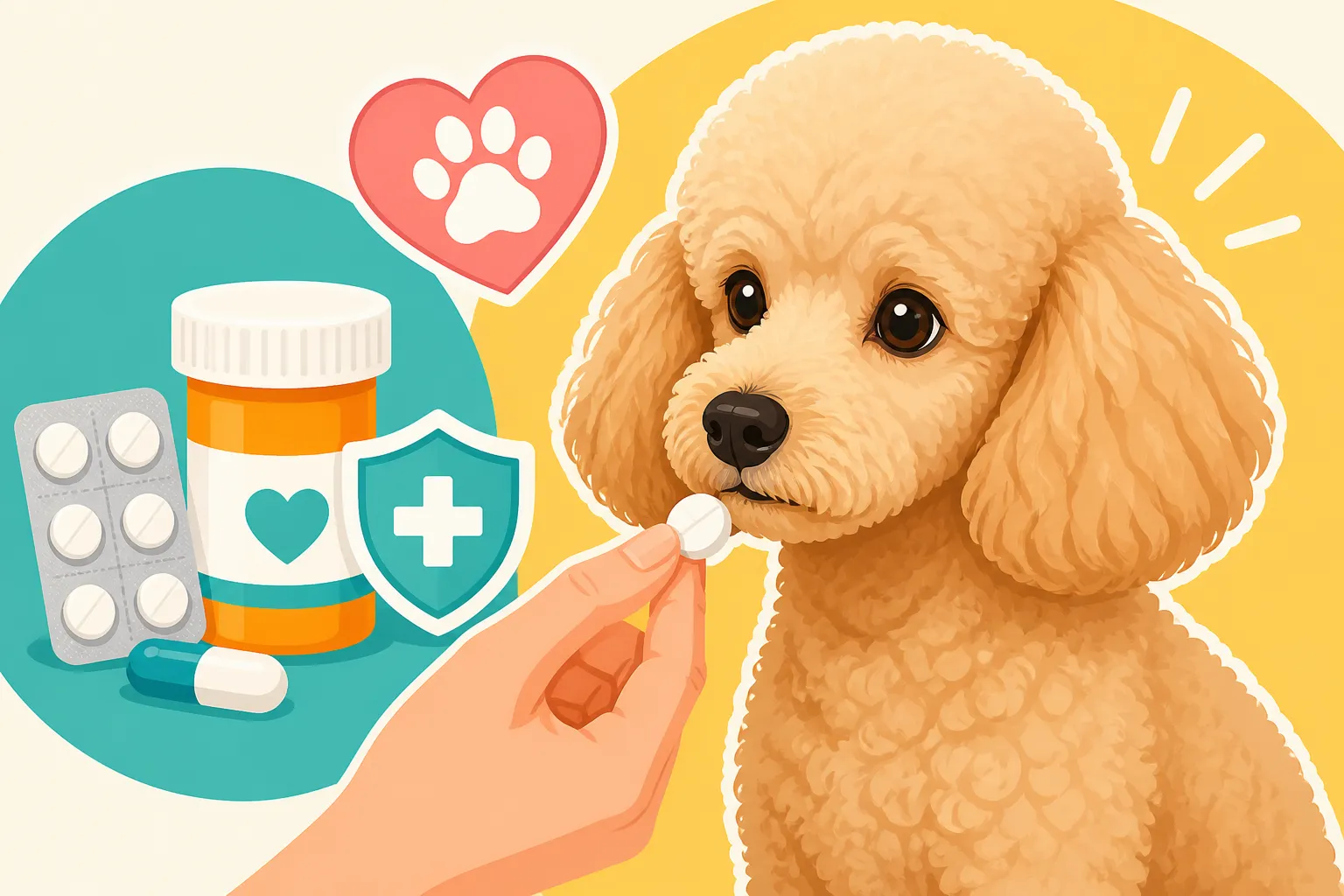
One of the most common and effective methods is to hide the pill in a highly palatable treat. Think soft, malleable foods like peanut butter (ensure it's xylitol-free!), cheese, cream cheese, or a small piece of cooked meat. Commercial options like Greenies Pill Pockets are designed specifically for this purpose and come in various flavors and sizes. For liquid medications, you might mix them into a small amount of wet food that your Poodle adores, or for direct administration, use an oral syringe. If using a syringe, aim for the side of their mouth, behind a canine tooth, and administer slowly to prevent aspiration. Always follow up with praise and a favorite, unmedicated treat to create a positive association.
Before you consider crushing pills, always check with your veterinarian first. Some medications are extended-release or coated, and crushing them can alter their effectiveness or lead to stomach upset. If crushing is safe, you can mix the powder with a small amount of liquid (like broth or water) or a very appealing food item. Establishing a consistent routine is key; Poodles thrive on predictability. Try to give medication at the same time each day, perhaps after their morning walk or before breakfast, so it becomes a natural part of their daily rhythm. Consistency isn't just for you; it helps your Poodle anticipate and accept the process more readily, turning a potentially stressful event into a manageable ritual.
Storing and Refilling Prescriptions
Proper management of your Poodle's medication goes beyond just giving the daily dose; it includes careful storage and proactive refilling. Medications often come with specific storage instructions, such as keeping them at room temperature, refrigerated, or away from direct light. It's vital to adhere to these guidelines to maintain their efficacy. Always store medications in a secure location, out of reach of children and other pets, to prevent accidental ingestion, which can be extremely dangerous.
One of the biggest pitfalls for owners of medicated pets is running out of refills. It's never a good idea to wait until the last minute, especially for crucial medications that cannot be stopped abruptly, such as those for Addison's or epilepsy. Many veterinary clinics require a day or two to process refill requests, and if using an online pharmacy, shipping times need to be factored in. Reputable online pharmacies, such as Chewy's pet pharmacy, can offer convenience and cost savings, but always ensure your veterinarian approves the prescription and that you're ordering from a trusted source. Remember to allow ample time for vet verification, which can sometimes take a few extra days.
Keeping a detailed log of medication administration, including the date, time, dosage, and any observed reactions, can be incredibly helpful. This is especially true for conditions like epilepsy where tracking seizure frequency is crucial, or for Addison's disease where subtle changes might indicate a need for dosage adjustment. When traveling, always ensure you have more than enough medication for the entire trip, along with a copy of your Poodle's prescription and a letter from your vet explaining their condition and medication needs. This can be invaluable if you need to seek veterinary care on the road or encounter issues with travel restrictions.
Financial Realities: Budgeting for a Medicated Poodle
The financial aspect of caring for a Poodle with daily medication is often a significant concern, and it's something every prospective owner should realistically consider. Medication costs can add up quickly, and understanding these expenses upfront can help prevent financial strain down the line. It's not just the cost of the pills themselves, but also the associated veterinary visits, diagnostic tests, and potential emergency care that can contribute to the overall expense.
Estimating Medication Costs
The cost of daily medication for a Poodle varies dramatically depending on the specific condition, the size of your Poodle (larger dogs often need higher dosages), and whether a generic or brand-name drug is used. For example, managing hypothyroidism with generic levothyroxine can be relatively inexpensive, perhaps $10-$30 per month. However, a Poodle with Addison's disease might require monthly DOCP injections, which can run into several hundred dollars per dose, plus daily prednisone, making it one of the more costly chronic conditions to manage. Anti-seizure medications for epilepsy can also range from affordable generics to more expensive newer drugs.
Compounded medications, which are custom-prepared by a pharmacy to meet specific dosage or flavor requirements, can also impact costs. While often necessary for pets who are difficult to pill, they can sometimes be more expensive than standard formulations. It's always a good idea to discuss generic alternatives with your veterinarian, as these often contain the same active ingredients but at a fraction of the cost. Asking your vet for an estimate of monthly medication costs before committing to a Poodle with a chronic condition is a crucial step in preparing your budget.
Here’s a rough idea of what some common Poodle medications might cost monthly, though these are just estimates and can vary widely by location and pharmacy:
| Condition | Typical Medication | Estimated Monthly Cost (USD) |
|---|---|---|
| Hypothyroidism | Levothyroxine (generic) | $10 – $30 |
| Epilepsy | Phenobarbital (generic) | $20 – $70 |
| Allergies (moderate) | Apoquel (brand name) | $60 – $150+ |
| Arthritis (chronic pain) | Carprofen (generic NSAID) | $20 – $80 |
| Addison's Disease | Prednisone + Percorten-V (DOCP) | $200 – $500+ |
Remember, these estimates don't include the cost of initial diagnostic tests, follow-up bloodwork, or vet consultation fees, all of which are essential for proper management.
Pet Insurance and Financial Aid Options
When considering the financial burden, pet insurance often comes up. However, it's crucial to understand a significant limitation: pet insurance typically does not cover pre-existing conditions. If you're taking on a Poodle who has already been diagnosed and requires daily medication, that condition will almost certainly be excluded from coverage. This is a common and understandable frustration for many owners.
That said, if you enroll your Poodle in a pet insurance plan before any diagnoses, and a chronic condition requiring daily medication develops later, that new condition would likely be covered. Providers like Healthy Paws, Nationwide, or Trupanion offer various plans, but always, always read the fine print regarding pre-existing conditions and waiting periods. Even with a pre-existing condition, some policies might cover new unrelated conditions that arise, so it's worth investigating if only for future unexpected illnesses or injuries. Saving ahead for a financial buffer is always a wise strategy, much like preparing for a potential emergency, such as Saving Against a Standard Poodle Bloat Bill.
If the costs become overwhelming, there are financial aid resources available. Organizations like The Pet Fund, RedRover, or your local humane society might offer assistance for veterinary bills. Some breed-specific Poodle rescues also have funds set aside to help owners with medical expenses. Don't hesitate to talk to your veterinarian about payment plans or prescription assistance programs. Sometimes, pharmaceutical companies offer discounts or rebates. It's about exploring every avenue to ensure your Poodle gets the care they need without breaking your bank.
Integrating Medical Care into Daily Life
Bringing a medicated Poodle into your home is a holistic endeavor. It’s not just about the pills or the costs; it’s about nurturing their overall well-being and seamlessly blending their medical needs into a life filled with joy, exercise, and mental stimulation. This requires a strong partnership with your veterinarian and a deep understanding of your Poodle's individual needs.
Working with Your Veterinarian
Your veterinarian is your most crucial partner in managing a medicated Poodle. Open, honest communication is paramount. Don't be afraid to voice your concerns, ask questions, or admit if you're struggling with administering medication or remembering doses. They are there to support you and your Poodle. For chronic conditions, regular check-ups and follow-up bloodwork are typically required to monitor the condition, assess the effectiveness of the medication, and adjust dosages as needed. For instance, Poodles on thyroid medication need periodic blood tests to ensure their hormone levels are stable.
Keeping meticulous records of all vet visits, diagnostic results, and medication instructions will be invaluable. This documentation helps you track progress, understand the disease's trajectory, and provides critical information if you ever need to consult a specialist or seek emergency care. If your Poodle's condition is particularly complex or not responding well to standard treatment, your vet might recommend consulting a specialist, such as a veterinary internal medicine specialist, neurologist, or dermatologist. These experts can offer advanced diagnostics and treatment plans. Remember, you are your Poodle's primary advocate. If something doesn't feel right, or you have persistent questions, don't hesitate to ask for clarification or even a second opinion.
Maintaining Quality of Life for Your Poodle
Beyond the medications, maintaining a high quality of life for your Poodle involves attention to all aspects of their care. This means providing a balanced, nutritious diet, appropriate daily exercise for their size and energy level, and plenty of mental stimulation to keep their intelligent minds engaged. For Poodles with certain conditions, like allergies or sebaceous adenitis, consistent grooming is especially important. Regularly brushing out their dense, curly coats and maintaining a clean clip can prevent skin infections and discomfort.
Learning to observe and interpret your Poodle's subtle cues is critical, especially since Poodles, like many dogs, can be quite stoic and hide discomfort. They may not cry out in pain, but changes in appetite, activity level, sleeping patterns, or even a slight shift in their usual demeanor can signal that something is amiss. Learning to read Reading Pain in a Sensitive Poodle and understanding Why a Sensitive Poodle Hides Illness are invaluable skills for any Poodle owner, but especially for those with medicated companions. Their overall comfort is always the goal.
Adaptation is key. If your Poodle has arthritis, consider ramps for accessing furniture or the car. If they have epilepsy, strive for a consistent, low-stress environment. A Poodle needing daily medication is still very much a Poodle – a loving, intelligent, and often playful companion who deserves all the joy and comfort you can provide. Your dedication to their ongoing care, both medical and emotional, will strengthen your bond and ensure they live a full, happy life as a cherished member of your family.
Disclaimer
This article is intended for informational purposes only and does not constitute medical advice. Always consult with a qualified veterinarian for any health concerns or before making any decisions about your Poodle's medical care or treatment plan.